Tuck Crunch
The Tuck Crunch is a bodyweight core exercise that trains controlled bending of the torso and hips to strengthen the midsection.
Tuck Crunch
Muscles Worked: Tuck Crunch
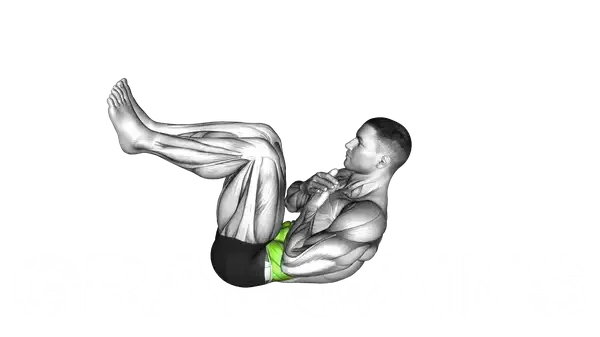
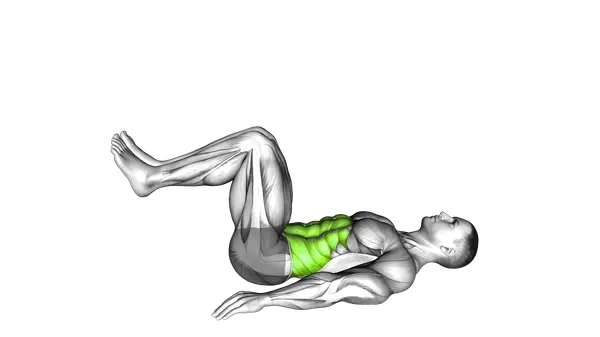
The tuck crunch mainly works your abs, especially the front of your midsection that curls your ribs toward your hips. In this move, your abs do double duty: they lift your upper body slightly and pull your knees in, which makes the middle of each rep feel harder than a basic crunch. Your deep core also helps keep your lower back from over-arching as your legs move. If you do it well, you should feel a strong squeeze through the front of your stomach instead of tension building in your neck.
Built for progress
Take the guesswork out of training
Get a personalized workout plan built around your goal, equipment and schedule. Train smarter, track every rep and keep moving forward, one workout at a time.






Technique and form
How to perform the Tuck Crunch
- Lie on your back on a mat with your knees bent at a 90-degree angle and your feet flat on the floor.
- Place your hands lightly behind your head with your elbows pointing outward, keeping your neck in a neutral position.
- Engage your core muscles by drawing your navel toward your spine and maintain this tension throughout the exercise.
- Exhale as you lift your shoulders, upper back, and head off the floor while simultaneously bringing your knees toward your chest.
- As you crunch upward, lift your feet off the floor and pull your knees toward your chest, creating a "tuck" position where your thighs approach your torso.
- At the top of the movement, your mid-back should be off the floor with your knees drawn in close to your chest; hold this contracted position briefly.
- Inhale as you slowly lower your shoulders and extend your legs back to the starting position, but keep your feet elevated slightly off the floor to maintain core tension.
- Control the descent and maintain activation in your abdominals throughout the entire range of motion, avoiding momentum.
Important information
- Keep your movements slow and controlled, focusing on the contraction of your abdominal muscles rather than the distance traveled.
- Avoid pulling on your neck with your hands; your hands should merely support your head, not create the lifting force.
- Maintain a neutral spine position throughout the exercise to protect your lower back from strain.
- If you experience lower back pain, modify by keeping your feet on the floor and performing a regular crunch until your core strength improves.
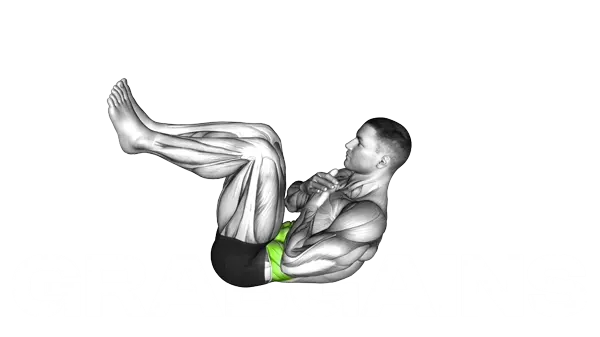
Is the Tuck Crunch good for muscle growth?
Yes, the Tuck Crunch can help build your abs, especially if you make the set hard by using clean reps, pauses, and enough total volume. Research on hard resistance-style training shows that challenging effort is tied to the kind of muscle-building changes you want over time, which is why easy, rushed crunches usually stop working fast.
- Big squeeze in a short range — The hardest part of the tuck crunch is when your ribs and knees come together. That strong peak squeeze gives your abs a clear job every rep, which is useful if you struggle to feel them during bigger movements.
- More demanding than a basic crunch — Bringing your legs in makes your abs work harder than a Crunch Floor because they have to control both your torso and your lower body. That usually means fewer sloppy reps and better tension where you want it.
- Easy to progress without equipment — You can slow the lowering phase, pause in the tucked position, or add reps before you ever need external load. That makes progressive overload possible even with a bodyweight-only ab exercise.
- Low fatigue, easy to place in a workout — The tuck crunch trains your midsection without draining you like heavy compound lifts. That makes it a smart add-on after lower-body days or alongside a movement like the Reverse Crunch if you want more total ab work.
Programming for muscle growth
Do 3-4 sets of 10-20 reps with 30-60 seconds rest, 2-4 times per week. Use a rep range wide enough to keep tension high while still controlling the top and bottom of each rep. If 20 clean reps feels easy, slow the lowering part to 2-3 seconds and pause for 1 second in the tucked position before adding more total sets.
Tuck Crunch Variations
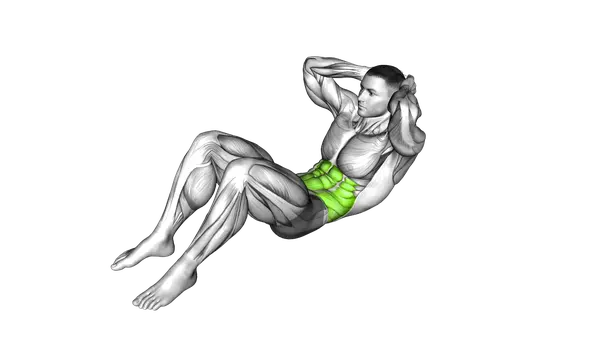
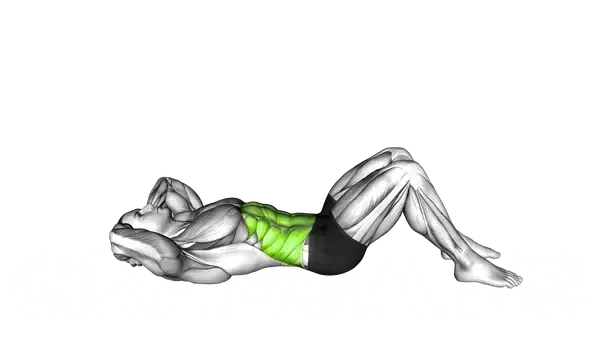
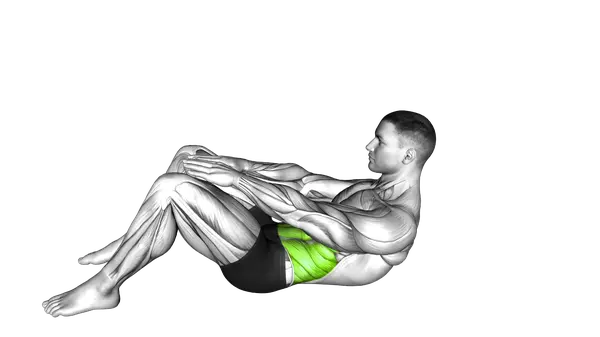
Alternative Exercises
FAQ - Tuck Crunch
The Tuck Crunch primarily targets the rectus abdominis (both upper and lower portions), while also engaging the hip flexors and obliques as secondary muscles. This dual activation of upper and lower abs creates more comprehensive core development than standard crunches.
Beginners can perform the movement with bent knees instead of fully tucked legs, while advanced exercisers can add resistance by holding a medicine ball or dumbbell to their chest. For an intense variation, try extending your legs fully between each repetition to increase time under tension.
The most common mistakes include pulling on your neck instead of engaging your core, rushing through repetitions, and using momentum rather than controlled muscle contraction. Focus on keeping your lower back pressed into the mat throughout the movement and exhaling during the contraction phase.
Include Tuck Crunches 2-3 times weekly with at least 24 hours between sessions to allow for adequate recovery. You can perform 2-3 sets of 10-15 repetitions for muscle development, or incorporate them into HIIT circuits for 30-45 second intervals to enhance metabolic conditioning.
While Tuck Crunches are generally safe, those with existing lower back conditions should approach with caution or consult a healthcare provider first. Maintain proper form by keeping your lower back pressed into the floor throughout the movement, and stop immediately if you feel any sharp pain rather than muscle fatigue.
Tuck Crunch
Thank you for your feedback!
Thank you for your feedback!