Back

Exercise

Push-up plank with alternating arm and leg lifts

Push-up plank with alternating arm and leg lifts
Add to Workout

Push-up plank with alternating arm and leg lifts

Build

How to Perform

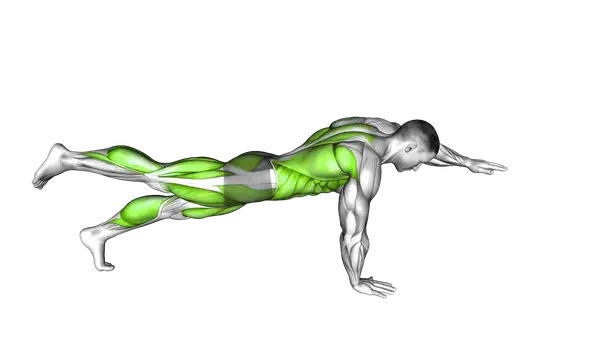
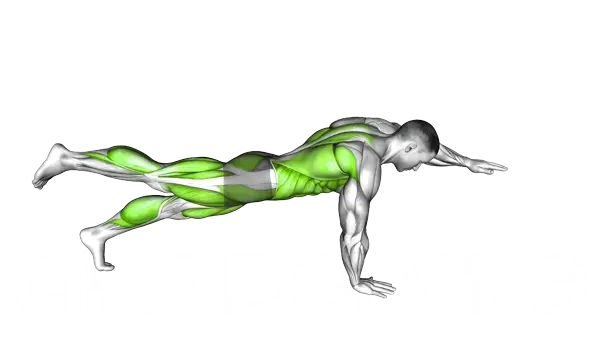
  1. Begin in a standard push-up position with your hands placed slightly wider than shoulder-width apart, arms extended, and body forming a straight line from head to heels.
  2. Engage your core muscles by drawing your navel toward your spine while maintaining a neutral back position throughout the exercise.
  3. Raise your right arm straight out in front of you while simultaneously lifting your left leg off the ground, keeping both limbs parallel to the floor. Exhale as you lift.
  4. Hold this position for 1-2 seconds, focusing on maintaining balance and keeping your hips square to the ground without rotating your torso.
  5. Return your right arm and left leg to the starting position while inhaling, ensuring your movements are controlled and deliberate.
  6. Repeat the movement with your left arm and right leg, extending them in a straight line while maintaining core stability. Exhale during the lift.
  7. Continue alternating sides in a slow, controlled manner, focusing on stability rather than speed.
  8. Complete your desired number of repetitions, making sure to perform an equal number on each side.

Important information

  • Keep your shoulders directly over your wrists and avoid letting your hips sag or pike up during the exercise.
  • If you feel strain in your lower back, slightly tuck your pelvis under to maintain a neutral spine position.
  • Start with shorter hold times (1-2 seconds) and progress to longer holds (3-5 seconds) as your stability improves.
  • For beginners, try mastering the standard plank position before progressing to this exercise.

Exercise Details

Primary Muscles

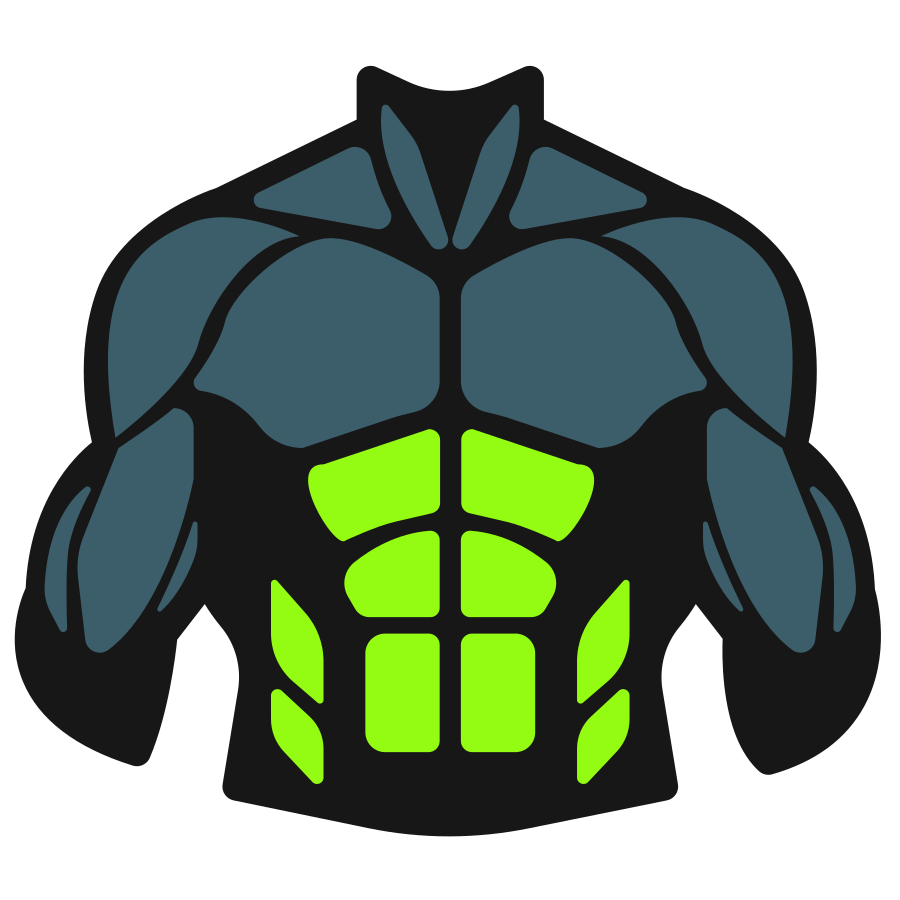
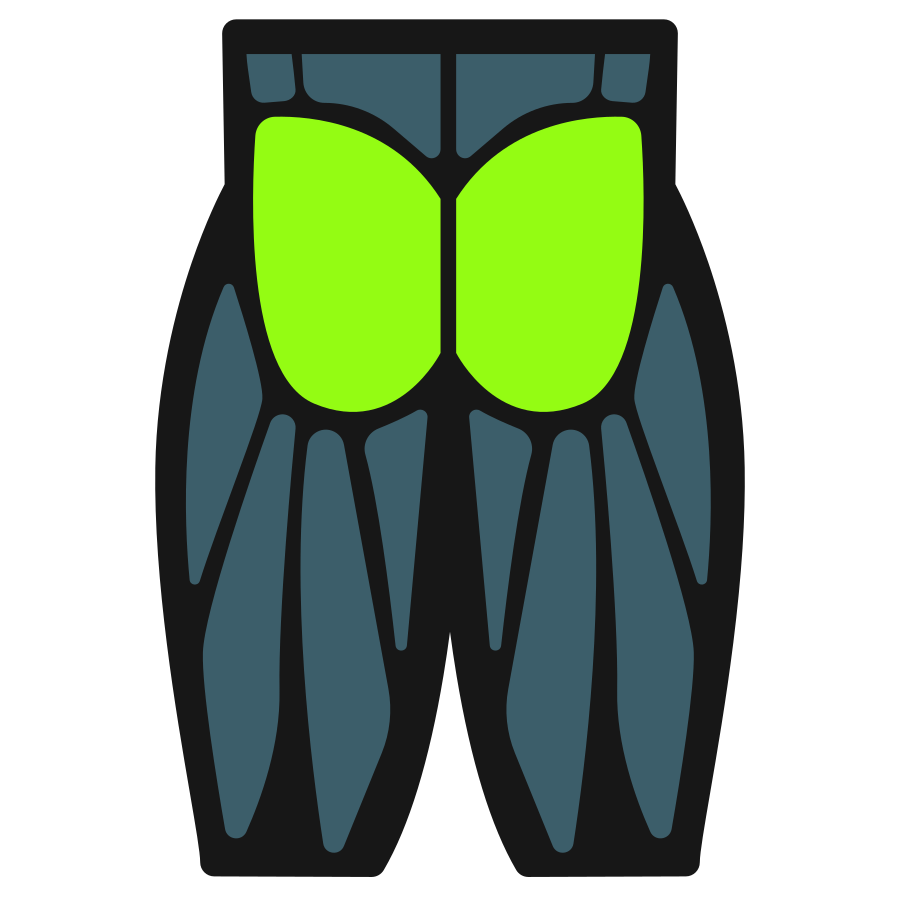
Abs Glutes

Muscle Groups

Ab exercises Glute exercises

Mechanic

Compound

Risk Areas

Abs Glutes

Built for progress

Take the guesswork out of training

Create personalized AI-powered workout plans that evolve with you. Train smarter, track every rep and keep moving forward, one workout at a time.

Be among the first to join!
GrabGains workout plans

The push-up plank with alternating arm and leg lifts represents one of the most comprehensive core challenges in the fitness world, simultaneously engaging multiple muscle groups while testing your stability and coordination. This advanced movement elevates traditional planking by incorporating dynamic limb movements that force your core to work overtime, particularly targeting your abs and glutes while secondary muscles act as crucial stabilizers. When you incorporate this exercise into your routine, you're essentially performing multiple exercises at once: combining the anti-rotational benefits of planks with the destabilizing effect of limb movement, creating an intense core engagement that static exercises simply can't match. The constant fight against rotation as you lift opposing limbs forces your deep transverse abdominis and obliques to fire continuously, while your glutes activate powerfully to maintain proper hip position throughout the movement. This versatile exercise finds its home across multiple training modalities. 

HIIT enthusiasts appreciate how it elevates heart rate while building functional strength, CrossFit athletes value its scalability and core-strengthening benefits, and bodybuilders recognize its ability to develop detailed abdominal definition and enhance overall core aesthetics. The beauty lies in its adaptability: the intensity can be modified through tempo changes, hold durations, or by adding resistance bands. What makes this movement truly exceptional is how it enhances core function beyond mere appearance. Your core serves as your body's power center, transferring force between upper and lower body while protecting your spine. 

By strengthening these connections through complex movements like the push-up plank with alternating limb lifts, you're building a resilient foundation that translates to improved performance across all physical activities, from daily movements to specialized athletic endeavors. For those willing to embrace the challenge, this exercise delivers remarkable returns: not just in core strength and definition, but in total-body stability, improved posture, and enhanced movement efficiency that will serve you well in any fitness pursuit you choose to undertake.

FAQ - Push-up plank with alternating arm and leg lifts

What muscles does the push-up plank with alternating arm and leg lifts target?

This exercise primarily targets your core muscles including the transverse abdominis, rectus abdominis, and obliques. It also engages your shoulders, chest, glutes, hamstrings, and lower back as stabilizers, making it a comprehensive full-body movement.

How can I modify this exercise if I'm a beginner?

Beginners can start with a partial squat depth and press lighter weights or no weights at all. You can also separate the movements initially, mastering the squat first, then the overhead press, before combining them into one fluid motion.

What are the most common form mistakes to avoid?

The most common mistakes include rounding your lower back, rotating your hips instead of keeping them square, rushing through the movement, and not hinging properly at the hips. Focus on maintaining a neutral spine, moving with control, and keeping your standing knee slightly soft rather than locked.

How often should I include this exercise in my routine?

You can safely perform this exercise 3-4 times weekly, either as part of your warm-up or cool-down routine. It's particularly beneficial after intense upper body training sessions or on recovery days to maintain shoulder health and function.

Can I make this exercise more challenging for advanced fitness levels?

Advanced exercisers can increase difficulty by adding a resistance band around the ankles, incorporating a tempo change with longer holds, performing the movement on an unstable surface like a BOSU ball, or adding a push-up between each alternating lift sequence.

Alternative Exercises

Lying Hip Lift (On Stability Ball)

Lying Hip Lift (On Stability Ball)

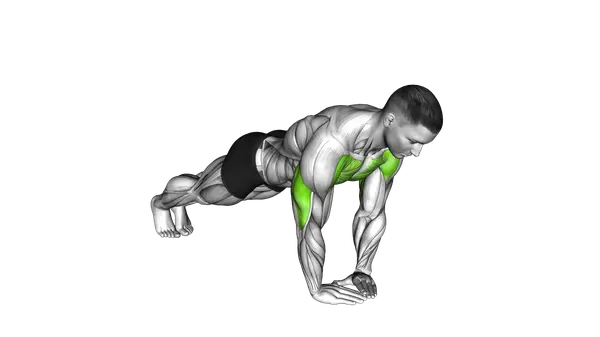
The Lying Hip Lift on a stability ball offers a challenging intermediate-level movement that effectively targets multiple muscle groups simultaneously. This exercise primarily engages your glutes and hamstrings while requiring significant core activation to maintain proper positioning throughout the movement. The unstable nature of the stability ball intensifies the workout, forcing your body to recruit additional stabilizer muscles that might remain dormant during similar exercises performed on stable surfaces. Popular among bodybuilders for its ability to sculpt and define the posterior chain, this exercise also serves as an excellent rehabilitation option for those recovering from lower back injuries when performed with proper form and appropriate resistance. The controlled movement pattern helps strengthen the muscles supporting the spine without placing excessive stress on the vertebral column itself. The beauty of the Lying Hip Lift lies in its versatility - it can be seamlessly incorporated into strength-focused routines or core-centric workouts depending on your specific fitness goals. By adjusting foot positioning and range of motion, you can shift emphasis between different muscle groups while maintaining the overall benefits of the exercise. Many fitness enthusiasts appreciate how this movement creates a mind-muscle connection with the glutes that's difficult to achieve with other exercises. As you progress with this exercise, you'll likely notice improvements in hip mobility, core stability, and overall lower body strength. These adaptations translate well to everyday movements and athletic performance. The exercise promotes balanced muscular development, addressing common imbalances caused by prolonged sitting and sedentary lifestyles that can lead to lower back pain and reduced athletic performance. Remember that while the stability ball adds an element of challenge, it also requires greater body awareness and control. This mindfulness aspect makes the Lying Hip Lift not just a physical exercise but also an opportunity to develop greater proprioception and kinesthetic awareness - valuable attributes for both serious athletes and fitness enthusiasts alike.

Strength
Core
Bodybuilding
Recovery
Stability ball
Single Leg Bridge With Outstretched Leg

Single Leg Bridge With Outstretched Leg

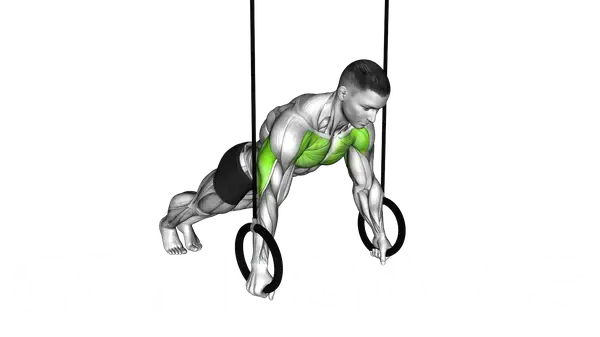
The Single Leg Bridge With Outstretched Leg stands as a remarkable intermediate-level exercise that simultaneously targets multiple crucial muscle groups, primarily the glutes, hamstrings, and abdominals. This versatile movement has gained popularity among both bodybuilding enthusiasts looking to sculpt defined posterior chains and individuals in recovery phases seeking controlled, effective rehabilitation options. When incorporated into a consistent training regimen, this exercise delivers exceptional benefits for strength development, particularly in the posterior chain, while simultaneously challenging your core stability. The unilateral nature of the movement—working one leg at a time—creates an additional stabilization demand that conventional bilateral bridges simply cannot match, making it particularly effective for identifying and addressing muscle imbalances between your left and right sides. The beauty of the Single Leg Bridge With Outstretched Leg lies in its ability to intensify glute activation without requiring external weights. By extending one leg, you're essentially increasing the leverage demand on the working side, forcing those glutes and hamstrings to generate significantly more force than they would during standard bridge variations. Meanwhile, your core musculature works overtime to maintain proper pelvic positioning and prevent rotation—a challenge that translates to improved functional strength in everyday movements and athletic performance. For those focused on aesthetic bodybuilding goals, this exercise helps develop the rounded, lifted appearance of the glutes while simultaneously defining the hamstrings. From a recovery perspective, the controlled nature of the movement makes it ideal for rebuilding strength following lower body injuries, particularly those affecting the knee or ankle, as it minimizes joint stress while maximizing muscle engagement. The exercise serves as an excellent progression from basic glute bridges but doesn't require the equipment demands of weighted hip thrusts, making it accessible in virtually any training environment. Whether you're looking to enhance athletic performance, improve posterior chain aesthetics, or build foundational strength, the Single Leg Bridge With Outstretched Leg delivers impressive results when performed with proper form and consistency.

Strength
Core
Bodybuilding
Recovery
Bodyweight exercises
Rear Decline Bridge

Rear Decline Bridge

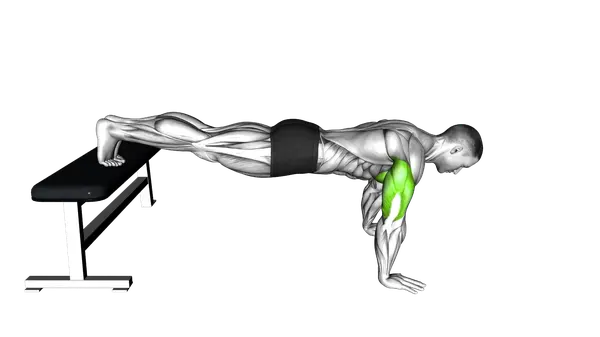
The Rear Decline Bridge stands as a powerful intermediate-level movement that specifically targets your posterior chain, particularly the glutes and hamstrings. This bodyweight exercise requires minimal equipment yet delivers maximum activation of these crucial muscle groups that often get neglected in standard fitness routines. When incorporated into your bodybuilding regimen, the Rear Decline Bridge helps develop that coveted posterior aesthetic while simultaneously supporting recovery processes. The beauty of this exercise lies in its versatility—it can serve as an active recovery tool between more intense training days or as a finisher to really ignite that muscle-building stimulus when performed to fatigue. What makes the Rear Decline Bridge particularly valuable is its dual function as both a strength and core developer. While your glutes and hamstrings work as primary movers, your entire core musculature engages as stabilizers, creating that coveted mind-muscle connection that's essential for progressive development. The elevated position intensifies the challenge to your posterior chain compared to standard bridges, forcing these muscles to work harder against gravity. Many fitness enthusiasts overlook the Rear Decline Bridge, gravitating instead toward machine-based alternatives. However, this exercise offers functional benefits that translate directly to improved athletic performance and everyday movement patterns. The controlled nature of this bridge variation helps enhance proprioception and body awareness while strengthening the muscles that support proper posture and spinal alignment. For those experiencing lower back issues, this exercise can be particularly beneficial as it strengthens the supporting musculature without placing direct stress on the spine itself. The Rear Decline Bridge exemplifies the principle that sometimes the most effective exercises aren't necessarily the most complex—this straightforward movement delivers impressive results when performed consistently with proper form and progressive overload.

Strength
Core
Bodybuilding
Recovery
Bodyweight exercises
Pelvic Tilt Into Bridge

Pelvic Tilt Into Bridge

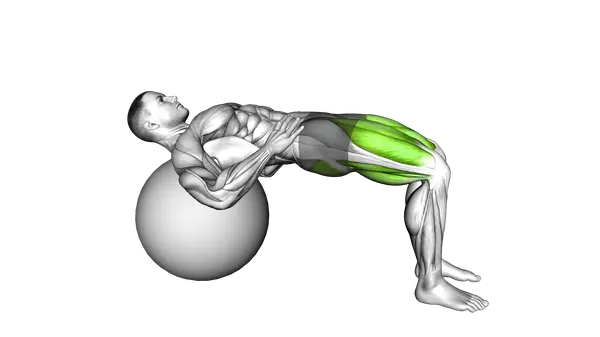
The Pelvic Tilt Into Bridge is a foundational movement that serves as an excellent starting point for beginners looking to strengthen their posterior chain while developing core awareness. This gentle yet effective exercise primarily targets the glutes and abdominal muscles, creating a solid foundation for more advanced strength training movements. When incorporated into your fitness routine, this exercise functions beautifully as either a warm-up to activate key muscles before more intense training or as a recovery element during cool-down phases. The controlled nature of the movement allows you to establish a mind-muscle connection while gradually increasing blood flow to the working muscles. What makes the Pelvic Tilt Into Bridge particularly valuable is its dual focus on strength and mobility. As you transition from the subtle pelvic tilt into the more demanding bridge position, you're not only building functional strength in your glutes and core but also improving hip mobility – an often overlooked aspect of fitness that affects everything from your posture to athletic performance. The exercise represents a perfect balance between therapeutic movement and strength development. Your core musculature learns to stabilize your spine in various positions, which translates to better posture and reduced lower back discomfort in daily activities. Meanwhile, the glute engagement helps counter the negative effects of prolonged sitting that many experience in modern life. For those new to fitness, the Pelvic Tilt Into Bridge provides a safe introduction to posterior chain activation without the intimidation factor of more complex movements. As your body adapts, this exercise can become progressively more challenging through increased repetitions or hold times, making it a versatile addition to any fitness regimen focused on building foundational strength and mobility while supporting overall physical wellness.

Strength
Mobility
Core
Recovery
Cool-down
+1
Bodyweight exercises