Exercise alternatives

Hip Thrust Alternatives: 6 Exercises for Stronger Glutes

The best hip thrust alternatives keep loaded hip extension as the main action and the glutes as the limiting muscle. A substitute is useful when the barbell and bench setup is impractical, when the bar is uncomfortable across the hips, or when training takes place at home. The closest options keep the bench-supported thrust, while hinges, squats, and split squats train the glutes through a different movement.

Published:

What makes a good substitute

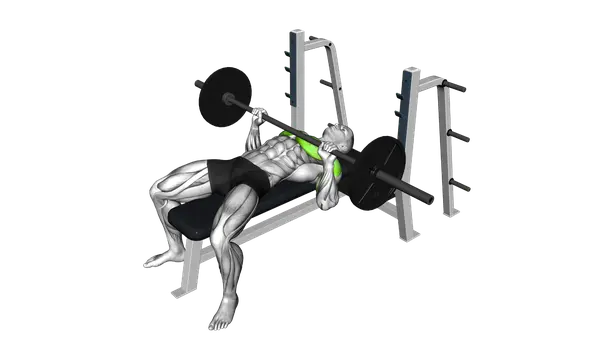
The barbell hip thrust loads hip extension with the upper back supported on a bench and the knees bent. Because the knees stay bent, the hamstrings work from a shortened position and the glutes drive most of the movement. Gluteus maximus and hamstring activity in the hip thrust is highest at the top of the movement, where the hips are fully extended [3].

A close substitute keeps three features: hip extension as the primary joint action, limited knee extension so the quadriceps do not take over, and a load that can be increased progressively. Hinges and squats load the glutes hardest in the stretched position at the bottom instead of at lockout, which changes the strength curve but not the target muscle.

Higher activation does not automatically mean more growth. In a nine-week trial in untrained adults, the hip thrust produced higher glute EMG than the back squat, yet both exercises led to similar gluteal hypertrophy [1]. Movement similarity, loading potential, and practical setup therefore matter as much as activation data when choosing a replacement.
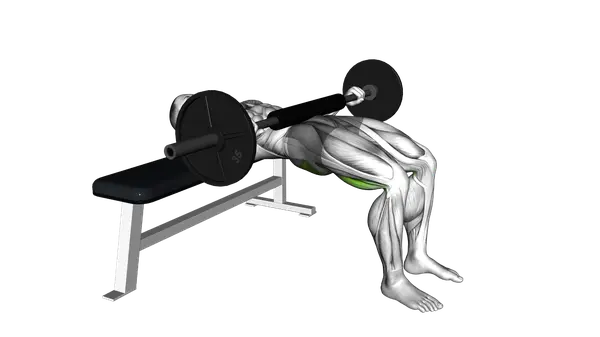
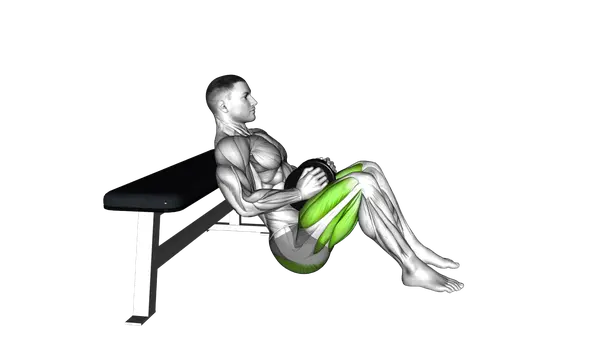
Barbell Hip Thrust

Best Barbell Hip Thrust alternatives

01 Dumbbell Hip Thrust

Dumbbell Hip Thrust

Glutes · Dumbbell · Intermediate

Key difference

This is the same movement with a dumbbell resting on the hip crease instead of a barbell. Setup, range of motion, and glute emphasis are nearly identical, but the maximum load is limited by the heaviest available dumbbell and by how securely it sits on the hips.

When to choose it

Choose this when a barbell, plates, or a hip pad are not available, or when the working load is moderate enough for a single dumbbell. Performing it one leg at a time increases the load per side without requiring a heavier dumbbell.

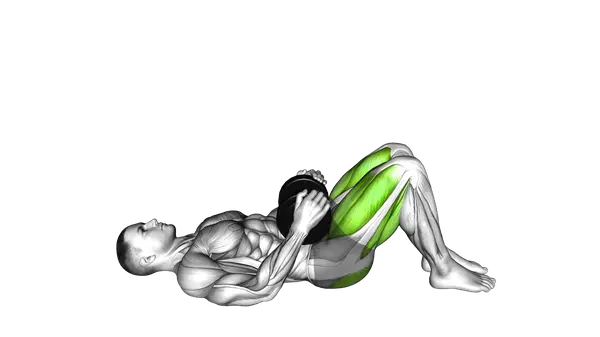
02 Dumbbell Glute Bridge

Dumbbell Glute Bridge

Glutes · Dumbbell · Beginner

Key difference

The glute bridge is performed with the shoulders on the floor instead of on a bench, so the hips start from the floor and travel through a shorter range of motion. In an EMG comparison of bridge and hip thrust variations, a conventional floor bridge produced lower gluteus maximus activity than a hip thrust with the upper back elevated [5].

When to choose it

Choose this when no bench is available, for beginners learning to extend the hips without arching the lower back, or for high-repetition sets at the end of a session. A one- to two-second pause at the top adds time under tension in the fully extended position, where the hip thrust is hardest.

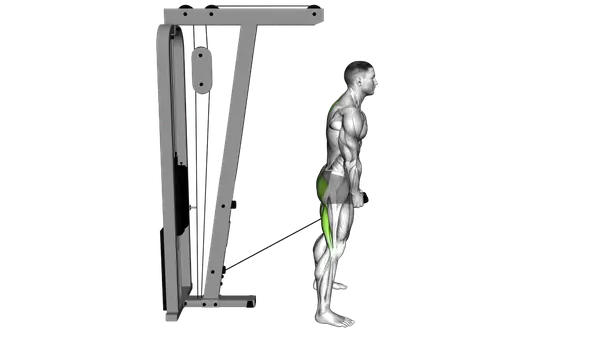
03 Cable Pull Through

Cable Pull Through

Glutes, Hamstrings · Cable · Beginner

Key difference

The pull-through is a standing hip hinge with a rope attached to a low pulley between the legs. Because the cable pulls backward rather than straight down, tension stays on the hips near lockout, which resembles the hip thrust more closely than a free-weight hinge does. Compared with the Romanian deadlift at the same relative load, it produced lower activity in the lumbar extensors and hamstrings [4].

When to choose it

Choose this for standing glute work with low spinal loading and a simple setup, or when a cable station is free but a bench and barbell are not. Heavy loads pull the body backward toward the weight stack, so it suits moderate loads and higher repetitions better than maximal strength work.

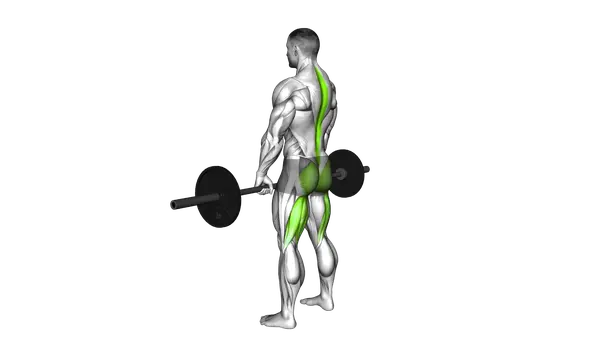
04 Barbell Romanian Deadlift

Barbell Romanian Deadlift

Hamstrings, Glutes · Barbell · Intermediate

Key difference

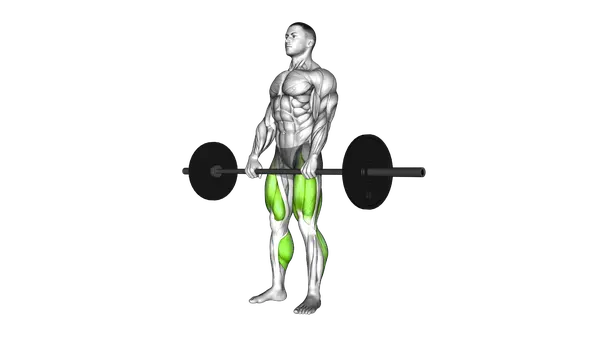
The Romanian deadlift trains hip extension through a hinge with nearly straight knees, so the glutes and hamstrings are loaded hardest in the stretched position at the bottom rather than at lockout. At maximal loads, gluteus maximus activity did not differ significantly from the barbell hip thrust, and both exercises isolated the hip extensors, while the back squat also activated the knee extensors [2].

When to choose it

Choose this when hamstring development matters as much as glute development, or when one exercise has to cover the whole posterior chain. It requires a neutral spine under load and places more demand on the lower back and grip than the hip thrust.

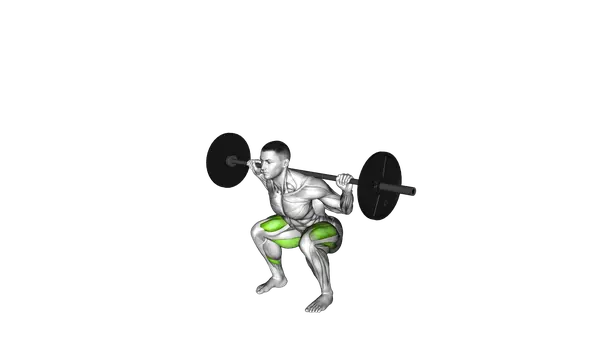
05 Barbell Squat

Barbell Squat

Quads, Glutes · Barbell · Intermediate

Key difference

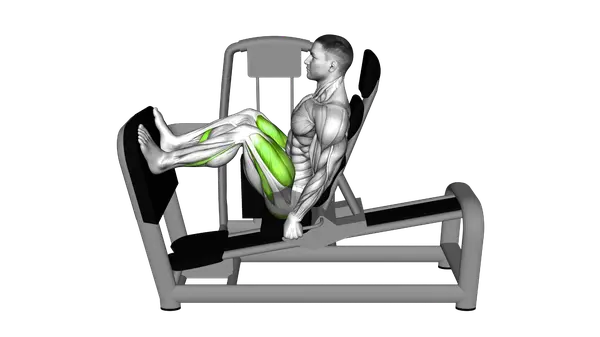
The back squat combines hip and knee extension, so the quadriceps and adductors share the work with the glutes. In a direct comparison, squat training produced gluteal growth similar to hip thrust training, with greater growth in the quadriceps and adductors and strength gains specific to the trained lift [1].

When to choose it

Choose this when one lift should develop the glutes and thighs together, or when the hip thrust setup is impractical in a crowded gym. Squatting through a full range of motion keeps the glutes working in their stretched position, which partial squats largely skip.

06 Bulgarian Split Squat

Bulgarian Split Squat

Quads, Glutes · Bodyweight exercises · Intermediate

Key difference

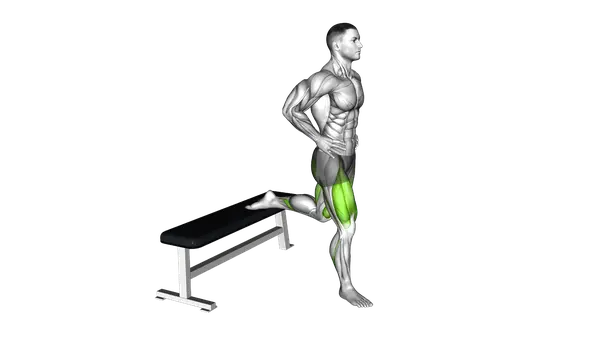
The Bulgarian split squat is a single-leg squat with the rear foot elevated on a bench. Glute and hamstring activity peaks at the bottom of the split squat and at the top of the hip thrust, and the split squat also involves the quadriceps more [3].

When to choose it

Choose this to train each leg independently, to address side-to-side strength differences, or when only dumbbells or body weight are available. Pairing it with a hip thrust or bridge variation covers both the stretched and the shortened end of the glute range, the combination recommended from the same EMG data [3].

Training at home

The dumbbell hip thrust, dumbbell glute bridge, and Bulgarian split squat all work at home with one or two dumbbells, and a sturdy couch or bench can support the upper back or the rear foot. Without dumbbells, single-leg bridges and slow bodyweight split squats provide enough resistance for beginners, and a resistance band looped across the hips adds load to bridges and thrusts.

The Bottom Line

The dumbbell hip thrust is the closest substitute because it keeps the exact movement and only changes the implement. The dumbbell glute bridge is the simplest option without a bench, and the cable pull-through suits standing glute work with low spinal loading. The Romanian deadlift, back squat, and Bulgarian split squat train the glutes through different movements, and the squat in particular produced glute growth similar to the hip thrust in a direct comparison [1]. Combining one thrust or bridge variation with a squat or hinge trains the glutes at both ends of the range of motion.

What is your fitness goal?

Pick one and the app builds your program around it, your equipment and the days you can train.

Free to download · 14 days of Pro

Good to know

Common Questions

What is the best alternative to the hip thrust?

The dumbbell hip thrust is the closest alternative because it uses the same bench setup, range of motion, and glute emphasis. Its main limitation is load, since a single dumbbell is lighter than a loaded barbell.

Is a glute bridge as effective as a hip thrust?

A glute bridge trains the same hip extension movement through a shorter range, because the hips start on the floor instead of below bench height. Glute activity is generally lower than in the hip thrust, so the bridge works best for beginners, high-repetition sets, or training without a bench.


Can squats replace hip thrusts for glute growth?

Research suggests they can. A nine-week study in untrained adults found similar glute growth from back squats and hip thrusts, with squats also building more quadriceps and adductor muscle. Strength gains were specific to the trained exercise, so each lift improved most in the group that performed it.

Scientific References

  1. [1]
  2. [2]
    Comparison Between Back Squat, Romanian Deadlift, and Barbell Hip Thrust for Leg and Hip Muscle Activities During Hip Extension.

    Delgado J, Drinkwater EJ, Banyard HG et al. · Journal of strength and conditioning research (2019)

  3. [3]
    Hip and Knee Extensor Activation During the Hip Thrust and Rear-Foot-Elevated Split Squat in Trained Females.

    McCurdy K, Walker J, Kelly C et al. · Journal of strength and conditioning research (2021)

  4. [4]
    A Comparison of Muscle Recruitment Across Three Straight-Legged, Hinge-Pattern Resistance Training Exercises.

    Dicus JR, Ellestad SH, Sheaffer JE et al. · International journal of exercise science (2023)

  5. [5]

Sources are peer-reviewed academic publications from PubMed.