Hip Thrust vs Glute Bridge: Which Builds Better Glutes?
Both exercises target your glutes directly by pushing your hips toward the ceiling. The hip thrust uses a bench and heavy barbell. The glute bridge is done on the floor with lighter weight. They're related but not identical — and understanding the difference helps you pick the right one.
Published: 2026-03-09
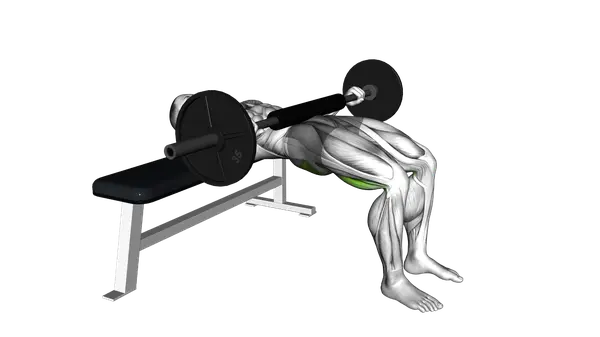
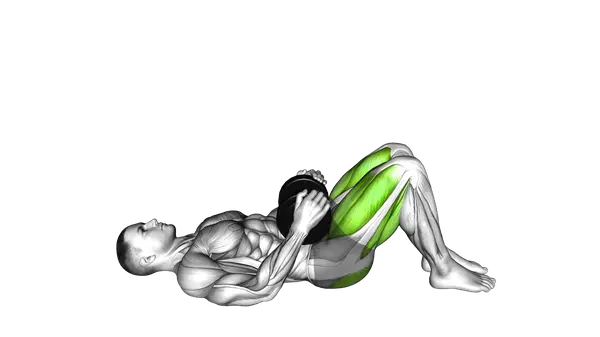
Range of motion is the key difference
The hip thrust starts with your upper back on a bench and your hips below bench height. You push up until your torso is flat. This creates a large range of motion for your glutes [1].
The glute bridge is done lying flat on the floor. You push your hips up, but the range of motion is shorter because the floor limits how far down you can go. Less range of motion generally means less muscle stimulus per rep.
How much weight can you use?
The barbell hip thrust is designed for heavy loading. Advanced lifters regularly hip thrust 150-200kg or more. The padded barbell sits across your hips and the bench provides a stable pivot point.
The glute bridge with a dumbbell is limited by how much weight you can comfortably balance on your hips without a bench for support. Most people top out around 30-40kg before it becomes awkward. This limits its muscle-building potential for strong lifters.
The setup factor
Let's be honest: setting up a barbell hip thrust is annoying. You need a bench at the right height, a barbell, plates, and probably a pad for your hips. Then you need to get into position, which can feel awkward especially in a busy gym.
Glute bridges are simple. Lie on the floor, put a dumbbell on your hips, and go. No bench, no barbell rolling, no awkward setup. For home workouts or quick sessions, the glute bridge wins on convenience.
Which one should beginners use?
Start with glute bridges. They teach you how to squeeze your glutes and control the hip extension movement in a position where it's hard to mess up. Learn to feel your glutes working before adding the complexity of a hip thrust setup.
Once bodyweight glute bridges become easy (you can do 20+ reps), graduate to hip thrusts for continued progress.
The Bottom Line
If you're serious about building your glutes, the barbell hip thrust is the better exercise. The increased range of motion and ability to load heavy makes it superior for muscle growth. Use the glute bridge as a beginner exercise, a warmup before hip thrusts, or a convenient alternative for home workouts.
What is your fitness goal?
Pick one and the app builds your program around it, your equipment and the days you can train.
At a Glance
Barbell Hip Thrust
Dumbbell Glute Bridge
Common Questions
How heavy should I hip thrust?
Most people can hip thrust significantly more than they squat. Don't be afraid to go heavy — 1.5 to 2x your body weight is a reasonable goal for intermediate lifters.
Do glute bridges do anything for advanced lifters?
Single-leg glute bridges are surprisingly challenging even for strong lifters and make a great warmup exercise. For building muscle, you'll want hip thrusts though.
Scientific References
Kennedy D, Casebolt JB, Farren GL et al. · Sports biomechanics (2024)
Krause Neto W, Krause TLV, Gama EF · Frontiers in physiology (2025)
Gołaś A, Pietraszewski P, Roczniok R et al. · Biology of sport (2024)
Sources are peer-reviewed academic publications from PubMed.
More Exercise Comparisons
Deadlift vs Romanian Deadlift: They're Not the Same Exercise
Front Squat vs Back Squat: Where Should the Bar Go?
Squat vs Bulgarian Split Squat: Which One Should You Prioritize?
Squat vs Leg Press: Do You Really Need Both?
Sumo Deadlift vs Conventional Deadlift: Which Style Is Right for You?
Leg Extensions vs Squats: Can a Machine Replace the King?