All Exercises

Chest exercises to build strength, control and upper-body stability

Chest exercises with bodyweight

Bodyweight chest exercises offer a simple yet highly effective way to build strength and muscular endurance without equipment. These movements rely on natural mechanics and full-body tension, making them accessible for beginners while still providing strong progression options for advanced athletes. Because bodyweight training emphasizes control, stability, and range of motion, it supports well-rounded upper-body development and can be performed anywhere.
Read more
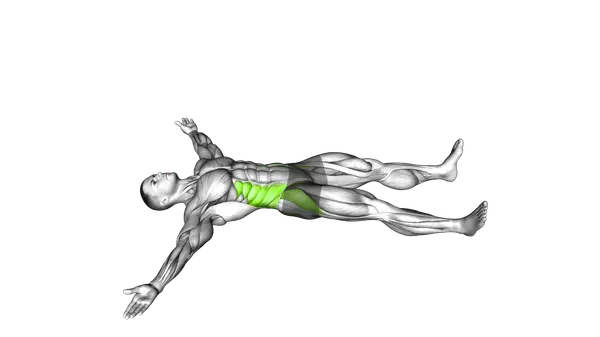
Back Pec Stretch

Back Pec Stretch

The Back Pec Stretch targets the pectoral muscles (chest) and anterior deltoids (front shoulders), providing essential relief for these commonly tight areas. This accessible stretch helps counteract the forward-hunched posture many of us develop from desk work, driving, or looking at mobile devices. By opening the chest and stretching the front of the shoulders, this movement helps restore natural alignment and improves overall upper body function. For those new to fitness, the Back Pec Stretch serves as an excellent introduction to upper body mobility work. It requires no equipment and can be modified to match any flexibility level. Beginners often experience immediate relief and a noticeable improvement in posture, making it a highly rewarding stretch for newcomers. The simplicity of this stretch also helps build body awareness – a fundamental skill for more advanced exercise progressions. This stretch primarily targets the pectoral major and minor muscles along with the anterior (front) deltoids. These muscle groups tend to become shortened and tight from daily activities like typing, driving, and even sleeping positions. Regular stretching of these areas helps maintain chest flexibility, shoulder mobility, and can potentially reduce upper back and neck tension that stems from chronically tight pecs and front shoulders. The Back Pec Stretch proves versatile enough for multiple phases of your workout routine. During warm-ups, it helps prepare the upper body for movements requiring shoulder mobility. As part of a cool-down, it assists in releasing tension built during chest or push exercises. For recovery days, this stretch promotes blood flow to healing tissues and maintains flexibility between training sessions. As both a stretching and mobility exercise, the Back Pec Stretch contributes to better movement patterns throughout daily life and during other exercises. Regular practice improves thoracic extension, enables better overhead reaching, and can enhance performance in pressing movements by ensuring appropriate muscle length-tension relationships.

Stretching
Mobility
Recovery
Cool-down
+1
Bodyweight exercises
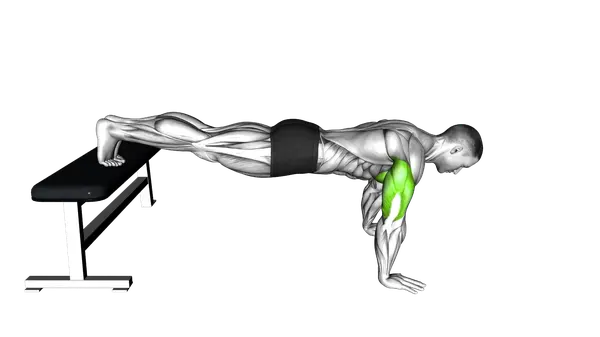
Bench Dip with heels on Floor

Bench Dip with heels on Floor

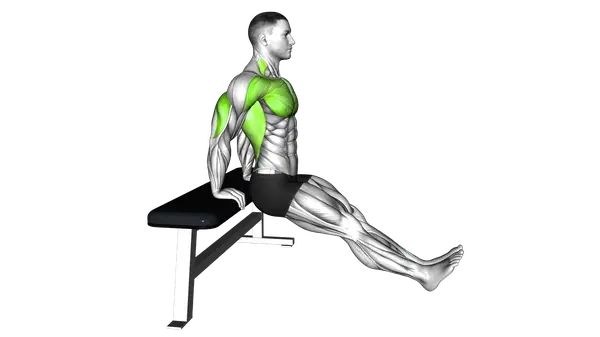
The Bench Dip with Heels on Floor is a great upper body exercise that works your triceps (the muscles on the back of your arms) along with your chest and front shoulder muscles. It's perfect for people who want to build stronger, more defined arms without needing a gym membership or fancy equipment.What makes this exercise so popular is how simple it is to do. All you need is a sturdy bench, chair, or couch edge, and you use your own body weight to create the workout. This exercise is especially good because you can make it easier or harder as you get stronger - beginners can start with shorter movements, while more experienced people can add weight or change the angle.This exercise is fantastic for building the tricep muscles that give your arms that toned, defined look. It targets all parts of your triceps, which helps create better overall arm shape and strength. Many people love adding this to their workout routine because it really helps sculpt the back of the arms.You'll often see this exercise in quick, intense workouts because it gets your heart pumping while building muscle at the same time. This makes it perfect for busy people who want to get the most out of their limited workout time.Strong triceps aren't just about looking good: they help with everyday activities like pushing heavy doors, lifting objects overhead, or even getting up from chairs. The exercise also works your shoulders and chest, which can help improve your posture and make daily tasks easier.While the Bench Dip with Heels on Floor looks simple, doing it correctly and gradually making it more challenging is key to seeing results. It's proof that you don't need complicated equipment or expensive gym memberships to get an effective workout - sometimes the simplest exercises are the most powerful when done consistently and with good form.

Strength
Bodybuilding
HIIT
Bodyweight exercises
Bodyweight Muscle Up

Bodyweight Muscle Up

The Bodyweight Muscle Up stands as one of the most coveted and impressive calisthenics movements in the fitness world, representing the pinnacle of upper body strength, coordination, and explosive power. This advanced movement seamlessly combines a powerful pull-up with a skilled transition and a commanding dip, requiring exceptional development of the lats, triceps, and pectoral muscles working in harmonious synchronization. Often showcased in CrossFit competitions, HIIT workouts, and advanced bodybuilding routines, the muscle up has become a benchmark for upper body dominance. What makes this movement so challenging isn't merely the strength requirements—though they are substantial—but the technical proficiency needed to execute the transition phase between the pull and push portions of the exercise. The raw strength developed through consistent muscle up training translates to remarkable functional power that carries over to numerous athletic endeavors. Athletes who master this movement typically experience significant improvements in pulling strength, pushing power, and core stability that benefit them across various training modalities and sports. Beyond the physical benefits, there's an undeniable psychological edge to conquering the muscle up. Many fitness enthusiasts spend months, even years, working toward their first clean repetition. This journey builds mental fortitude alongside physical capacity, teaching patience and persistence—qualities that extend far beyond the training environment. While flashy on social media, the muscle up isn't just for show. The comprehensive recruitment of upper body musculature makes it an efficient strength developer that challenges the body through multiple planes of movement. The intensity of the exercise triggers substantial hormonal responses that support muscle growth and strength adaptation when programmed appropriately. For those seeking to elevate their bodyweight training to elite levels, the muscle up represents not just an exercise but a milestone—a physical manifestation of dedicated training and technical mastery that few recreational athletes ever achieve.

Strength
Crossfit
HIIT
+1
Bodyweight exercises
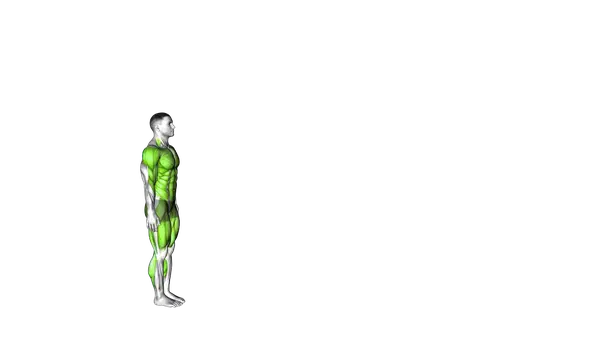
Burpee Broad Jump

Burpee Broad Jump

The Burpee Broad Jump stands as a formidable total-body movement that combines explosive power, cardiovascular endurance, and muscular strength into one comprehensive exercise. This intermediate-level movement has gained tremendous popularity in both HIIT and CrossFit training circles for its efficiency in targeting multiple muscle groups simultaneously while elevating your heart rate. When performing this dynamic exercise, you'll engage your pecs during the push-up portion, creating that chest-building tension that helps develop upper body strength. Your quads and glutes activate powerfully during both the squat component and especially during the explosive jump phase, where they generate the forward propulsion needed for distance. Throughout the entire movement, your core muscles remain engaged, with your abs working overtime to maintain proper form and body alignment. What makes this exercise particularly valuable is its dual nature of building endurance while delivering serious cardio benefits. The rapid transitions between movements create an oxygen demand that challenges your cardiovascular system, making it an excellent choice for those looking to improve conditioning while burning significant calories. This exercise efficiently combines strength and cardio elements, eliminating the need to separate these training components. The beauty of the Burpee Broad Jump lies in its adaptability across fitness levels. While categorized as intermediate, it can be modified or intensified based on your specific goals and capabilities. Many athletes incorporate this movement into their training to develop power, explosiveness, and stamina—all qualities that transfer well to various sports and daily activities. For those seeking efficiency in their workouts, this exercise delivers exceptional bang for your buck, recruiting major muscle groups while simultaneously challenging your cardiovascular system. Its inclusion in HIIT and CrossFit programs speaks to its effectiveness as a metabolic conditioning tool that pushes physical boundaries and builds mental toughness alongside physical strength.

Endurance
Cardio
Hyrox
HIIT
+1
Bodyweight exercises
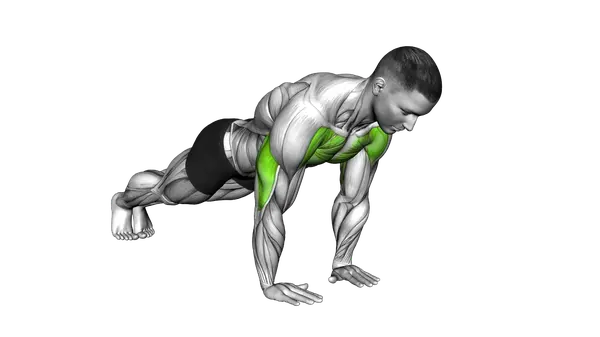
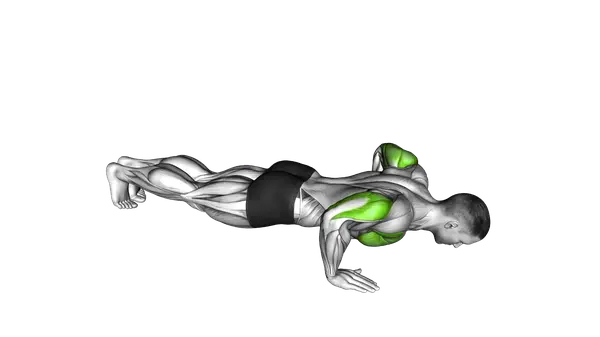
Close Grip Push Up

Close Grip Push Up

The close grip push-up stands as a powerful variation of the traditional push-up that delivers targeted stimulation to both the pectoral muscles and triceps. This intermediate-level movement shifts emphasis toward the inner chest and the triceps brachii, making it an excellent choice for those looking to add definition and strength to these specific areas. Unlike its standard counterpart, the narrow hand placement creates a more challenging mechanical advantage, requiring greater tricep engagement to push your body away from the floor. This subtle adjustment transforms a familiar exercise into a specialized tool for both bodybuilding enthusiasts seeking muscle hypertrophy and HIIT devotees looking for compound movements that deliver maximum results in minimal time. Research consistently demonstrates that close grip variations increase triceps activation by approximately 30% compared to standard push-ups, making this a time-efficient option for developing the pushing muscles of the upper body. The beauty of this exercise lies in its versatility—it can be programmed as part of a strength-focused routine with lower reps and longer rest periods, or incorporated into high-intensity intervals to simultaneously build muscle and improve cardiovascular conditioning. For bodybuilders, the close grip push-up offers the perfect complement to bench press variations, filling the gap between heavy lifting sessions with a movement that can be performed anywhere without sacrificing quality muscle stimulation. Meanwhile, those pursuing functional strength benefit from the core stability requirements and the practical pushing pattern that translates directly to everyday activities. As you progress with this movement, you'll notice improvements not only in chest definition and triceps development but also in overall pressing strength that carries over to other exercises. The close grip push-up represents one of those rare movements that bridges the gap between aesthetic goals and performance enhancement, making it a staple in well-designed fitness programs focused on upper body development.

Strength
Bodybuilding
HIIT
Bodyweight exercises

Built for Progress

Take the Guesswork
Out of Training

Create personalized AI-powered workout plans that evolve with you. Train smarter, track every rep and keep moving forward.
Decline Push Up

Decline Push Up

The Decline Push Up stands as a powerful progression from the traditional push up, specifically designed to shift more emphasis onto the upper chest muscles while still engaging the triceps and anterior deltoids. This bodyweight movement represents an intermediate-level challenge that belongs in any serious strength-building or bodybuilding regimen, and can be seamlessly incorporated into high-intensity interval training sessions for enhanced cardiovascular benefits alongside muscular development. Unlike the standard push up that distributes tension relatively evenly across the pectoral region, the decline variation places your feet above your head, creating an angle that increases the load on your upper chest fibers. This mechanical advantage makes it particularly effective for developing that coveted chest shelf that many fitness enthusiasts pursue. The exercise's beauty lies in its simplicity – requiring no specialized equipment beyond an elevated surface – while delivering results comparable to decline bench pressing. The biomechanics of this movement activate approximately 70% of your upper body pushing muscles, with primary tension directed through the pectoralis major, especially the clavicular head. Meanwhile, your triceps brachii work as crucial secondary movers, and your anterior deltoids assist throughout the motion, creating a comprehensive upper body pushing stimulus. The instability factor inherent in the position also recruits more core stabilization than machine-based alternatives. For those focused on strength development, the decline push up serves as an excellent progressive overload tool once standard push ups become too easy. The increased resistance created by the angle can help push through plateaus and stimulate new growth. Bodybuilders particularly value this movement for its ability to target the upper chest with precision, while HIIT enthusiasts appreciate how quickly it can elevate heart rate when performed with minimal rest periods. What truly sets the decline push up apart is its versatility across training modalities – whether you're pursuing pure strength, muscular hypertrophy, or conditioning, this exercise delivers measurable results while requiring minimal setup time and zero equipment costs.

Strength
Bodybuilding
HIIT
Bodyweight exercises
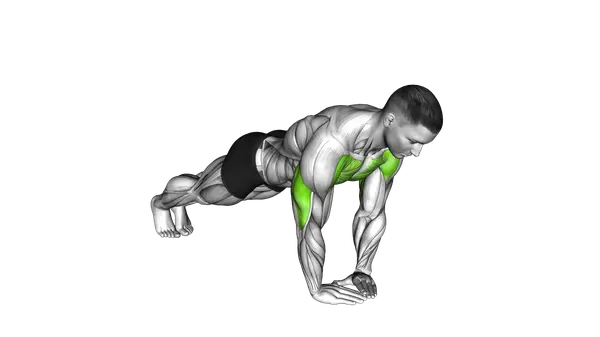
Diamond Push Up

Diamond Push Up

The diamond push-up stands as a challenging variation of the traditional push-up that takes your upper body strength training to the next level. This intermediate exercise primarily targets the pecs, triceps, and front deltoids, making it an excellent addition to both bodybuilding routines and high-intensity interval training (HIIT) circuits. What distinguishes the diamond push-up is the distinctive hand position, where the thumbs and index fingers touch to form a diamond or triangle shape beneath the center of your chest. This exercise has earned its reputation as a triceps builder, generating significantly more activation in the triceps brachii compared to standard push-ups. Research has shown that the narrow hand placement shifts the workload away from the chest and more toward the triceps, making it particularly effective for developing those horseshoe-shaped muscles at the back of your arms. For bodybuilders seeking definition in their arms, this exercise delivers impressive results without requiring any equipment. While building strength is the primary benefit, diamond push-ups also enhance stabilization throughout your entire core and shoulders. The narrow base of support challenges your balance and engages more of the supporting musculature around your shoulder joints. This translates to improved functional strength that carries over to other pressing movements in your fitness routine. For those incorporating this exercise into HIIT workouts, diamond push-ups create a significant metabolic demand due to the multiple muscle groups working simultaneously. This makes them perfect for elevating your heart rate quickly and efficiently while still developing upper body strength. The intensity can be modified by adjusting tempo or incorporating pause repetitions at the bottom position. Remember that proper form is crucial with this more demanding variation, as the increased triceps emphasis and narrower base of support can place additional stress on the wrist and elbow joints. As your strength improves, this exercise will serve as an excellent stepping stone toward more advanced calisthenics movements that require significant triceps power.

Strength
Bodybuilding
HIIT
Bodyweight exercises
Diamond Push Up (On Knees)

Diamond Push Up (On Knees)

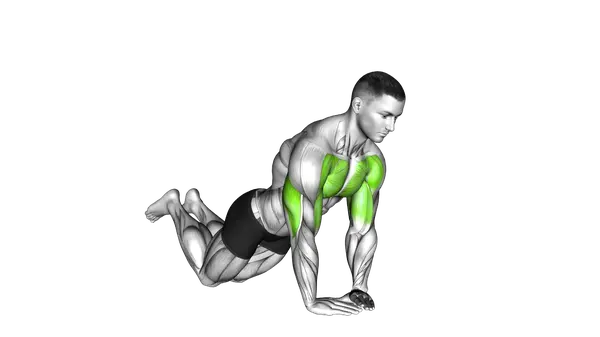
The Diamond Push Up (On Knees) offers beginners an excellent entry point into one of the most effective upper body exercises, particularly targeting the pecs and triceps. This modified version maintains the core benefits of standard diamond push-ups while reducing the load, making it accessible for those still developing upper body strength. By positioning your hands close together in a diamond or triangle shape beneath your chest while supporting yourself on your knees rather than your toes, you create a more manageable leverage system that still effectively engages the target muscle groups. The closer hand position significantly increases triceps activation compared to traditional push-ups, making this a valuable addition to any bodybuilding routine focused on arm definition. For beginners pursuing strength goals, this variation serves as an ideal progression step. The modified stance reduces the body weight load by approximately 30-40%, allowing you to master proper form while gradually building the necessary strength to advance to the full version. Research shows that consistent practice with proper form yields better results than struggling through more advanced variations with compromised technique. The Diamond Push Up (On Knees) also shines in HIIT workouts, where it can be incorporated as a strength-building station that elevates heart rate while developing muscular endurance in the chest and arms. The exercise's scalability makes it particularly valuable in circuit training, where you can adjust repetition ranges to suit your current fitness level. As your strength improves, you'll notice enhanced definition along the inner chest and the lateral head of your triceps – areas that respond particularly well to this movement pattern. This targeted engagement makes the exercise especially valuable for bodybuilders seeking balanced development across all aspects of these muscle groups, creating that coveted separation between chest and arm musculature that signifies a well-designed training program.

Strength
Bodybuilding
HIIT
Bodyweight exercises
Iron Cross Stretch

Iron Cross Stretch

The Iron Cross Stretch offers a wonderfully effective way to open up the chest and shoulders, making it an excellent addition to any fitness routine, especially for beginners looking to enhance their mobility. This fundamental stretch primarily targets the pectoral muscles and anterior deltoids (front shoulders), which tend to become tight from daily activities like computer work, driving, or even from chest-focused workouts. As a recovery tool, the Iron Cross Stretch helps counteract the natural forward-rounding posture many of us develop throughout the day. By creating a gentle but effective stretch across the chest wall, it helps release tension in these chronically shortened muscles and can significantly improve posture over time when practiced regularly. What makes this stretch particularly valuable is its versatility within a workout routine. When used during a warm-up, it helps prepare the chest and shoulder muscles for more intense activity by increasing blood flow and creating mobility in the shoulder joint. As part of a cool-down protocol, it assists in reducing post-workout muscle soreness and helps maintain long-term flexibility in these important upper body areas. The beauty of the Iron Cross lies in its simplicity yet profound effect on upper body mobility. Regular practice can help correct muscular imbalances between the chest and upper back, potentially reducing the risk of shoulder injuries. For those who spend long hours at a desk, this stretch can provide immediate relief from the sensation of tightness across the front of the shoulders. While gentle enough for beginners, the Iron Cross Stretch offers scalable intensity, allowing you to adjust the degree of stretch based on your current flexibility level. Consistent incorporation of this stretch into your mobility work can lead to noticeable improvements in shoulder range of motion, making everyday movements feel more fluid and comfortable while enhancing performance in various upper body exercises.

Stretching
Mobility
Recovery
Cool-down
+1
Bodyweight exercises
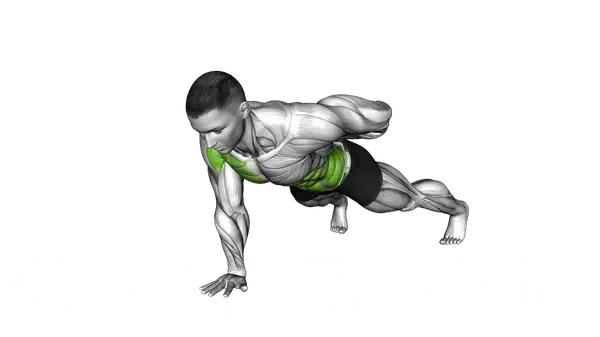
One-Arm Push Up

One-Arm Push Up

The one-arm push-up stands as a formidable milestone in bodyweight training, representing the pinnacle of upper body strength development. This advanced movement dramatically intensifies the classic push-up by concentrating your entire body weight onto a single arm, creating an asymmetrical challenge that few fitness enthusiasts ever master. When executed properly, this exercise primarily targets the pectoral muscles with extraordinary intensity, forcing them to stabilize and generate power in a way that conventional push-ups simply cannot match. The triceps experience tremendous activation as they work to extend the elbow under significant load, while the anterior deltoids (front shoulders) undergo extreme stress as they stabilize the shoulder joint throughout the movement. What makes the one-arm push-up particularly valuable is its versatility across training methodologies. In HIIT (High-Intensity Interval Training) protocols, even just a few repetitions can spike your heart rate and metabolic response due to the full-body engagement required. For bodybuilders seeking functional hypertrophy, the exercise creates muscle-building tension that can help break through plateaus when traditional weighted exercises have stalled progress. The strength demands of this movement extend far beyond the primary muscle groups. Your core transforms into a stabilization powerhouse as it fights rotational forces that threaten to collapse your form. The non-working arm side requires exceptional anti-rotational strength, teaching your body to maintain structural integrity under asymmetrical stress: a quality rarely developed in conventional gym training. Despite its intimidating appearance, the one-arm push-up represents a worthy pursuit for serious fitness enthusiasts. Its mastery not only signifies exceptional strength-to-weight ratio but also demonstrates tremendous body control and proprioception. The functional carryover to athletic performance makes it particularly valuable for combat sports athletes, climbers, and anyone seeking to develop real-world upper body power without equipment dependencies.

Strength
HIIT
Bodybuilding
Bodyweight exercises
Pike To Cobra Push Up

Pike To Cobra Push Up

The Pike to Cobra Push-Up combines two dynamic movements into one fluid exercise that challenges your upper body strength while enhancing mobility through your shoulders and spine. This intermediate-level movement seamlessly transitions between a downward dog-like position and a cobra pose, creating a comprehensive exercise that targets multiple muscle groups simultaneously. Your pecs, triceps, and front deltoids work overtime during this exercise, making it an excellent addition to any strength-focused routine. The pike position intensifies the load on your shoulders, while the transition to cobra engages your chest muscles in a unique way that traditional push-ups simply can't match. What makes the Pike to Cobra Push-Up particularly valuable is its versatility across training modalities. Whether you're incorporating it into a high-intensity interval training (HIIT) circuit for cardiovascular benefits, using it as part of a bodybuilding regimen to sculpt your upper body, or including it as a dynamic warm-up before a more intense workout, this exercise delivers results. Many athletes appreciate how it serves double duty by building strength while simultaneously improving mobility. The flowing nature of this movement creates a natural stretch-and-strengthen pattern that promotes shoulder health and spinal mobility. As you transition between the pike and cobra positions, you're effectively moving through a full range of motion that challenges your muscles while improving functional flexibility. This makes it particularly beneficial for those looking to enhance overall movement quality alongside raw strength gains. For maximum effectiveness, focus on quality over quantity and maintain proper form throughout the movement. As you become more proficient, you'll notice improvements not only in your push-up strength but also in your overall upper body mobility and postural control. This exercise truly exemplifies how compound movements can efficiently target multiple fitness goals in one comprehensive package.

Strength
Mobility
HIIT
Bodybuilding
+1
Bodyweight exercises
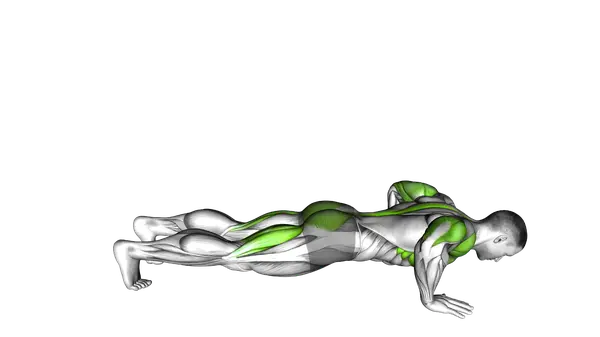
Push Up

Push Up

The push-up stands as one of the most effective bodyweight exercises in fitness, perfect for beginners yet challenging enough for advanced athletes. This classic movement primarily targets your pectoral muscles (chest), while simultaneously engaging your triceps and anterior deltoids (front shoulders) as secondary muscle groups. What makes push-ups truly exceptional is their versatility across multiple training styles – they're equally valuable in high-intensity interval training (HIIT) circuits, traditional bodybuilding routines, or as part of an effective warm-up sequence. When incorporated into your fitness regimen consistently, push-ups deliver impressive results for both strength development and muscular endurance. For beginners, this foundational exercise establishes crucial upper body stability and proprioception before advancing to more complex movements. The beauty of push-ups lies in their accessibility – requiring no equipment and minimal space, they can be performed virtually anywhere, making them ideal for home workouts or travel situations when gym access is limited. Despite their simplicity, push-ups offer remarkable physiological benefits. The movement creates significant muscle tension across the chest, shoulders, and arms while simultaneously engaging your core as a stabilizer. This full-body integration makes push-ups surprisingly effective for improving functional strength that transfers to daily activities. For those focused on bodybuilding, push-ups can be programmed with various tempos and rep schemes to stimulate muscle growth, particularly when weighted variations are incorporated as strength improves. Beyond muscular development, push-ups place moderate stress on your cardiovascular system when performed in higher-rep protocols or HIIT formats, offering efficiency for those seeking both strength and conditioning benefits in limited workout time. Their scalability makes them suitable for virtually any fitness level – modifications can reduce intensity for beginners, while advanced variations can challenge even seasoned athletes. As you progress in your fitness journey, the push-up remains a reliable assessment tool for upper body pushing strength and a cornerstone movement pattern worth mastering.

Strength
Endurance
HIIT
Bodybuilding
+1
Bodyweight exercises
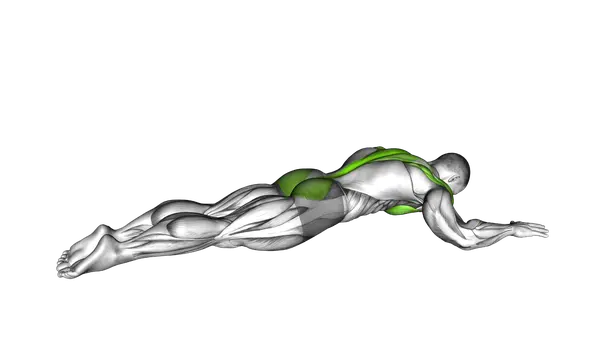
Superman Chest Stretch

Superman Chest Stretch

The Superman Chest Stretch offers a fantastic way to open up your chest and shoulder muscles after they've been contracted during your workout or daily activities. This beginner-friendly stretch primarily targets the pectoral muscles (pecs) and anterior deltoids (front delts), making it an excellent addition to your recovery routine, cool-down session, or even as part of your warm-up sequence. When we spend hours hunched over desks or phones, our chest muscles tighten and shoulders roll forward. This simple yet effective stretch counteracts that posture by creating length through these chronically shortened tissues. The beauty of the Superman Chest Stretch lies in its accessibility—it requires no equipment and can be performed virtually anywhere you have a bit of space. Adding this stretch to your mobility work can significantly improve your range of motion for exercises like bench presses, push-ups, and other chest-focused movements. By regularly incorporating this stretch, you're not just enhancing recovery but also potentially boosting your performance in pressing movements by ensuring your chest muscles can move through their full range. The gentle but effective tension created during this stretch helps increase blood flow to the pectoral region and front shoulders, which accelerates recovery by delivering nutrients to tissues that might be fatigued from training. Many fitness enthusiasts report feeling an immediate sense of relief and openness across the chest after performing this stretch. For optimal results, consider including the Superman Chest Stretch in your cool-down routine after any upper body training day. It pairs particularly well with other stretching and mobility work focused on the upper body. While it feels wonderful after training, it can also serve as an energizing morning stretch to counter sleep postures or as a quick break during long periods of sitting to reset your posture and reawaken your upper body.

Stretching
Mobility
Recovery
Cool-down
+1
Bodyweight exercises
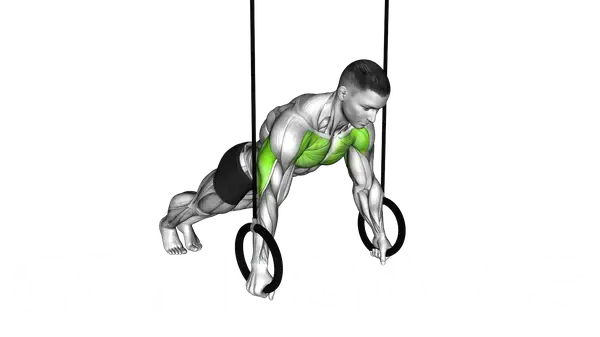
Suspended Push Up

Suspended Push Up

The suspended push-up stands as a formidable evolution of the traditional push-up, demanding significantly more from your body's stabilizing systems while amplifying the challenge to your pecs, triceps, and front deltoids. This advanced variation utilizes suspension trainers like TRX or gymnastic rings to create an unstable surface that intensifies muscle recruitment throughout your upper body and core. What makes suspended push-ups particularly effective is the constant tension they place on your muscles throughout the entire range of motion. As your hands grip the handles suspended in air, your body must work overtime to maintain proper alignment, creating a neuromuscular challenge that activates deeper muscle fibers than standard push-ups could ever reach. For strength-focused athletes, suspended push-ups offer a portable yet punishing method to continue progressing when traditional push-ups no longer provide adequate resistance. The instability factor means your muscles never fully adapt, keeping growth potential high even for advanced trainees. The exercise seamlessly integrates into various training modalities – from high-intensity interval training circuits where they serve as a metabolic catalyst, to CrossFit WODs that test your upper body endurance, to bodybuilding routines targeting chest definition and tricep separation. Research indicates that suspended push-ups generate approximately 1.6 times greater muscle activation in the abdominals compared to standard push-ups, while simultaneously increasing activation in the serratus anterior – a critical muscle for shoulder health and aesthetic development of the ribcage area. This makes them exceptionally time-efficient for athletes looking to combine core stability work with upper body pressing strength. The beauty of suspended push-ups lies in their scalability. As your strength increases, simply adjusting your body position can create progressive overload without additional equipment. For serious fitness enthusiasts seeking to break through plateaus, this exercise delivers a potent stimulus that challenges even those with years of training experience, making it a valuable addition to any advanced strength-building arsenal.

Strength
HIIT
Crossfit
+1
Bodyweight exercises

Why bodyweight movements improve strength and control

Benefits of training chest with bodyweight

Bodyweight chest exercises use your own mass as resistance, allowing for smooth, natural movement patterns that reduce joint stress while enhancing muscular stability. They also require coordination across the chest, shoulders, arms, and core, making them useful for building functional upper-body strength. Adjusting hand width, body angle, or tempo provides endless progression options without external weights.

Key advantages:

  • Natural and joint-friendly movement patterns
  • Strong activation of stabilizing muscles
  • Easy to progress or regress based on angle and leverage
  • Accessible anywhere without equipment
  • Highly effective for strength, endurance, and technique development

How these movements fit into your weekly training routine

When to use bodyweight chest exercises

Bodyweight chest exercises fit well into push days, upper-body sessions, full-body routines, or conditioning workouts. They can serve as warm-up patterns, primary pushing movements, or high-rep accessory exercises depending on your goals. Most lifters perform bodyweight pressing one to three times per week, adjusting volume based on recovery. Because these exercises demand full-body tension, they also complement weighted pressing variations by improving control and movement quality.

Movements worth prioritizing for strength and stability

Key bodyweight chest exercises

Below are the five most valuable bodyweight chest exercises on this page. These movements combine versatility, tension control, and progression options to build functional chest strength.

  1. Push-up: A foundational upper-body movement that targets the chest, triceps, and shoulders while developing whole-body stability.
  2. Decline push-up: Shifts emphasis toward the upper chest by elevating the feet, increasing loading through angle and leverage.
  3. Close-grip push-up: Places more focus on the inner chest and triceps, improving pushing power and lockout strength.
  4. One-arm push-up: A high-difficulty movement that builds unilateral strength, stability, and advanced upper-body control.
  5. Pike to cobra push-up: Blends an overhead pushing position with a transition into a chest-focused press, improving mobility and dynamic strength.

Exercise overview

Exercise Primary focus Training goal
Push-up Chest, triceps, shoulders Strength and foundational technique
Decline push-up Upper chest, shoulders Hypertrophy and loading progression
Close-grip push-up Inner chest, triceps Lockout strength and stability
One-arm push-up Unilateral pressing Advanced strength and control
Pike to cobra push-up Chest + shoulder mobility Dynamic strength and mobility

Placing these movements inside your program

How to integrate bodyweight chest exercises

Bodyweight chest exercises work well as primary movements in minimalist programs or as warm-ups and accessory work alongside barbell or dumbbell presses. They are especially effective in moderate to high rep ranges, where tension and technique are the priority. Combining standard push-up patterns with angle variations creates a complete chest stimulus without equipment. Create your personal training program in the app tailored to your goals, fitness level, and schedule.

Built for progress

Take the guesswork out of training

Create personalized AI-powered workout plans that evolve with you. Train smarter, track every rep and keep moving forward, one workout at a time.

Be among the first to join!
GrabGains workout plans

Frequently asked questions about chest exercises with bodyweight

How often should I train bodyweight chest exercises?

Most people benefit from one to three weekly sessions depending on their program. Higher frequencies work well for technique development and endurance, while moderate frequencies suit strength-oriented training. Adjust total volume based on your recovery and other pressing movements in the week.


What muscles can I target with bodyweight chest exercises?

Most bodyweight chest exercises target the pectoralis major while also activating the triceps, front delts, and core. Variations like decline push-ups shift more emphasis to the upper chest, while close-grip push-ups increase triceps involvement. More advanced movements, such as one-arm push-ups, also challenge stabilizers throughout the torso and hips.

How much resistance should I start with?

Your bodyweight provides the resistance, but difficulty depends on hand placement, body angle, and technique. Beginners can start with incline push-ups or knee-supported variations. As strength improves, you can progress to standard push-ups, decline push-ups, and eventually unilateral or plyometric variations.

Can bodyweight exercises replace weights for chest training?

Bodyweight exercises can build considerable strength and muscle, especially when using progressions like decline, close-grip, and one-arm push-ups. However, adding weighted movements can provide additional overload for long-term progression. Many lifters benefit from combining both.


How do I get the most out of bodyweight chest training?

Use full range of motion, maintain strong core engagement, and adjust leverage to manage difficulty. Rotate between standard, incline, decline, and close-grip variations to target different regions of the chest. Consistent volume and progression are the keys to improvement.

Training categories that pair well with bodyweight chest exercises
Chest related workouts