Structured lower-body training with guided resistance
Leg exercises with machine
Leg exercises with machines offer a controlled and highly effective way to train the lower body. By guiding the movement path, machines reduce technical complexity and allow focused muscle activation without the balance demands of free weights. This makes machine-based leg training suitable for beginners, advanced lifters, and anyone looking to isolate specific muscle groups while maintaining consistent tension and joint-friendly loading.
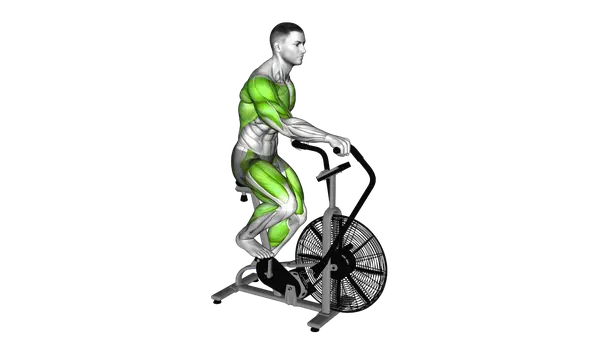
Assault Bike Run
The Assault Bike Run is a full-body conditioning movement that uses steady pedaling and pushing to build stamina and work capacity.
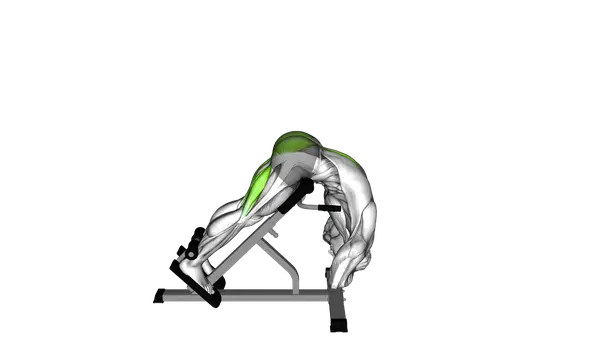
Hyperextension
The Hyperextension is a bodyweight strength exercise that builds lower-back and hip strength through controlled bending and straightening.
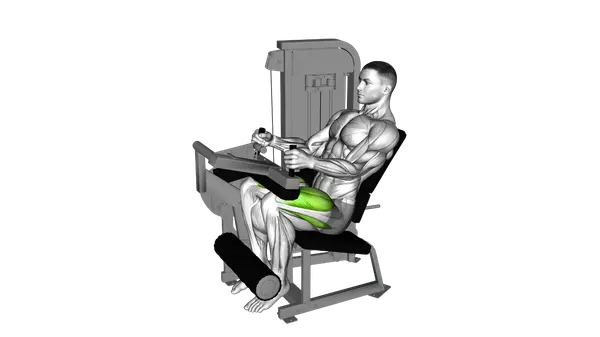
Lever Leg Extension
The Lever Leg Extension is a machine-based exercise that isolates the front of the thighs to build strength with controlled knee movement.
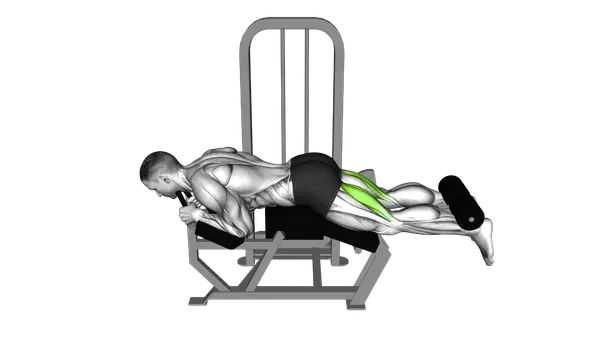
Lever Lying Leg Curl
The Lever Lying Leg Curl is a machine exercise that isolates the back of the thighs, allowing focused strength work through knee bending.
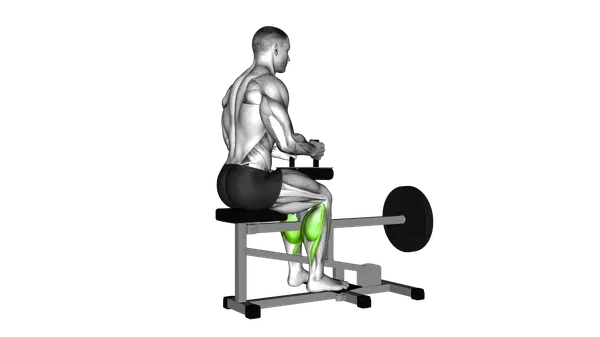
Lever Seated Calf Raise (Plate Loaded)
The Lever Seated Calf Raise is a machine exercise that targets the calves with controlled resistance while seated for focused lower-leg strength.
Built for Progress
Take the Guesswork Out of Training
Get a personalized workout plan built around your goal, equipment and schedule. Train smarter, track every rep and keep moving forward.
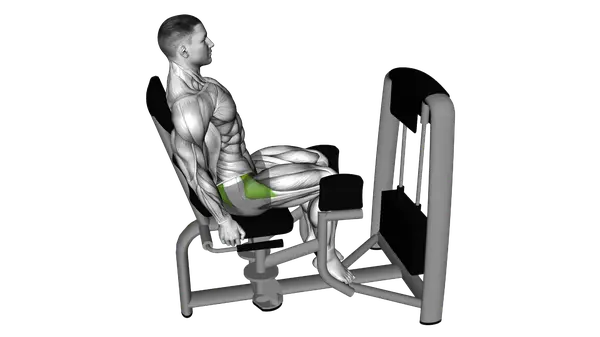
Lever Seated Hip Abduction
The Lever Seated Hip Abduction is a machine exercise that strengthens the outer hips by moving the legs outward against controlled resistance.
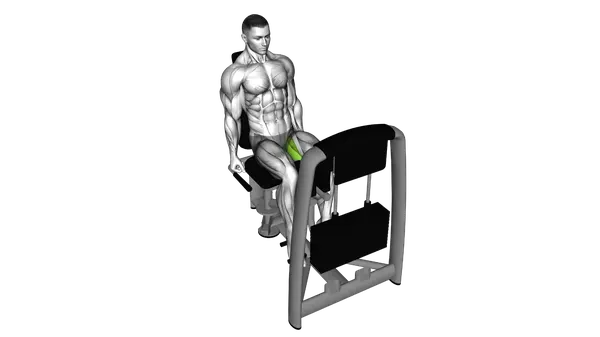
Lever Seated Hip Adduction
The Lever Seated Hip Adduction is a machine exercise that trains the inner thighs by bringing the legs together with controlled resistance.
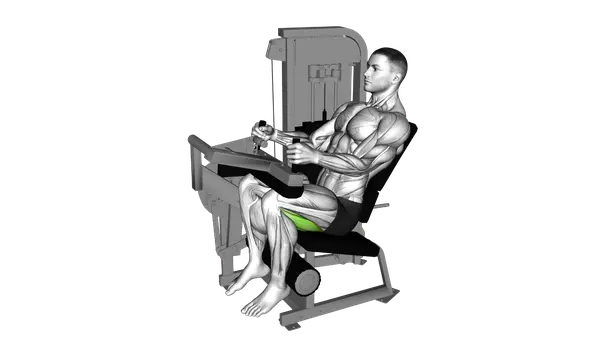
Lever Seated Leg Curl
The Lever Seated Leg Curl is a machine-based exercise that trains the back of the legs by bending the knees against controlled resistance.
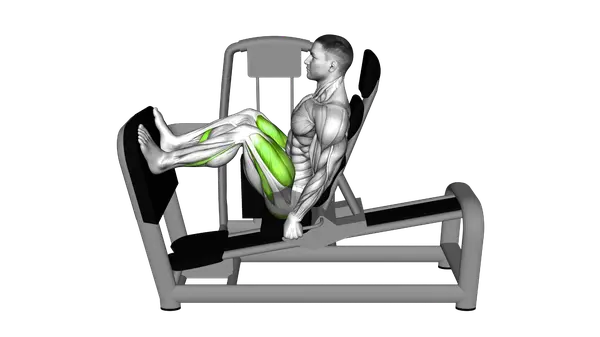
Lever Seated Leg Press
The Lever Seated Leg Press is a machine exercise that trains the legs by pushing weight away while staying seated and supported.
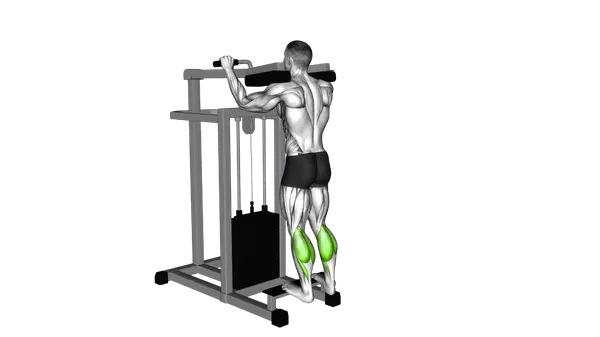
Lever Standing Calf Raise
The Lever Standing Calf Raise is a machine exercise that strengthens the calves by lifting your heels while standing in a stable setup.
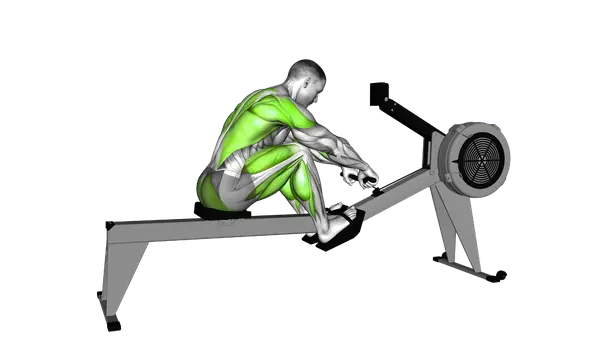
Rowing (Rowing Machine)
The Rowing (Rowing Machine) is a full-body cardio exercise that builds endurance while training legs, back, and upper body together.
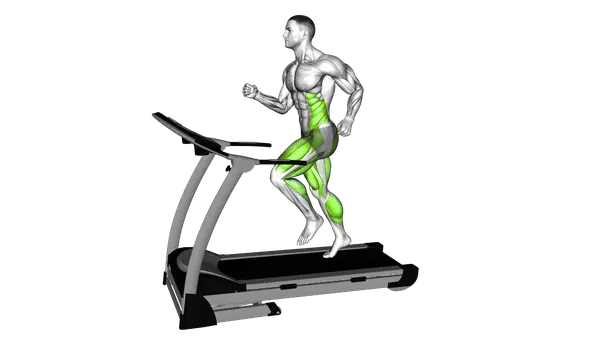
Running on Treadmill
Running on a treadmill offers a controlled way to build cardio fitness, improve endurance, and maintain consistent pacing indoors.
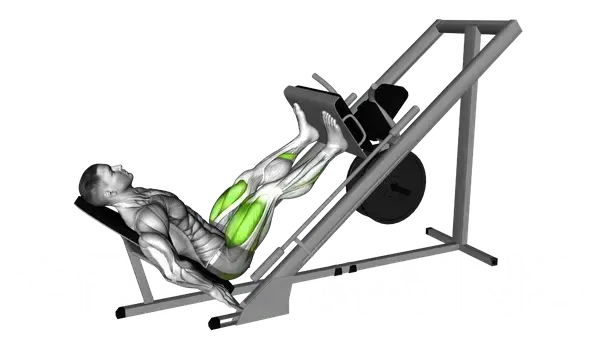
Sled 45 Degrees Leg Press
The Sled 45 Degrees Leg Press builds lower-body strength with a stable setup that allows controlled loading through a fixed movement path.
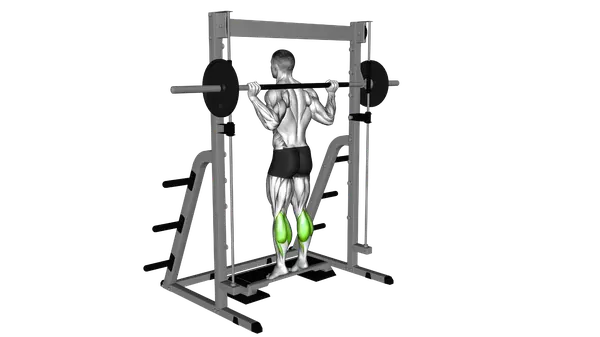
Smith Machine Calf Raise
The Smith Machine Calf Raise isolates the calves using a guided bar path, allowing stable loading and consistent tension through each rep.
Stability, precision and targeted loading
Why train legs with machines
Machine leg exercises are designed to keep the movement stable and repeatable, making them ideal for hypertrophy, rehabilitation, and volume-focused training blocks.
Key advantages:
- Guided movement paths for consistent execution
- Reduced balance and coordination demands
- Effective muscle isolation
- Safer loading at higher volumes
- Easy load adjustments and progression
Targeted movements for complete lower-body development
Core machine leg exercises
The following exercises represent the foundation of machine-based leg training. Together, they cover the quadriceps, hamstrings, glutes, and calves with a strong emphasis on control and muscle engagement.
- Lever leg press / sled leg press: A compound lower-body exercise that allows heavy loading while maintaining spinal support.
- Lever leg extension: A focused quadriceps exercise ideal for isolating knee extension and building front-thigh strength.
- Lever lying leg curl: A hamstring-dominant movement that targets knee flexion with consistent resistance.
- Lever seated leg curl: An alternative hamstring exercise emphasizing controlled contraction and muscle balance.
- Lever seated hip abduction: Targets the outer glutes and hip stabilizers, supporting lower-body stability.
- Lever seated hip adduction: Focuses on the inner thighs, contributing to hip strength and control.
- Hyperextension machine: Strengthens the posterior chain by targeting the lower back, glutes, and hamstrings.
- Lever seated calf raise (plate loaded): Isolates the calves in a seated position, emphasizing soleus activation.
- Lever standing calf raise / Smith machine calf raise: Targets the gastrocnemius through a standing calf movement with guided resistance.
Exercise overview
| Exercise | Primary focus | Training goal |
|---|---|---|
| Leg press | Quads, glutes | Compound strength |
| Leg extension | Quadriceps | Isolation & hypertrophy |
| Lying leg curl | Hamstrings | Knee flexion strength |
| Seated leg curl | Hamstrings | Controlled activation |
| Hip abduction | Glutes | Stability & support |
| Hip adduction | Inner thighs | Hip control |
| Hyperextension | Posterior chain | Strength & endurance |
| Seated calf raise | Calves | Muscle isolation |
| Standing calf raise | Calves | Strength & size |
Building volume and refining muscle control
Programming machine leg exercises
Machine-based leg exercises are especially effective when used to increase training volume without excessive fatigue. They work well after compound lifts or as the main focus of hypertrophy-focused sessions. Due to their stability and predictable resistance, machines are also commonly used in rehabilitation, deload phases, and technique-focused training blocks. Use machine exercises to balance muscle development, reinforce weak points, and support long-term progression.
Frequently asked questions about machine leg exercises
Most trainees can include machine leg exercises two to three times per week, depending on total volume.
Yes. Machines provide constant tension and allow precise loading, making them highly effective for hypertrophy.
Quadriceps, hamstrings, glutes, and calves all respond well to machine-based training.
Absolutely. Machines reduce technical demands and help beginners train with confidence and control.
They are best used as a complement to free weights rather than a complete replacement.