Exercises that build control, stability and overhead strength
Shoulder exercises with bodyweight
Bodyweight shoulder exercises are highly effective for developing stability, strength control, and functional movement capacity. Without external resistance, your shoulders must rely on coordinated activation of the delts, upper back, and core to maintain tension and support bodyweight positions. These movements help improve mobility, overhead strength patterns, and dynamic pushing ability, making them essential for athletes and everyday training.
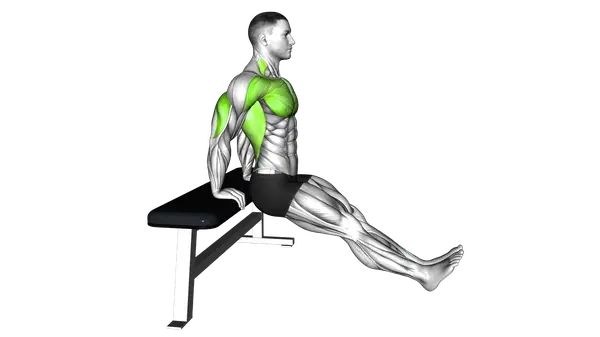
Bench Dip with heels on Floor
The Bench Dip with Heels on Floor is a bodyweight exercise used to build tricep strength while keeping the legs grounded for stability.
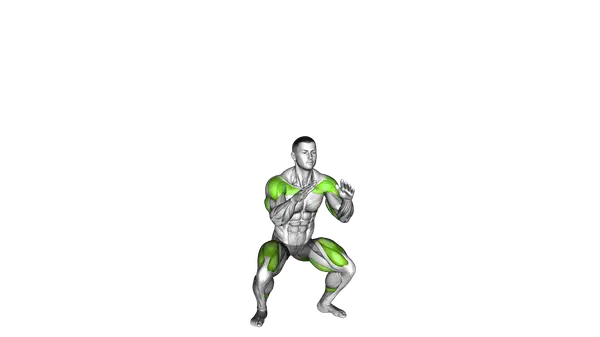
Bodyweight Full Squat With Overhead Press
The Bodyweight Full Squat With Overhead Press is a full-body exercise that builds leg strength, shoulder endurance and coordination.
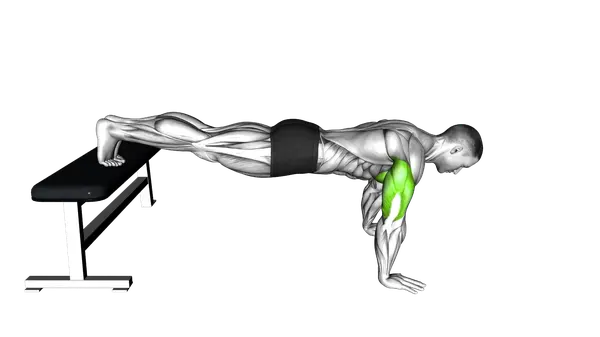
Decline Push Up
The Decline Push Up is a bodyweight push-up variation that increases upper chest and shoulder activation by elevating the feet.
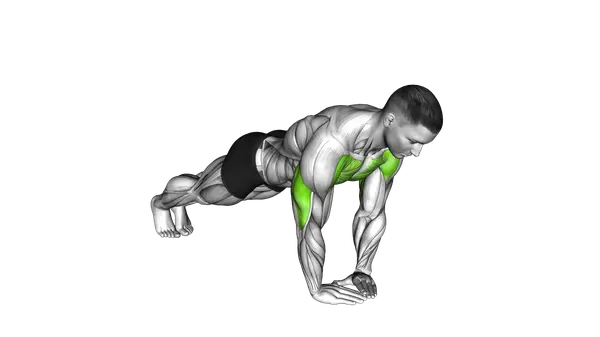
Diamond Push Up
The Diamond Push Up is a bodyweight push-up variation that increases tricep focus by placing the hands close together under the chest.
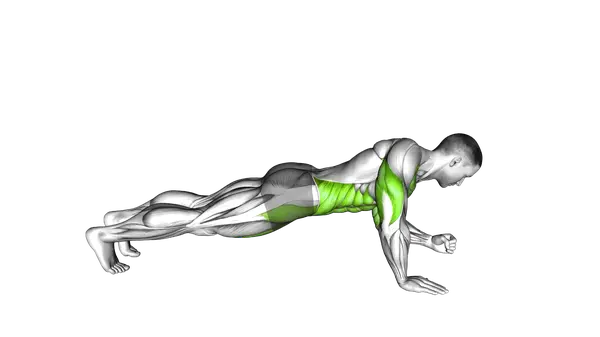
Elbow Up And Down Dynamic Plank
The Elbow Up and Down Dynamic Plank adds controlled movement to a plank to build core strength, stability, and shoulder control.
Built for Progress
Take the Guesswork Out of Training
Get a personalized workout plan built around your goal, equipment and schedule. Train smarter, track every rep and keep moving forward.
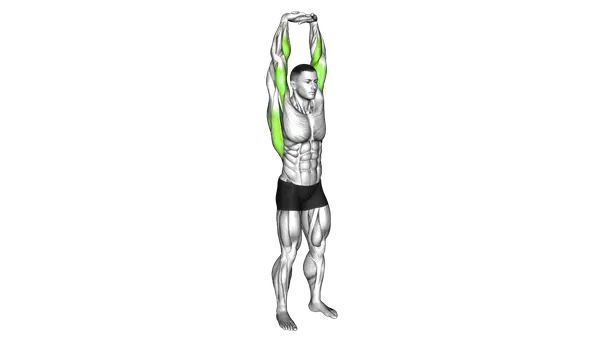
Extension Of Arms In Vertical Stretch
The Extension of Arms in Vertical Stretch lifts the arms overhead to open the shoulders and lengthen the upper body.
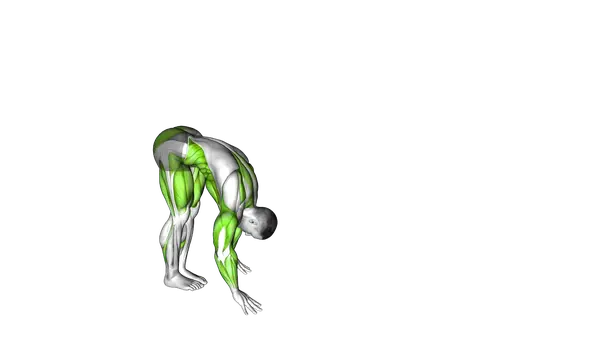
Inchworm
The Inchworm flows from standing to plank and back, improving mobility, control and coordination across the entire body smoothly.
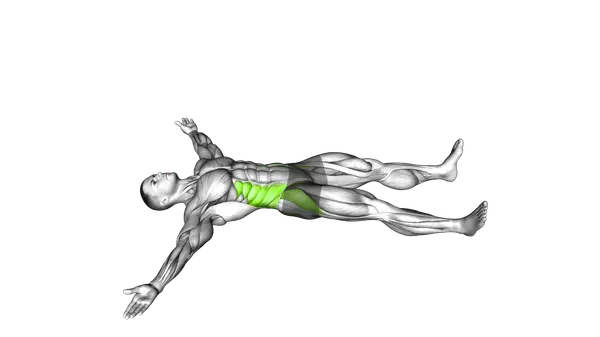
Iron Cross Stretch
The Iron Cross Stretch is a floor-based mobility exercise that improves chest, shoulder, and spinal flexibility through controlled rotational movement.
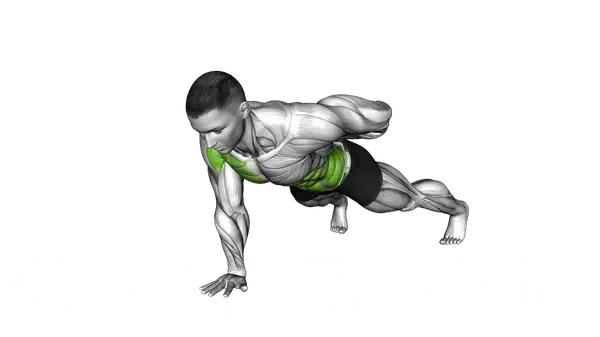
One-Arm Push Up
The One-Arm Push Up is a high-level bodyweight exercise that challenges strength, balance, and total body control, while producing force with a single arm.
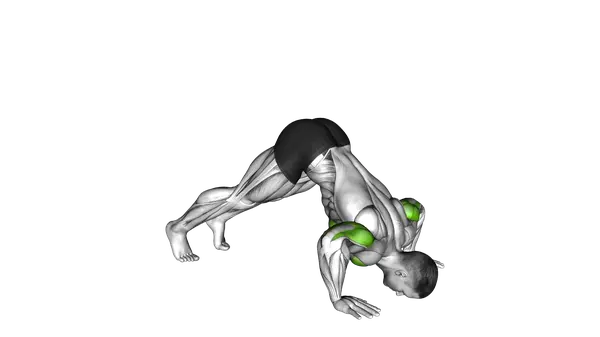
Pike Push Up
The Pike Push Up shifts bodyweight onto the shoulders to build pressing strength and control using a simple bodyweight setup.
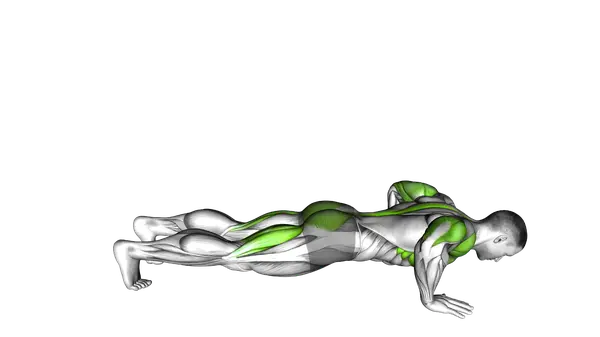
Pike To Cobra Push Up
The Pike to Cobra Push Up is a flowing bodyweight exercise that blends strength, control and mobility in one smooth sequence.
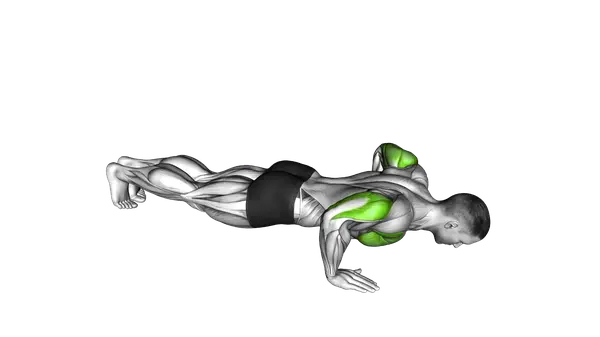
Push-Up
The Push-Up is a classic bodyweight exercise that builds strength, control, and full-body stability using only your own weight.
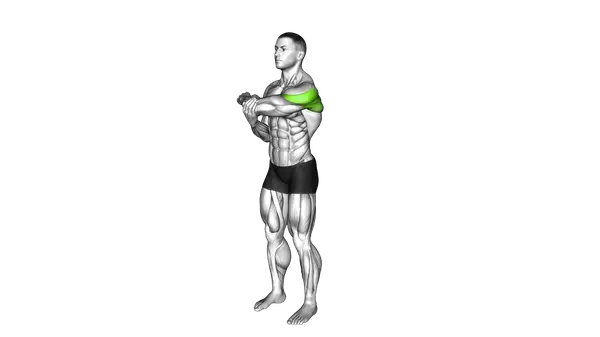
Rear Deltoid Stretch
The Rear Deltoid Stretch gently opens the back of the shoulders to reduce tension and support comfortable arm movement.
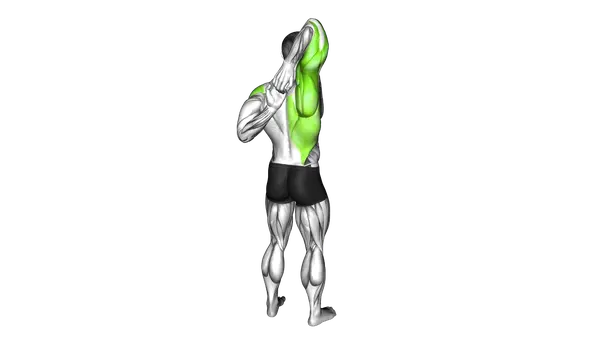
Shoulder Stretch Behind The Back
The Shoulder Stretch Behind the Back improves shoulder mobility and flexibility by gently opening the front of the shoulders and upper arms.
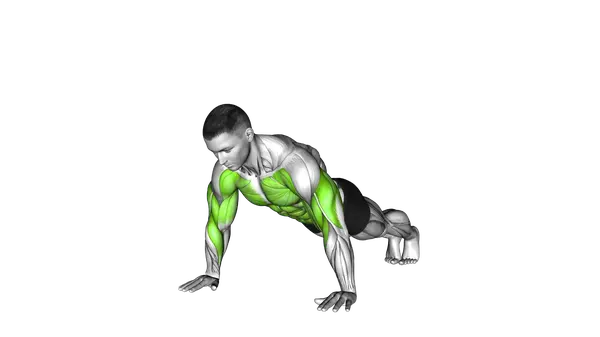
Shoulder Tap
Shoulder Tap builds core stability and shoulder control by challenging your balance while supporting your body on one arm at a time.
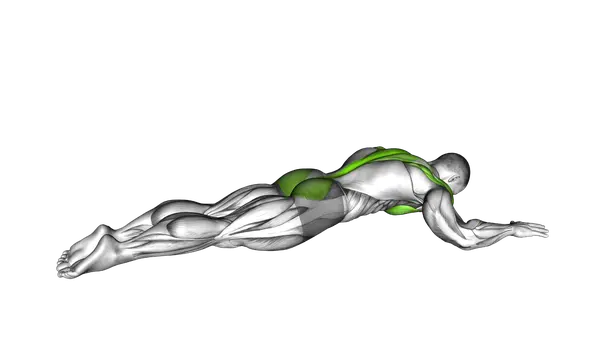
Superman Chest Stretch
The Superman Chest Stretch is a floor-based stretch that opens the front of the body while improving posture, mobility and upper-body flexibility.
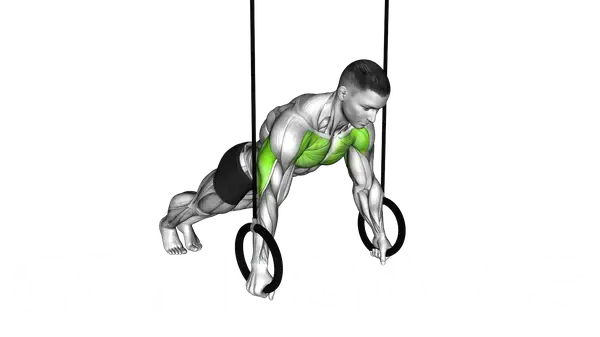
Suspended Push Up
The Suspended Push Up is an advanced bodyweight exercise that increases difficulty by adding instability, forcing greater balance and full-body tension.
Why bodyweight movements increase mobility, control and strength
Benefits of training shoulders with bodyweight
Bodyweight shoulder exercises challenge the muscles through leverage, positioning, and stability rather than pure load. This improves joint control and teaches the shoulders to produce force while maintaining strong body alignment. Many variations also reinforce scapular mechanics and core integration, which are crucial for long-term shoulder health.
Key advantages:
- Improves shoulder stability and joint control
- Strengthens delts, traps, and upper back through natural movement
- Enhances mobility across overhead and horizontal positions
- Accessible anywhere, no equipment required
- Useful for warm-ups, strength training, and skill progression
How these movements fit into your weekly routine
When to use bodyweight shoulder exercises
Bodyweight shoulder work fits well into warm-ups, upper-body days, calisthenics sessions, or mobility-focused workouts. They can serve as primary strength movements for beginners or accessory exercises for advanced lifters seeking improved control and stability. Most people perform bodyweight shoulder training one to three times per week, adjusting volume based on their pressing workload and recovery.
Movements worth prioritizing for strength, coordination, and mobility
Key bodyweight shoulder exercises
Below are the five most valuable bodyweight shoulder exercises on this page. These movements combine stability demands, overhead control, and functional strength patterns.
- Pike push-up: A shoulder-dominant bodyweight press that builds overhead pressing strength and anterior/medial delt development.
- Decline push-up: Increases shoulder loading through elevated foot positioning, improving upper-body pressing power and shoulder control.
- Inchworm: A dynamic movement that enhances shoulder stability and mobility while integrating core strength through a controlled walk-out pattern.
- Shoulder tap: Challenges unilateral shoulder stability and anti-rotation strength by supporting full bodyweight on alternating arms.
- Rear deltoid stretch: Improves mobility and tension release in the posterior delts and upper back, supporting healthier pressing and overhead mechanics.
Exercise overview
| Exercise | Primary focus | Training goal |
|---|---|---|
| Pike push-up | Shoulders + anterior delts | Strength and stability |
| Decline push-up | Shoulders + upper chest | Strength progression |
| Inchworm | Shoulders + core | Mobility and stability |
| Shoulder tap | Delts + core | Control and unilateral stability |
| Rear deltoid stretch | Rear delts + upper back | Mobility and recovery |
Placing these movements inside your program
How to integrate bodyweight shoulder exercises
Use bodyweight shoulder movements as warm-up drills, stability builders between heavy pressing sessions, or primary exercises on calisthenics-focused days. Combine pushing variations like pike or decline push-ups with stability movements such as shoulder taps for a complete approach. Mobility-focused stretches support recovery and improve overhead mechanics. Create your personal training program in the app tailored to your goals, fitness level, and schedule.
Frequently asked questions about shoulder exercises with bodyweight
One to three sessions per week is effective for most people. Higher frequencies work well for mobility and stability, while moderate frequencies support strength progression without fatigue.
Difficulty varies based on leverage and positioning. Pike push-ups and decline push-ups are more demanding, while shoulder taps and mobility drills can serve as accessible entry points. Adjusting hand placement, tempo, or elevation allows for easy progression.
Increase difficulty by elevating the feet, reducing base of support, slowing tempo, or adding unilateral variations. For mobility exercises, increase range of motion and time under tension.
They can build strong foundational stability and mobility but do not fully replace heavy overhead pressing for strength-focused athletes. Combining bodyweight work with barbell or dumbbell pressing creates the best balance.
Most bodyweight shoulder exercises target the anterior and medial delts while also engaging the triceps, traps, and core. Movements like pike push-ups emphasize overhead pressing strength, while stability drills such as shoulder taps improve coordination and unilateral control.