Lever Standing Calf Raise vs Lever Seated Calf Raise: Which to Use
These two machine calf-raise variations train the same primary muscle group but differ in body position, setup, and how the movement is loaded. The main decision is whether you want a standing pattern with the torso upright or a seated pattern with the knees bent and the hips supported. That difference affects comfort, stability, and which version is easier to push hard with consistent technique.
Published: 2026-07-23
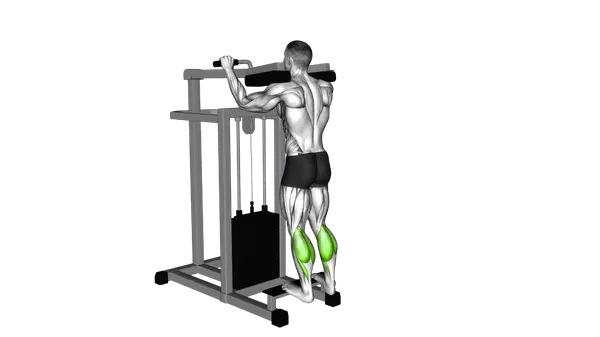
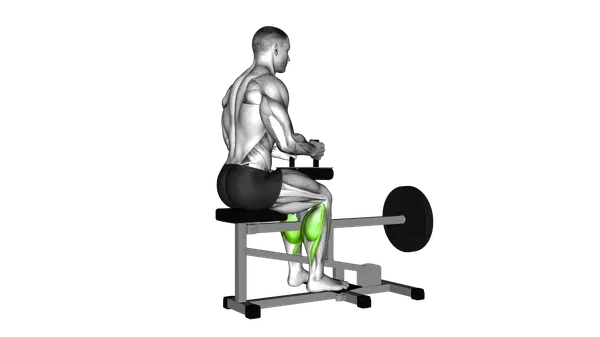
Mechanics and setup
The Lever Standing Calf Raise is performed upright with the shoulders or upper torso fixed under pads and the forefoot placed on a platform. You raise the heels against machine resistance while maintaining a stable standing position. It is a machine-based isolation exercise with an intermediate difficulty level.
The Lever Seated Calf Raise (Plate Loaded) places you in a seated position with the knees bent and the thighs secured under a pad. You raise the heels from a fixed seated setup, which reduces whole-body balance demands and makes the movement path easier to standardize from set to set. It is also a machine-based isolation exercise with an intermediate difficulty level.
Muscle emphasis
Both exercises primarily target the calves, and both use the same calf-raise movement pattern. In practical programming, they are more similar than different in overall training goal: building lower-leg strength and size through repeated plantarflexion.
Small technique changes can alter how calf training stress is distributed. Foot positioning has been shown to influence portion-specific gastrocnemius hypertrophy, which means stance details may matter within either exercise if your goal is to emphasize a specific region of the calf rather than just train the calves generally [2].
Loading, stability, and progression
The standing version usually allows a straightforward heavy setup because the machine fixes the path and lets you work from a stable base. Its main progression method is simple load increase while keeping full heel drop and strong end-range plantarflexion.
The seated plate-loaded version is often easier to progress in small, predictable steps because loading is visible and easy to adjust plate by plate. The seated position also tends to make rep quality easier to reproduce, since torso position and lower-body bracing are less variable than in a standing setup.
For advanced overload methods, calf training can respond to high-effort work and extended sets. Research on the gastrocnemius found additional hypertrophy from past-failure partials beyond momentary failure in a calf-training context, which supports using controlled partials after full-range reps when technique remains consistent [1].
Joint stress and common limitations
The standing machine can be limited by comfort under the shoulder pads or by how well the machine fits your height. Some lifters also find that maintaining a rigid upright position makes the set feel more demanding systemically, even though the exercise is still an isolation movement for the calves.
The seated machine is often better tolerated when you want calf work with less demand on posture and less pressure through the spine from an upright supported load. Its common limitation is local discomfort from the thigh pad, especially when heavier plates are used or when the pad position is not adjusted well.
In both exercises, the ankle is the main working joint. A controlled stretch at the bottom and a deliberate pause near the top are usually more useful than bouncing, especially if ankle mobility or Achilles tolerance is limited.
When each exercise is the better choice
Choose the Lever Standing Calf Raise when you want a simple upright machine pattern and you tolerate shoulder-supported loading well. It fits well when you prefer calf work that feels closer to standing lower-body training positions and when the machine setup matches your body dimensions.
Choose the Lever Seated Calf Raise (Plate Loaded) when you want the most stable and repeatable setup, or when standing pad pressure is a problem. It is also the more practical option if you want quick plate-based loading changes, tightly controlled tempo, and lower interference from posture or balance.
If both are available, using both can be reasonable because the setup differences change comfort, fatigue pattern, and exercise feel even though both primarily train the calves. In that case, keep technique and foot position consistent enough to track progression accurately, then vary stance only when you have a specific reason to do so [2].
The Bottom Line
Pick the Lever Standing Calf Raise if you want an upright machine calf raise and the shoulder-supported setup feels comfortable and stable. Pick the Lever Seated Calf Raise (Plate Loaded) if you want a more fixed position, easier plate-by-plate progression, or less whole-body setup demand. For most readers deciding between the two, the seated version is the more controlled and repeatable option, while the standing version is the better fit if you specifically prefer standing mechanics. If calf growth is the priority, either can work well when effort, range of motion, and progression are managed properly [1].
What is your fitness goal?
Pick one and the app builds your program around it, your equipment and the days you can train.
At a Glance
Lever Standing Calf Raise
Lever Seated Calf Raise (Plate Loaded)
Common Questions
Is one of these exercises better for calf hypertrophy?
Both can be effective for calf hypertrophy because both directly train the calves through the same basic movement pattern. The better choice is usually the one that lets you use a full range of motion, apply consistent effort, and progress load or reps reliably over time [1].
Does foot position matter on these calf raise machines?
Yes. Foot positioning during calf training can influence portion-specific gastrocnemius hypertrophy, so stance angle is not just a comfort detail [2]. If you change foot position, keep it consistent long enough to judge results instead of varying it randomly every session.
Can these exercises be used with advanced intensity techniques?
Yes, but only after standard full-range sets are already well controlled. In calf training, past-failure partials have been shown to add hypertrophy beyond momentary failure in the gastrocnemius, which supports their use as an advanced method rather than a default approach [1].
Scientific References
Larsen S, Swinton PA, Sandberg NØ et al. · Frontiers in psychology (2025)
Nunes JP, Costa BDV, Kassiano W et al. · Journal of strength and conditioning research (2020)
Sources are peer-reviewed academic publications from PubMed.
Full exercise guide
Lever Standing Calf Raise
Full exercise guide
Lever Seated Calf Raise (Plate Loaded)
More Exercise Comparisons
Incline Bench Press vs Flat Bench Press: Do You Need Both?
Barbell Bench Press vs Dumbbell Press: Which Builds a Bigger Chest?
Push-Ups vs Bench Press: Can Bodyweight Match the Barbell?
Barbell Row vs Dumbbell Row: The Best Back Builder?
Barbell Curl vs Dumbbell Curl: Which Grows Bigger Biceps?
Deadlift vs Romanian Deadlift: They're Not the Same Exercise