All Exercises

Exercises to build strength, size and upper-body pressing power

Chest exercises with barbell

Barbell chest exercises are the foundation of effective upper-body training. A barbell allows stable, heavy loading across flat, incline, and decline angles, which makes it one of the most efficient tools for developing strength and muscle mass. These movements support steady progression and fit naturally into push-focused or upper-body programs. This page highlights the most effective barbell variations for complete chest development.
Read more
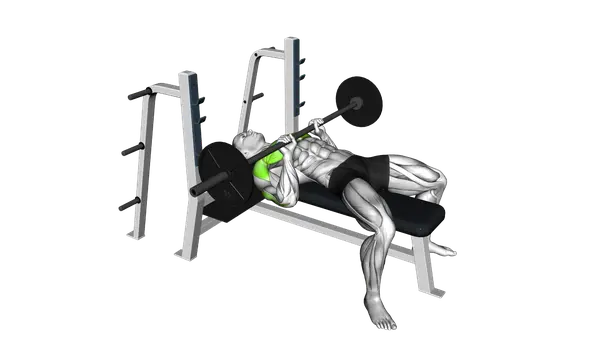
Barbell Bench Press

Barbell Bench Press

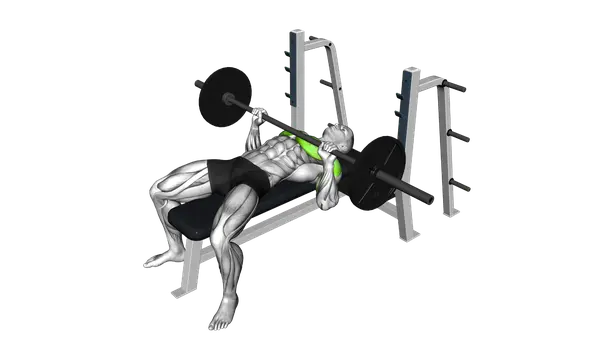
The barbell bench press stands as a cornerstone in strength training, revered by intermediate lifters across powerlifting and bodybuilding communities alike. This compound movement primarily targets the pectoral muscles while significantly engaging the triceps and anterior deltoids, making it an efficient chest developer with impressive strength-building benefits. What makes the bench press particularly valuable is its remarkable ability to overload the upper body pushing muscles with substantial weight, creating the mechanical tension necessary for muscle growth and strength development. For intermediate lifters, this exercise serves as both a reliable strength benchmark and a versatile tool for building a more impressive upper body. The beauty of the bench press lies in its adaptability within various training protocols. Powerlifters typically employ heavier loads with lower repetitions to maximize strength gains, while bodybuilders might incorporate moderate weights with higher volume to stimulate hypertrophy. This versatility allows intermediate athletes to adjust the exercise based on their specific goals without needing to change the movement pattern itself. Beyond the visible physical benefits, the bench press delivers substantial neuromuscular adaptations. The coordination required between the chest, shoulders, and triceps enhances overall pressing strength that transfers to numerous daily activities and other gym movements. Additionally, the stability demands placed on the core and shoulder girdle contribute to improved upper body control and function. For those seeking strength development, few exercises can match the barbell bench press in terms of progressive overload potential. The movement allows for precise weight increments that make tracking progress straightforward and rewarding. This measurability provides intermediate lifters with clear feedback on their development journey, creating both motivation and direction in their training programs. While certainly not the only chest exercise worth performing, the barbell bench press remains an efficient, effective, and evidence-based selection for intermediate lifters looking to develop both strength and muscle mass in their upper body pushing muscles.

Strength
Powerlifting
Bodybuilding
Barbell
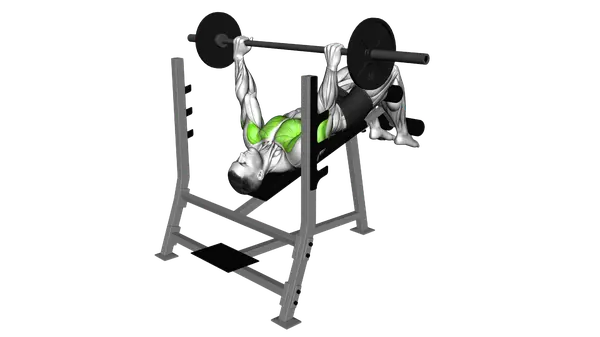
Barbell Decline Bench Press

Barbell Decline Bench Press

The Barbell Decline Bench Press stands as a powerful compound movement that has earned its place in both bodybuilding and powerlifting circles. This intermediate-level exercise predominantly targets the lower portion of the pectoral muscles while engaging the triceps and front deltoids as crucial secondary movers. The unique angle of the decline bench shifts emphasis to the lower chest fibers, creating a more comprehensive pec development when programmed alongside flat and incline variations. Unlike its flat bench counterpart, the decline position reduces shoulder strain for many lifters while allowing for potentially heavier loads due to the shortened range of motion and advantageous leverage. This makes it particularly valuable for strength enthusiasts looking to overload the pressing muscles with substantial weight. The mechanical efficiency of this movement often enables lifters to handle 5-10% more weight than they might on a traditional flat bench. For bodybuilders, the decline bench press delivers that coveted lower pectoral development and contributes significantly to creating a full, balanced chest appearance. The exercise promotes hypertrophy through substantial time under tension and the ability to handle challenging loads. Meanwhile, powerlifters appreciate the carryover strength benefits to competition bench pressing, as the decline variation can help overcome sticking points and build pressing power. Research suggests that EMG activity in the lower pectoral region is notably higher during decline pressing compared to flat or incline variations, confirming its effectiveness for targeting this specific area. This makes it an excellent option for those looking to bring up lagging lower chest development or simply add variety to their pressing movements. While sometimes overlooked in favor of its flat and incline siblings, the decline bench press delivers remarkable strength and muscle-building benefits when properly programmed. Whether incorporated as a primary movement or as an accessory exercise, it offers unique advantages that can help intermediate lifters continue progressing toward their physique and performance goals.

Strength
Bodybuilding
Powerlifting
Barbell
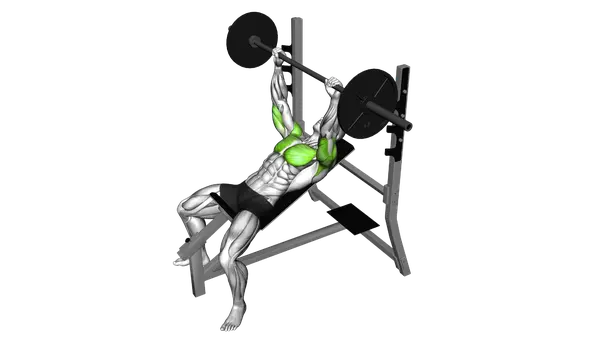
Barbell Incline Bench Press

Barbell Incline Bench Press

The Barbell Incline Bench Press stands as a cornerstone compound movement for developing impressive upper body strength and musculature. This intermediate-level exercise primarily targets the upper pectorals while significantly engaging the anterior deltoids (front shoulders) and triceps as supporting muscle groups. The angled position—typically set between 30 to 45 degrees—shifts emphasis to the upper chest region, creating a balanced development that flat bench pressing alone cannot achieve. Athletes across bodybuilding and powerlifting disciplines incorporate this movement for distinct but complementary purposes. Bodybuilders value the incline press for its ability to sculpt a well-defined chest with full upper pectoral development, preventing the drooping appearance that can result from overdeveloping the lower chest. Powerlifters, while focusing more on flat bench for competition, utilize the incline variation to strengthen supporting muscles that contribute to their overall pressing power and performance. The beauty of the incline barbell press lies in its versatility for strength development. Progressive overload is particularly effective with this movement, allowing lifters to continuously challenge their upper body by incrementally increasing resistance. This steady progression stimulates not just muscle growth but also reinforces the neural pathways responsible for strength expression. Many strength enthusiasts find that improvements in incline press performance correlate with enhanced overall pressing capability. From a physiological perspective, the exercise creates optimal tension through the clavicular fibers of the pectoral muscles while maintaining substantial recruitment of the sternal fibers. This comprehensive activation pattern, combined with significant triceps engagement, makes it an efficient use of training time for those seeking both aesthetic and functional improvements to their upper body. When programmed correctly—typically for 3-4 sets of 6-12 repetitions depending on specific goals—the incline barbell bench press delivers substantial returns on investment, making it a worthy addition to any serious strength or physique-focused regimen.

Strength
Bodybuilding
Powerlifting
Barbell
Close-Grip Barbell Bench Press

Close-Grip Barbell Bench Press

The Close-Grip Barbell Bench Press stands as a powerful compound movement that targets your triceps as the primary muscle group while also engaging your chest. This intermediate-level exercise has earned its place in both powerlifting and bodybuilding regimens for its remarkable strength-building properties. Unlike the standard bench press where your hands are positioned wider, the close-grip variation places your hands roughly shoulder-width apart or slightly closer, shifting substantial tension to the triceps while still recruiting the pectorals. What makes this exercise particularly valuable is its carryover to other pressing movements. As you develop stronger triceps through consistent close-grip work, you'll likely notice improvements in your traditional bench press, overhead press, and even pushing movements in everyday life. The exercise creates significant tension through the triceps' entire range of motion, particularly at the lockout phase where these muscles are most responsible for extending the elbow joint. For powerlifters, the close-grip bench press serves as an excellent accessory movement to build pressing strength through a slightly different mechanical pattern than the competition bench press. Bodybuilders value this exercise for its ability to add thickness and definition to the triceps, particularly the lateral and medial heads, while still providing quality stimulus to the lower chest fibers. The beauty of the close-grip bench press lies in its simplicity and effectiveness. Using a barbell allows for consistent progressive overload—the fundamental principle behind strength development. As an intermediate lifter, you'll appreciate how this movement can help break through plateaus in your training by targeting potential weak points in your pressing chain. The exercise delivers significant training economy: maximum results from minimal equipment, making it a staple in strength programs across various training philosophies. Remember that while this exercise is tremendously effective, proper execution with appropriate weight is essential to maximize benefits while minimizing strain on the wrists, elbows, and shoulders.

Strength
Powerlifting
Bodybuilding
Barbell
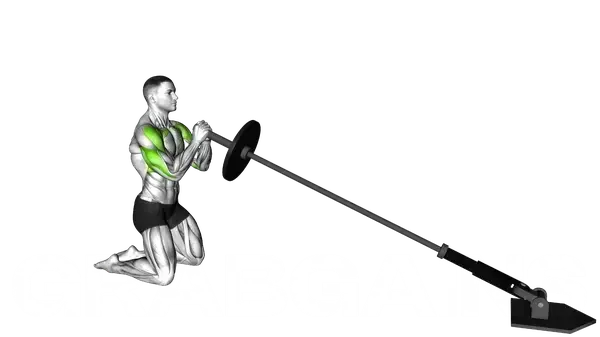
Landmine Kneeling Squeeze Press

Landmine Kneeling Squeeze Press

The Landmine Kneeling Squeeze Press stands as a powerful intermediate chest-building movement that delivers impressive results for those seeking to develop their pecs, front delts, and triceps simultaneously. This versatile exercise finds its home in both bodybuilding routines and high-intensity interval training sessions, offering the perfect blend of controlled resistance and functional strength development. What makes this exercise particularly effective is the unique angle of resistance created by the landmine setup, which provides a natural arc of movement that many lifters find more shoulder-friendly than traditional pressing patterns. The kneeling position eliminates lower body involvement, forcing your upper body musculature to handle the entire workload while simultaneously engaging your core as a stabilizer. The "squeeze" component – actively pressing the weights together throughout the movement – adds a distinctive intensity to the exercise by creating constant tension across the chest fibers. This isometric element transforms what might otherwise be a standard press into a muscle-building powerhouse, particularly for developing that coveted inner chest definition that many bodybuilders pursue. From a strength development perspective, the Landmine Kneeling Squeeze Press offers significant benefits for athletes looking to improve pressing power from various positions. The exercise builds resilient shoulder joints and creates functional strength that transfers well to sports performance and daily activities requiring pushing movements from a variety of angles. For those who find traditional bench pressing uncomfortable or have reached plateaus in their chest development, this exercise provides a fresh stimulus that often recruits muscle fibers that might be undertrained with conventional movements. The unilateral option also makes it excellent for addressing strength imbalances between sides. As with any pressing movement, proper bracing and shoulder positioning remain crucial for maximizing results while minimizing injury risk.

Strength
Bodybuilding
HIIT
Barbell

Why barbell work delivers strong results

Benefits of training chest with a barbell

Barbell pressing allows higher loads than most other chest training methods. This improves force output, overall strength, and long-term progression. It also trains the full pressing chain: chest, triceps, and front delts. Different bench angles help you shift the emphasis toward upper, mid, or lower-chest fibers. Combined, these factors make barbell exercises a reliable foundation for both strength and hypertrophy. Key advantages:

  • Heavy and stable loading
  • Full upper-body pressing mechanics
  • Strong progressive overload potential
  • Balanced activation of chest, triceps, and shoulders
  • Useful across strength and hypertrophy phases

How these lifts fit into a weekly program

When to include barbell chest exercises

Barbell pressing works best at the start of a workout, when energy and stability are highest. These movements are commonly used in push days, upper or lower splits, strength blocks, and hypertrophy programs. Most lifters train barbell chest exercises one or two times per week. Total weekly volume usually ranges from six to twelve working sets, depending on experience and recovery. Because a barbell supports heavier loads, these lifts are ideal for building top-end strength and improving overall pressing performance.

The most valuable movements for building strength and size

Key barbell chest exercises

The most valuable movements for building strength and size:

  1. Barbell bench press: Targets the mid-chest, triceps, and shoulders. Effective for strength progression and full-chest development.
  2. Barbell decline bench press: Shifts emphasis toward the lower chest. Often allows slightly heavier loading due to favorable mechanics.
  3. Barbell incline bench press: Focuses on the upper chest and shoulders. Helps create balanced chest development across different angles.
  4. Close-grip barbell bench press: Places greater load on the triceps while still engaging the chest. Useful for developing lockout strength.
  5. Landmine kneeling squeeze press: A barbell-based variation offering controlled chest activation. Helpful for targeted hypertrophy and shoulder-friendly pressing.

Summary of barbell chest variations

Exercise Primary focus Training goal
Barbell bench press Mid chest, triceps Strength and hypertrophy
Barbell decline bench press Lower chest Strength and mass
Barbell incline bench press Upper chest, shoulders Upper-chest development
Close-grip bench press Triceps, inner chest Lockout strength
Landmine kneeling squeeze press Chest activation Targeted hypertrophy

Placing these lifts in your routine

How to integrate barbell chest exercises

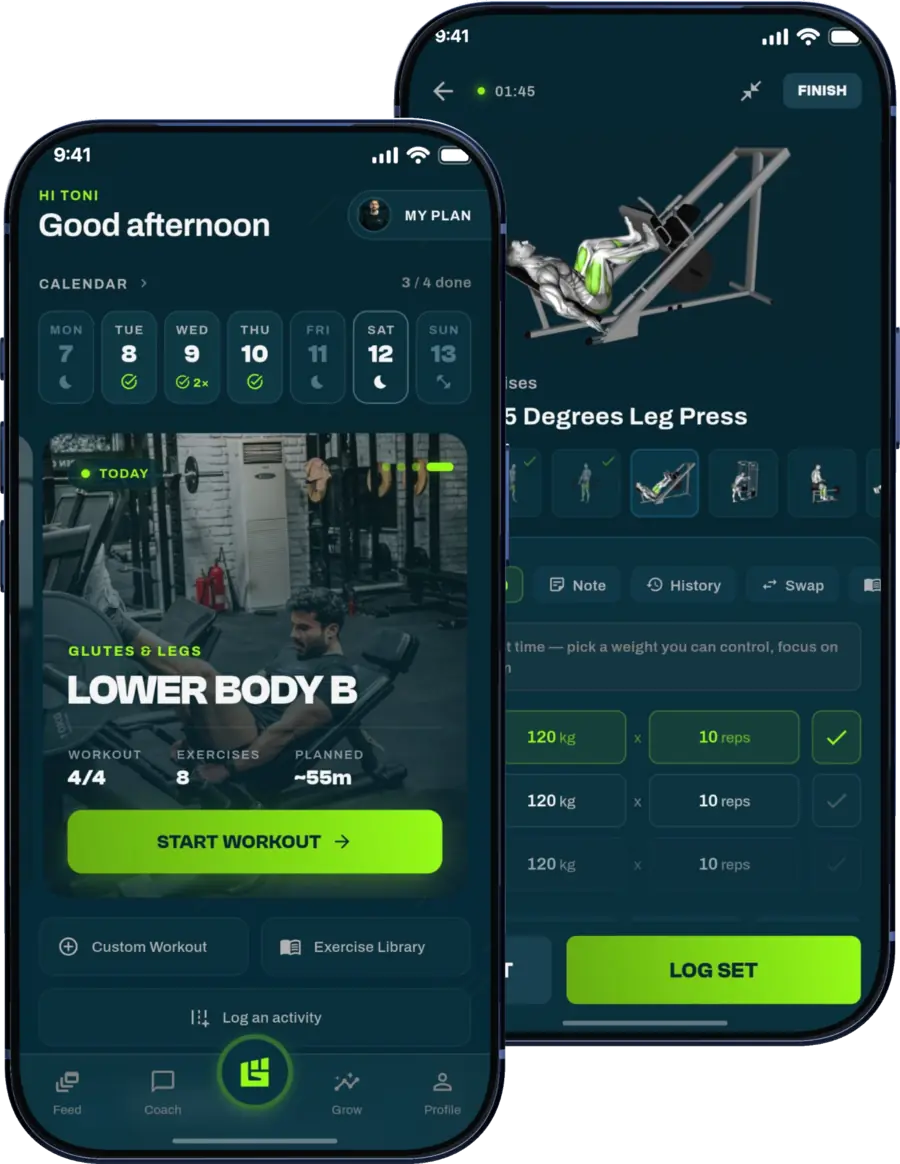
Most lifters start their training session with one or two barbell chest movements. Heavier sets are followed by dumbbell presses, fly variations, or triceps accessories. Progression can be based on increasing weight, reps, or total weekly volume. Rotating bench angles also helps maintain long-term progress. Create your personal training program in the app tailored to your goals, fitness level, and schedule.

Frequently asked questions about chest exercises with barbell

How much weight should I start with?

Beginners often start with the bar alone to learn proper control. Weight can increase gradually based on performance and consistency. The same approach applies to incline, decline, and close-grip pressing.

What muscles do barbell chest exercises target?

Barbell chest exercises primarily train the pectoralis major, but they also involve the triceps and front delts. Adjusting bench angles allows you to emphasize mid-, upper-, or lower-chest fibers. Movements like incline and decline pressing support more balanced development.

How do I get the most out of barbell chest training?

Place heavy barbell lifts at the start of your session and progress the load or reps consistently. Keep a stable setup, use full range of motion, and rotate bench angles to cover all chest regions. Monitoring weekly volume helps ensure sustainable progress.

How often should I train barbell chest exercises?

Most people benefit from performing these movements once or twice per week. Frequency depends on total training volume, experience level, and overall recovery demands. Splitting sessions across the week can reduce fatigue and improve performance.

Can barbell exercises replace other chest equipment?

A barbell covers all major pressing patterns, making it possible to build a strong and well-developed chest. However, adding dumbbell or machine variations improves range of motion, stability, and targeted isolation. Many lifters combine barbell work with accessories for the best results.


Built for progress

Take the guesswork out of training

Create personalized AI-powered workout plans that evolve with you. Train smarter, track every rep and keep moving forward, one workout at a time.

Be among the first to join!
GrabGains workout plans

Integrate chest exercises with barbell into full-body and split routines
Related workouts