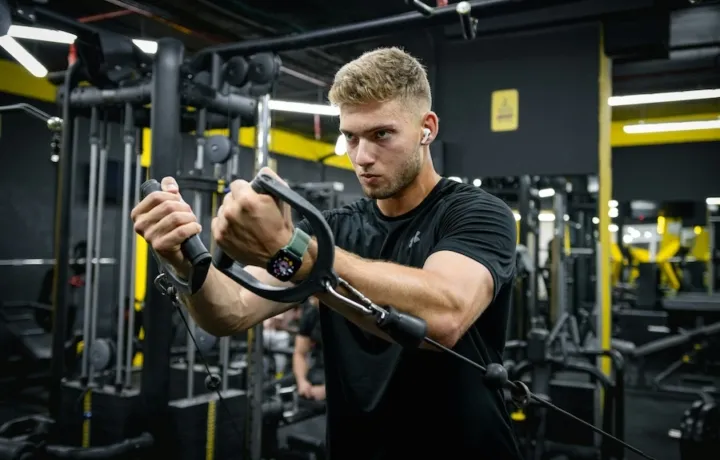
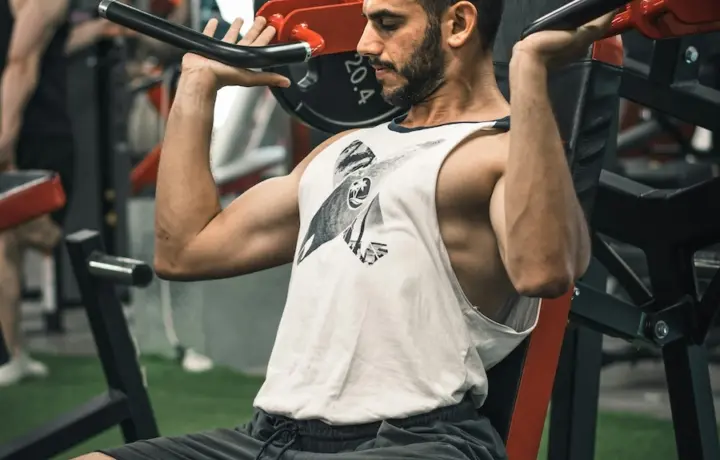
Exercises that build stable, targeted chest strength with controlled resistance
Chest exercises with machine
Machine chest exercises provide a stable and predictable resistance path, making them ideal for lifters who want consistent tension and joint-friendly training. Because machines guide the movement pattern, they allow you to focus fully on chest activation without worrying about balancing the weight. These qualities make machine exercises valuable for hypertrophy, strength progression, and accessory work across all experience levels.
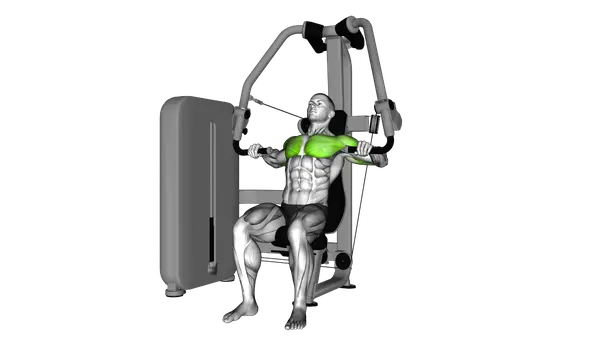
Lever Chest Press
The Lever Chest Press is a machine-based pressing exercise that builds chest strength with a controlled path and reduced joint strain.
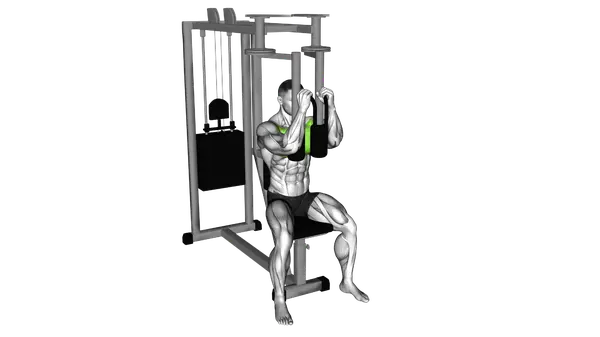
Lever Pec Deck Fly
The Lever Pec Deck Fly isolates the chest muscles with a fixed movement path, delivering constant tension and precise muscle activation.
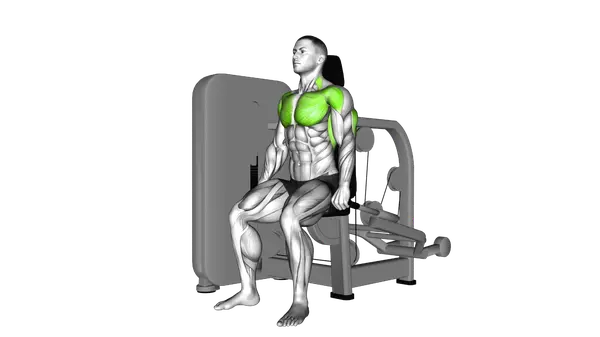
Lever Seated Dip
The Lever Seated Dip is a machine-based pressing exercise used to strengthen the chest and triceps with guided support.
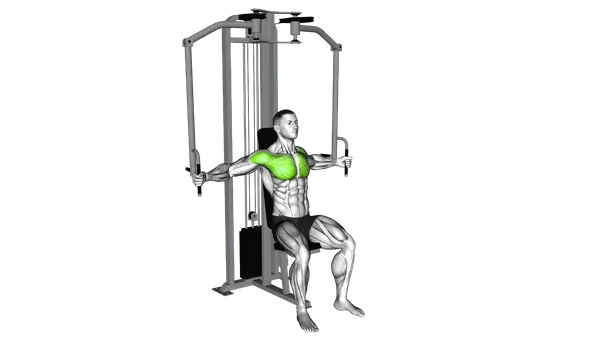
Lever Seated Fly
The Lever Seated Fly is a machine-based isolation exercise designed to target the chest through a controlled horizontal adduction movement.
Why machines support strength, safety and targeted muscle growth
Benefits of training chest with machines
Machines allow you to train the chest with controlled resistance and reduced stabilizer demands, making it easier to isolate specific areas of the pectorals. Their guided paths support consistent technique, help manage fatigue, and allow safe overload even at higher intensities. Machine variations are especially effective for building volume and maintaining tension throughout the full range of motion.
Key advantages:
- Stable and predictable resistance path
- Easier isolation of upper, mid, and lower chest fibers
- Reduced joint and stabilizer demands
- Safe to train close to failure
- Ideal for hypertrophy and high-volume accessory work
How these movements fit into your weekly training routine
When to use machine chest exercises
Machine chest exercises work well after heavy barbell or dumbbell presses, where stability demands become more challenging under fatigue. They fit naturally into push days, upper-body hypertrophy sessions, or full-body training plans that require controlled, repeatable volume. Many lifters use machine variations one to three times per week to increase training volume without adding unnecessary joint stress.
Movements worth prioritizing for chest hypertrophy and stable strength
Key machine chest exercises
Below are the five most valuable machine chest exercises on this page. These movements combine stability, predictable resistance, and targeted activation for complete chest development.
- Lever chest press: A foundational pressing movement that targets the mid-chest with controlled resistance and minimal stabilizer demand.
- Lever pec deck fly: A strict isolation exercise ideal for creating stretch and contraction in the chest, supporting hypertrophy and shaping.
- Lever seated dip: A compound machine variation that targets the lower chest and triceps with a deep pressing range.
- Lever seated fly: A guided fly movement that emphasizes chest isolation while reducing shoulder strain, producing smooth tension across the pecs.
- Machine chest press (standard chest machine): A versatile pressing machine used in most gyms that supports progressive overload and balanced chest development without complex setup.
Exercise overview
| Exercise | Primary focus | Training goal |
|---|---|---|
| Lever chest press | Mid chest | Strength and hypertrophy |
| Lever pec deck fly | Chest isolation | Hypertrophy and shaping |
| Lever seated dip | Lower chest + triceps | Strength and mass |
| Lever seated fly | Chest isolation | Controlled hypertrophy |
| Machine chest press | Entire chest | Progressive overload |
Placing these movements inside your program
How to integrate machine chest exercises
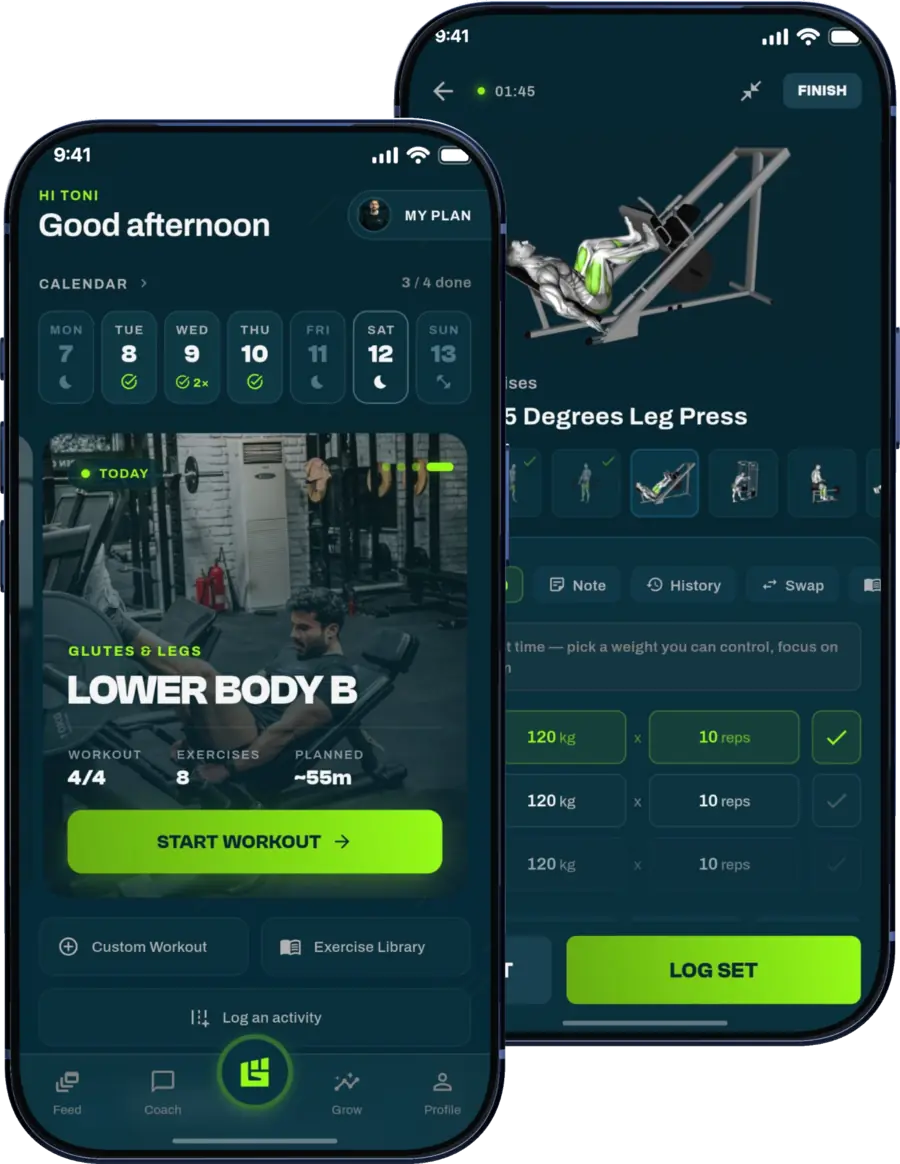
Machine chest exercises work well later in the workout once free-weight presses have provided the main strength stimulus. Their stability allows for high-repetition sets, drop sets, and focused hypertrophy work without compromising form. Combining pressing and fly variations ensures balanced chest development and consistent training volume. Create your personal training program in the app tailored to your goals, fitness level, and schedule.
Frequently asked questions about chest exercises with machines
Adjust the machine to your body size, use full range of motion, and maintain tension throughout each rep. Train close to failure on controlled sets to maximize hypertrophy. Pair machine presses with fly variations for complete chest activation.
Machine chest workouts primarily target the pectoralis major while also engaging the triceps and front delts. Variations like the pec deck fly isolate the chest more directly, while pressing movements recruit supporting muscles to a greater degree. Adjusting seat height or machine angle helps emphasize different areas of the chest.
Machines can build significant strength and size, especially when used for consistent tension and targeted hypertrophy. However, combining machines with free-weight presses supports fuller strength development and better overall movement capacity.
Begin with a weight that allows smooth, controlled repetitions without losing posture or range of motion. Machines often feel different than free weights, so choose a load that allows you to learn the resistance curve first. Increase gradually as technique becomes consistent.
Most lifters use machine chest movements one to three times per week depending on their program. Machines are joint-friendly and suitable for higher training volumes, making them a good option for hypertrophy and accessory work.
Built for progress
Take the guesswork out of training
Get a personalized workout plan built around your goal, equipment and schedule. Train smarter, track every rep and keep moving forward, one workout at a time.




Find related pages
Explore related exercises, workouts, and routines to expand your training and reach your goals more efficiently.