Oefeningen vergeleken
Pull-Ups vs Lat Pulldowns: Which Builds a Wider Back?
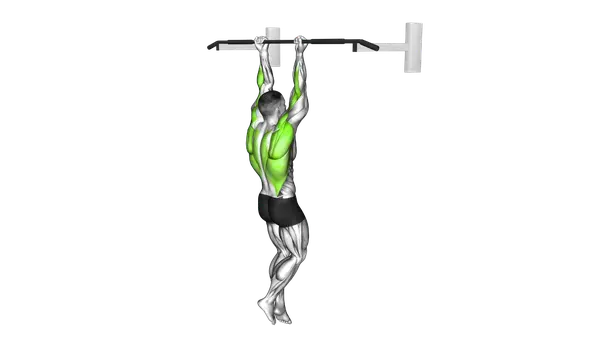
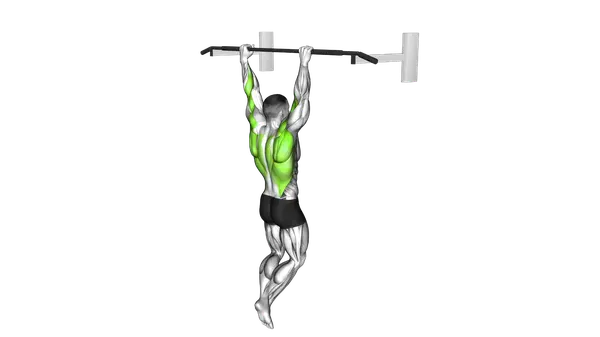
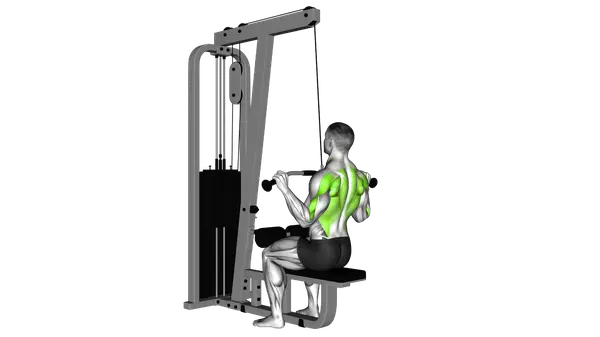
Pull-ups and lat pulldowns train the same muscles in the same movement pattern. One uses your body weight, the other uses a cable machine. So why would you choose one over the other? The answer comes down to your current strength level and what you're trying to achieve.
Pull Up vs Lat Pulldown
In één oogopslag
| Kenmerk | Pull Up | Lat Pulldown |
|---|---|---|
| Primaire spieren | Brede rugspieren, Biceps | Brede rugspieren |
| Secundaire spieren | Biceps, Onderarmen | Biceps |
| Apparatuur | Lichaamsgewicht | Kabel |
| Moeilijkheid | Gevorderd | Beginner |
| Type | Compound | Isolatie |
| Krachtrichting | Pull | Pull |
01
The strength barrier
Here's the uncomfortable truth: many people can't do pull-ups. And that's completely okay. A pull-up requires you to lift your entire body weight, which is a high bar for beginners and heavier individuals.
Lat pulldowns let you choose the weight. You can start with 30kg and work your way up. This makes them accessible to everyone, regardless of starting strength. If you can't do pull-ups yet, lat pulldowns are how you build the strength to get there.
02
Which activates more muscle?
Pull-ups win here. When you hang from a bar and pull yourself up, your core, grip, and stabilizer muscles all have to work hard just to keep your body steady. Overall muscle activation is typically higher during pull-ups compared to pulldowns.
But higher muscle activation doesn't always mean more growth. If you can only do 3 sloppy pull-ups, you'll build more muscle doing 3 clean sets of 10 on the pulldown. Volume and quality matter more than activation percentages.
03
Getting a good stretch
Both exercises can give your lats a great stretch at the bottom of the movement. But many people find it easier to control the stretch on a pulldown because the machine keeps the movement smooth and consistent.
On pull-ups, the bottom position (hanging with straight arms) gives an excellent lat stretch, but it requires good shoulder mobility. If you feel pinching at the top of your shoulders when hanging, work on your mobility before doing full pull-ups.
04
Progressive overload
This is where pulldowns have a practical advantage. Adding 2.5kg to a cable stack is easy. Adding weight to pull-ups means wearing a belt with plates hanging from it — which is effective but less convenient.
With pull-ups, your options for progression are: do more reps, slow down the movement, or add external weight. With pulldowns, you just move the pin down one notch. For consistent, measurable progress, pulldowns make it simpler.
De conclusie
If you can do at least 8 clean pull-ups, make them your primary back exercise — they build more total upper-body strength and look impressive. If you can't do that many yet, use lat pulldowns to build your base strength. The ideal approach: start with pull-ups, then switch to pulldowns for additional volume.
Wat is je fitnessdoel?
Kies er één en de app bouwt je programma daaromheen, om je materiaal en om de dagen dat je kunt trainen.
Goed om te weten
Veelgestelde vragen
When you can pulldown roughly your body weight for 8-10 reps with good form, you're likely strong enough for pull-ups. Assisted pull-ups are also a great bridge between the two.
For both exercises, a grip slightly wider than shoulder-width works best for most people. Going very wide reduces your range of motion and doesn't hit the lats any better.