Losing weight too fast
A loss of more than 1% of body weight per week makes it harder to keep muscle.
Seasonal cut
A summer shred is a fat-loss phase of roughly 8 to 12 weeks, timed to end when summer or a holiday begins. The goal is to lower body fat while keeping muscle and strength. The timing, deficit size, protein intake and training set out below follow the research on weight loss in strength-trained people, much of it from bodybuilding contest preparation.
Last updated:
Short answer
Start 8 to 12 weeks before the target date and eat enough below maintenance to lose 0.5 to 1% of body weight per week, usually a deficit of at most 500 kcal a day. Eat 2.3 to 3.1 g of protein per kg, keep lifting with similar loads and add cardio only as needed.
A summer shred is a time-limited cut: a period of controlled energy deficit, usually 8 to 12 weeks, planned to end when summer or a holiday begins. "Shredded" describes low body fat with visible muscle definition. The aim is to lose fat with as little muscle loss as possible, which is what separates a cut from a crash diet. The method comes from bodybuilding contest preparation, where an evidence-based review recommends setting calorie intake so that body weight falls by about 0.5 to 1% per week to maximise muscle retention [1].
The term has no official rules or creator. On social media it covers anything from structured diet and training plans to short challenges. The elements that recur in the research are a moderate energy deficit, a high protein intake, continued strength training and a limited amount of cardio. A fixed end date also creates pressure to speed up in the last weeks. Other seasonal and 30-day formats are compared in the overview of fitness challenges.
Start 8 to 12 weeks before the target date; for the end of June, that means between late March and late April. The window follows from the recommended rate of 0.5 to 1% of body weight per week [1]: over 8 to 12 weeks, that adds up to roughly 4 to 12% of starting weight. With more to lose, an earlier start is the better option than a faster rate.
A slower rate also protects muscle. In a randomised trial with 24 elite athletes who all did four strength sessions a week, the group aiming for a weekly loss of 0.7% took 8.5 weeks on average and gained 2.1% lean body mass. The group aiming for 1.4% per week (achieving 1.0%) finished in 5.3 weeks with no change in lean mass [2].
| Weeks before target date | Phase | Focus |
|---|---|---|
| 13 | Baseline | Weigh in every morning for a week, estimate maintenance intake, fix the training days |
| 12–9 | Start of the cut | Intake up to 500 kcal below maintenance, protein target, same training loads |
| 8–5 | Middle | Compare weekly averages; adjust intake or steps if the loss falls outside 0.5–1% per week |
| 4–1 | Final weeks | Same deficit and training; no extra cuts in food, water or salt |
| 0 onwards | Maintenance | Raise intake to maintenance in steps; keep protein and strength training |
Pick one and the app builds your program around it, your equipment and the days you can train.
At 0.5 to 1% per week, a person weighing 80 kg (176 lb) loses 0.4 to 0.8 kg a week: about 3 to 6.5 kg in 8 weeks and 5 to 9.5 kg in 12 weeks [1]. The table applies the same rate to other body weights.
Scale weight combines fat, lean mass, water and the contents of the gut, so single weigh-ins fluctuate from day to day. A weekly average of morning weigh-ins shows the trend more reliably than any one measurement. The scale also does not show what was lost: in the trial with elite athletes, a similar weight loss of about 5.5% came with a fall in fat mass of 31% in the slower group and 21% in the faster group [2].
| Starting weight | Per week | After 8 weeks | After 12 weeks |
|---|---|---|---|
| 60 kg (132 lb) | 0.3–0.6 kg | 2.4–4.8 kg | 3.6–7.2 kg |
| 70 kg (154 lb) | 0.35–0.7 kg | 2.8–5.6 kg | 4.2–8.4 kg |
| 80 kg (176 lb) | 0.4–0.8 kg | 3.2–6.4 kg | 4.8–9.6 kg |
| 90 kg (198 lb) | 0.45–0.9 kg | 3.6–7.2 kg | 5.4–10.8 kg |
| 100 kg (220 lb) | 0.5–1.0 kg | 4.0–8.0 kg | 6.0–12.0 kg |
The deficit should be large enough for a loss of 0.5 to 1% of body weight per week and, when keeping muscle is a goal, no larger than about 500 kcal a day. A 2022 meta-analysis of trials that combined strength training with an energy deficit for at least three weeks found that a deficit of around 500 kcal per day prevented gains in lean mass; the authors advise against deficits above 500 kcal per day when the aim is to preserve lean mass during weight loss [3]. In the athlete trial, the slower group ate 19% less than before and the faster group 30% less [2].
A practical starting point is the estimated maintenance intake from the macro calculator, minus up to 500 kcal. That figure is an estimate. The widely used rule that 3,500 kcal equals one pound of body weight (about 7,700 kcal per kg) grossly overestimates actual weight loss when checked against controlled experiments; dynamic models that account for changes during weight loss predict the outcome far more accurately [4].
The weekly average weight therefore decides the adjustments. If the average falls by less than 0.5% a week for two weeks in a row, intake goes down slightly or daily walking goes up; if it falls by more than 1%, intake goes up a little. A maintenance estimate based on an activity level already includes gym sessions, and adding them again counts the training twice, as explained under calories burned during strength training.
Recommended protein intakes are higher during a cut, particularly for lean, resistance-trained people. The International Society of Sports Nutrition (ISSN) states that 2.3 to 3.1 g per kg of body weight per day may be needed to maximise the retention of lean mass during hypocaloric periods, against 1.4 to 2.0 g/kg for most exercising people [5]. The bodybuilding review gives the same range per kg of lean body mass [1], which yields lower totals for people with more body fat. Daily targets outside a cut are covered in how much protein per day.
A randomised trial shows the effect. Young men ate about 40% below their energy needs for four weeks and trained six days a week with weights and interval training. With 2.4 g/kg of protein they gained 1.2 kg of lean mass and lost 4.8 kg of fat, against 0.1 kg and 3.5 kg with 1.2 g/kg [6]. Exercise performance improved equally in both groups [6].
The ISSN advises spreading protein over the day in servings of about 0.25 g/kg, or 20 to 40 g, every three to four hours [5]. Meal examples around training are listed under what to eat before and after strength training.
| Body weight | Most exercising people (1.4–2.0 g/kg) | Cut, lean and trained (2.3–3.1 g/kg) |
|---|---|---|
| 60 kg (132 lb) | 84–120 g | 138–186 g |
| 70 kg (154 lb) | 98–140 g | 161–217 g |
| 80 kg (176 lb) | 112–160 g | 184–248 g |
| 90 kg (198 lb) | 126–180 g | 207–279 g |
| 100 kg (220 lb) | 140–200 g | 230–310 g |
Yes. Strength training is what keeps muscle during an energy deficit, and it should continue with similar loads. A 2022 meta-analysis of 114 trials in people with overweight or obesity found that resistance training combined with caloric restriction reduced fat mass by 5.3 kg and body fat by 3.8 percentage points compared with no intervention, while lean mass was maintained (about −0.3 kg, not significant) [7].
Strength holds up well in a deficit. The meta-analysis on energy deficits found that strength gains were comparable with and without a deficit, even though lean-mass gains were impaired [3]. There is no need to switch to light weights and high repetitions to "tone": a review on contest preparation states that the anabolic effect of resistance training can mitigate muscle loss and recommends doing most repetitions in the 6 to 12 range at 70 to 80% of the one-repetition maximum (1RM) [8].
The same review recommends training each muscle group at least twice a week, roughly 40 to 70 repetitions per muscle group per session, 1 to 3 minutes of rest between sets and a core of multi-joint exercises such as the barbell squat [8]. Training to failure should be limited on heavy, taxing exercises and kept mainly for single-joint exercises and higher repetitions [8].
A week with four strength sessions, split into upper and lower body, trains each muscle group twice and leaves room for walking and rest. The athletes in the weight-loss trial also did four strength sessions a week [2], and twice-weekly training per muscle group matches the recommendation for contest preparation [8].
With three training days available, three full-body sessions cover each muscle group three times a week. Ready-made splits for both set-ups are listed under workout routines.
| Day | Session | Content |
|---|---|---|
| Monday | Lower body A | 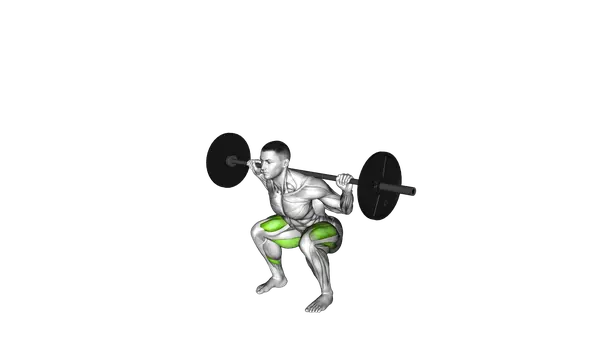 Squat Squat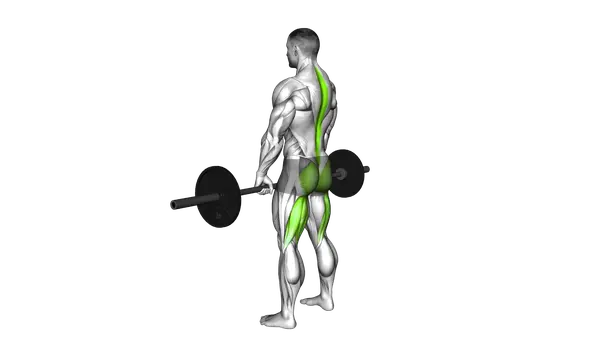 Romanian deadlift Romanian deadlift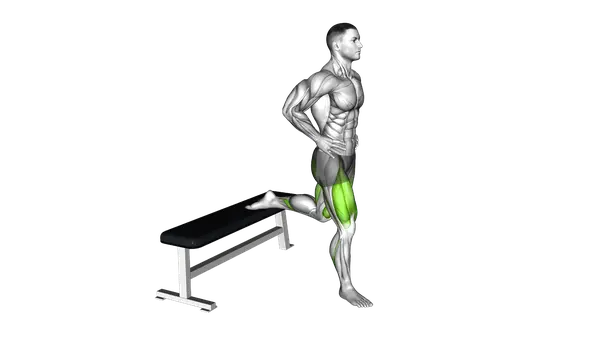 Bulgarian split squat Bulgarian split squat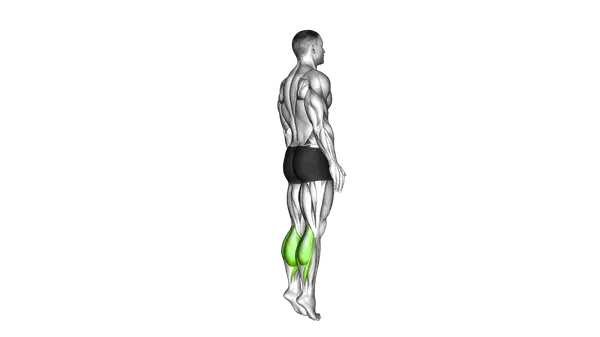 Calf raise Calf raise |
| Tuesday | Upper body A | 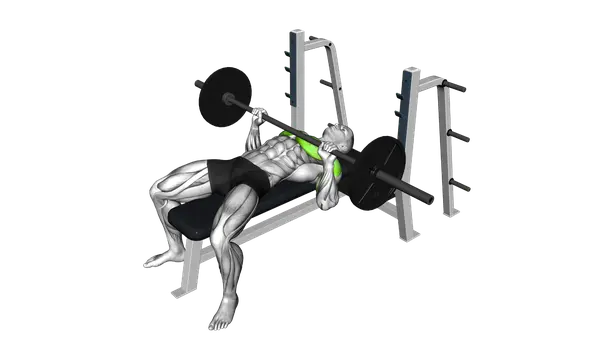 Bench press Bench press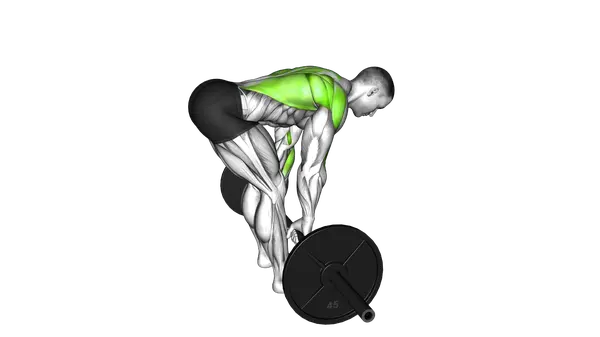 Barbell row Barbell row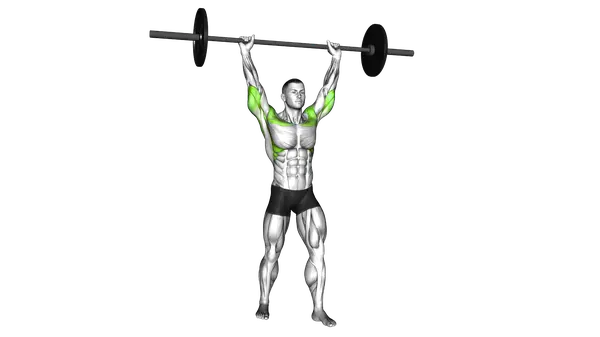 Overhead press Overhead press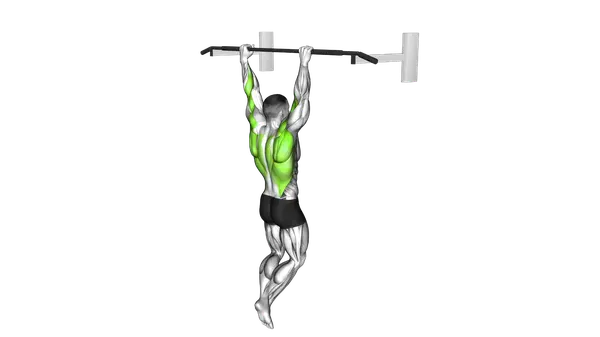 Pull-up Pull-up |
| Wednesday | Walking or easy cycling | Low intensity, no strength work |
| Thursday | Lower body B | 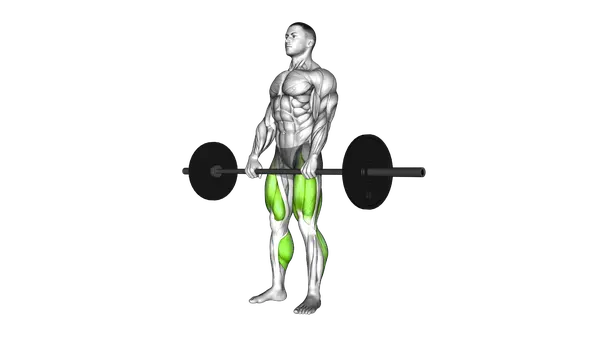 Deadlift Deadlift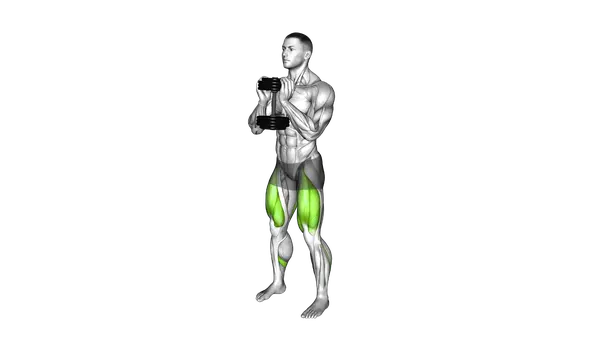 Goblet squat Goblet squat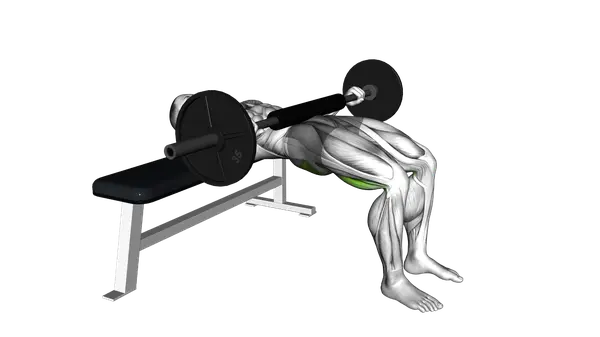 Hip thrust Hip thrust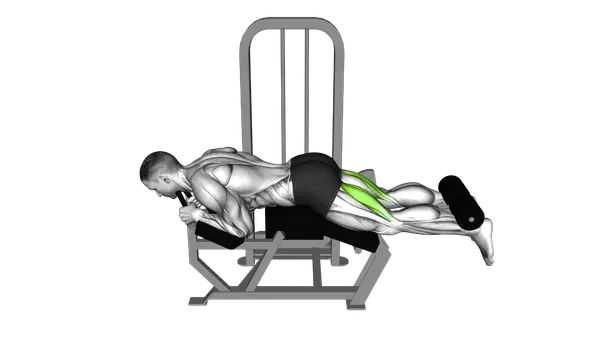 Leg curl Leg curl |
| Friday | Upper body B |  Incline dumbbell press Incline dumbbell press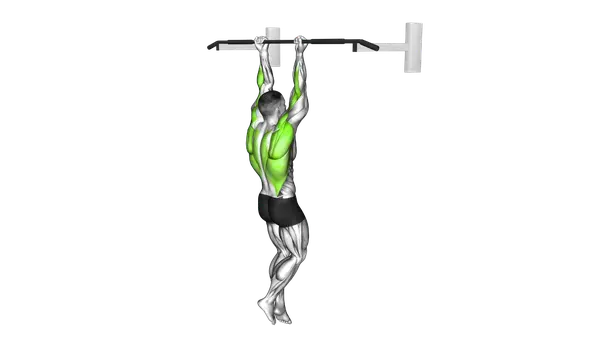 Chin-up Chin-up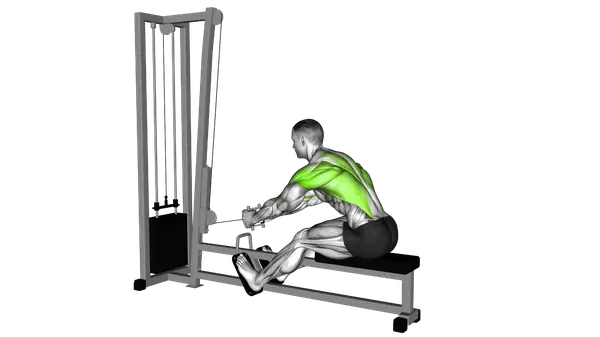 Seated cable row Seated cable row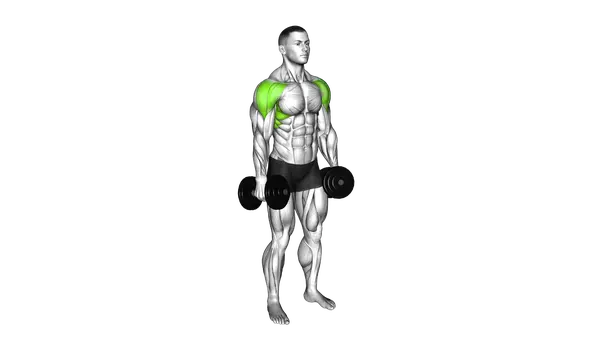 Lateral raise Lateral raise |
| Saturday | Optional cardio | Cycling, rowing or a sport at an easy to moderate pace |
| Sunday | Rest | Daily walking only |
Cardio should stay at the lowest amount that still produces the target rate of loss. The review on contest preparation notes that cardio can enhance fat loss, but that interference with strength adaptations rises with its frequency and duration; it therefore recommends the lowest frequency and duration that achieve sufficient fat loss [8]. Full-body forms of cardio or cycling may reduce that interference, and fasted cardio may have no benefit over cardio after a meal and could be detrimental [8].
Walking adds to energy expenditure without a hard session. A meta-analysis of nine pedometer-based walking programmes without a dietary intervention found an average weight loss of 1.27 kg over a median of 16 weeks, about 0.05 kg per week [9]. Longer programmes produced more weight loss [9]. On its own that effect is modest, so daily steps work best as an adjustable addition to the calorie deficit.
Cutting faster in the final weeks works against the goal. Deficits above about 500 kcal a day make it harder to keep lean mass [3], and in the athlete trial the faster regimen, with a 30% cut in energy intake, produced no gain in lean mass while the slower one did [2]. Cutting water or salt in the last days, a practice taken from bodybuilding competitions, can be dangerous and may not improve appearance [1].
The speed of weight loss does not appear to decide how much weight returns. In a randomised trial with 200 adults with obesity, participants who lost weight in 12 weeks and those who took 36 weeks had both regained about 71% of the lost weight after 144 weeks [10].
Aesthetic goals carry a risk of their own: the review on contest preparation warns of an increased risk of eating and body image disorders in aesthetic sport [1]. People with a medical condition, a history of eating disorders, or who are pregnant should consult a doctor or dietitian before starting a cut.
A loss of more than 1% of body weight per week makes it harder to keep muscle.
Replacing strength training with cardio removes the main signal that keeps muscle during a deficit.
An intake well below 2.3 g/kg leaves lean mass less protected during a cut, especially in lean, trained people.
Returning straight to old eating habits brings most of the weight back, regardless of how quickly it was lost.
After the target date, calorie intake goes up to the estimated maintenance level while protein and strength training stay the same. The goal of this phase is a stable weekly average weight. Raising intake in steps over a few weeks, while watching that average, shows where the new maintenance level lies.
Maintenance needs the same structure as the cut. In the trial on rapid versus gradual weight loss, most of the lost weight had returned in both groups within 144 weeks [10]. Regular weigh-ins, a protein target and fixed training days make a return to the old weight visible early.
In autumn, a new training block can follow. The Winter Arc is a roughly three-month block from October to December that focuses on regular training and habits.
Good to know
Most summer shreds last 8 to 12 weeks. At the recommended loss of 0.5 to 1% of body weight per week, that period covers a loss of roughly 4 to 12% of starting weight. A shorter cut requires a faster rate, which makes it harder to keep muscle; a larger goal requires an earlier start.
Only with little fat to lose. In four weeks, a loss of 0.5 to 1% per week amounts to 2 to 4% of body weight, about 1.6 to 3.2 kg at 80 kg. A faster loss increases the risk of losing muscle, so a late start calls for a smaller goal rather than a stricter diet.
For a holiday in early July, start between early April and early May, which is 8 to 12 weeks before departure. Starting a week earlier with a baseline of morning weigh-ins and an estimate of maintenance intake makes the first adjustments more accurate.
Some people can, but it is not the rule. In controlled trials, athletes losing about 0.7% of body weight per week and young men eating 2.4 g/kg of protein gained lean mass during a deficit. A meta-analysis found that a deficit of about 500 kcal a day prevents lean-mass gains on average.
The evidence does not show an advantage. A review on bodybuilding contest preparation concluded that fasted cardio may have no benefit over cardio after a meal and could be detrimental. The weekly energy deficit determines fat loss, so the timing of cardio relative to meals can follow personal preference and schedule.
No specific step target has been established for fat loss. Walking programmes without a diet led to an average loss of about 0.05 kg per week, so steps are best used as an adjustable addition to the calorie deficit. A stable daily average makes the weekly weight trend easier to interpret.
None are required. A review on bodybuilding contest preparation found beneficial effects relevant to dieting for creatine monohydrate, caffeine and beta-alanine, while other popular supplements showed no clear benefit or needed more research. Protein powder is a convenient way to reach a high protein target, but food works equally well.
A cut aims for a loss of about 0.5 to 1% of body weight per week with high protein and continued strength training, so that most of the loss is fat. A crash diet cuts intake far below maintenance for quick results on the scale, which increases the loss of lean mass and does not reduce later weight regain.
Sources

































