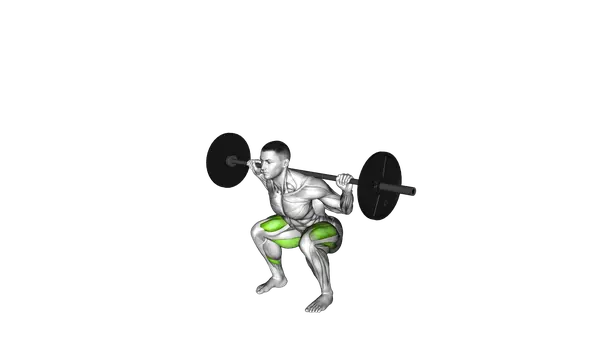
The barbell squat usually creates the highest overall spinal loading because it supports the greatest external loads and requires the trunk to stabilize a bar on the back. It is effective for strength development, but it also demands more bracing skill, shoulder positioning, and confidence under a heavy bar.
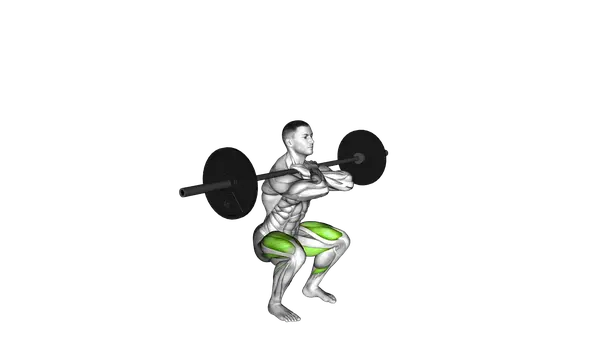
The barbell front squat reduces the forward moment on the trunk by keeping the load in front and the torso more vertical. That can make it a useful option when you want a squat pattern with less torso lean, although it requires more ankle mobility and enough wrist, shoulder, and thoracic mobility to hold the front rack position.
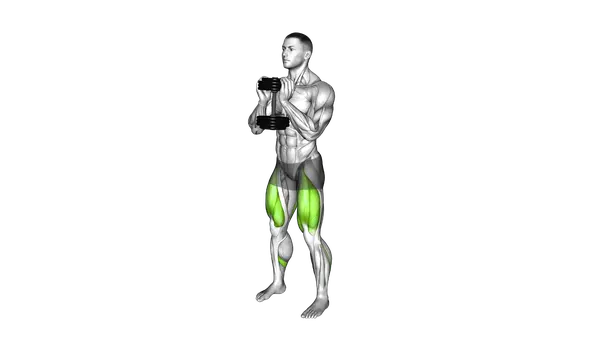
The dumbbell goblet squat has the lowest technical barrier. The front-held dumbbell helps balance, the load is easy to drop if needed, and the movement usually requires less spinal loading than barbell squats because the total load used is lower.
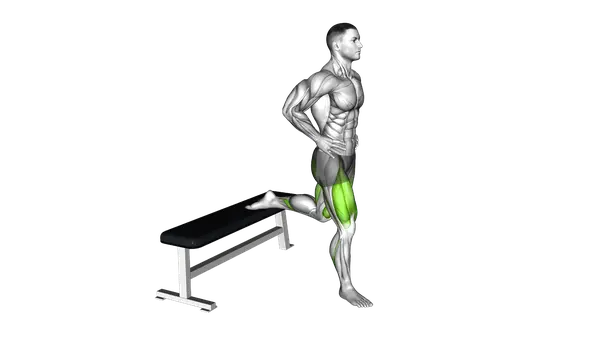
The Bulgarian split squat reduces the need for a rack and limits total spinal loading compared with heavy bilateral barbell squats, but it raises balance and hip mobility demands. Rear-foot elevation can also make setup quality more important, since stride length changes whether the movement feels more knee-dominant or more hip-dominant.