Alternate Heel Touches
Reviewed by Tim Renting, Physiotherapist
The Alternate Heel Touches is a simple core exercise that builds control and endurance by using small side-to-side movements under tension.

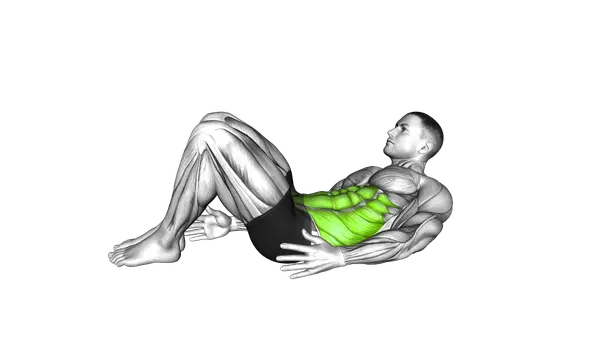
Alternate Heel Touches
Muscles Worked: Alternate Heel Touches
Alternate Heel Touches work mainly your side abs (obliques) and your six-pack muscle (rectus abdominis). Your side abs power the reach from side to side, while your six-pack keeps your upper body curled up and off the floor. Deeper core muscles help keep your torso steady and the movement controlled. Since this exercise uses just your bodyweight with lots of reps, it's better for building core endurance than for building serious muscle size.
Built for progress
Take the guesswork out of training
Get a personalized workout plan built around your goal, equipment and schedule. Train smarter, track every rep and keep moving forward, one workout at a time.






Technique and form
How to perform the Alternate Heel Touches
- Lie flat on your back with your knees bent and feet flat on the floor, about hip-width apart.
- Place your arms alongside your body with your fingertips pointing toward your heels.
- Brace your core and lift your head, shoulders, and upper back slightly off the floor to create tension in your abs.
- Exhale as you reach your right hand toward your right heel by bending your torso to the side.
- Inhale as you return to the center while keeping your shoulders slightly elevated off the floor.
- Exhale as you reach your left hand toward your left heel in the same controlled motion.
- Continue alternating sides at a steady pace while keeping tension through your abs and obliques.
- Keep the movement small and controlled, focusing on side bending rather than twisting.
Important information
- Keep your lower back controlled against the floor throughout the exercise.
- Do not turn the movement into a twist or crunch straight upward.
- Reach through your torso, not just with your arms.
- Keep your neck relaxed and avoid shrugging your shoulders.
- Focus on controlled side-to-side reps rather than speed or momentum.
Is Alternate Heel Touches effective for endurance?
Yes. Alternate Heel Touches are effective for core endurance because they keep your midsection working for a long stretch of time with constant tension and lots of repeated reps, which is exactly what endurance-focused training is built around. They are not a top choice for building a lot of muscle, but they are useful for teaching your abs to keep working without losing position.
- Long time under tension — Every rep keeps your shoulders slightly off the floor while you reach side to side, so your abs stay on instead of fully relaxing between reps. That makes this exercise better for building staying power than short, explosive core work.
- Side-to-side focus — Reaching for one heel at a time makes the sides of your abs work harder than a basic crunch. If regular crunches feel too easy or too one-dimensional, this variation gives your trunk a different challenge without adding equipment.
- Easy to clean up form — Because the load is just your bodyweight, most beginners can focus on smooth reps, short reaches, and keeping the ribs down. That makes it a good stepping stone before harder floor moves like the 90 Degree Alternate Heel Touch.
- Simple to progress — You can make it harder by adding reps, slowing the lowering phase, pausing briefly at each touch, or pairing it with 90 Degree Heel Touch. That gives you progressive overload without needing weights.
Programming for endurance
Do 2-4 sets of 15-30 reps per side or 30-60 seconds total, resting 30-45 seconds between sets. Train it 2-4 times per week. Use higher reps with clean form, because this exercise works best when you keep steady tension and avoid rushing.
Alternate Heel Touches Variations
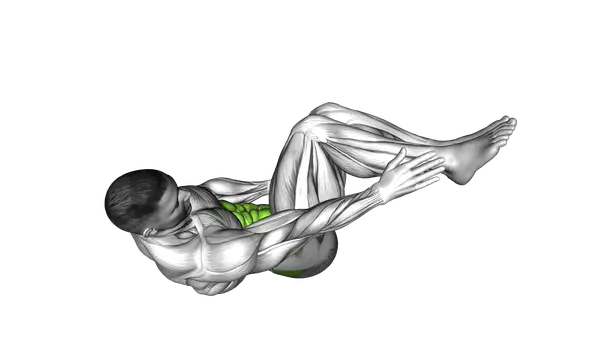
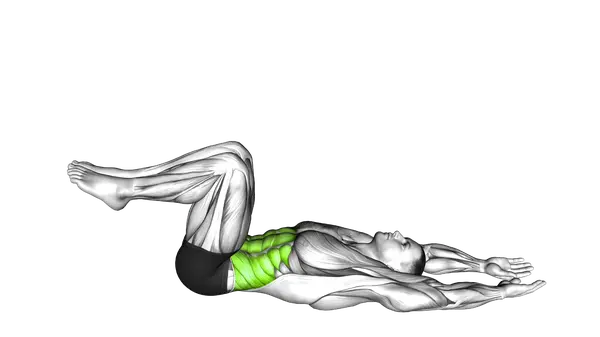
Alternative Exercises
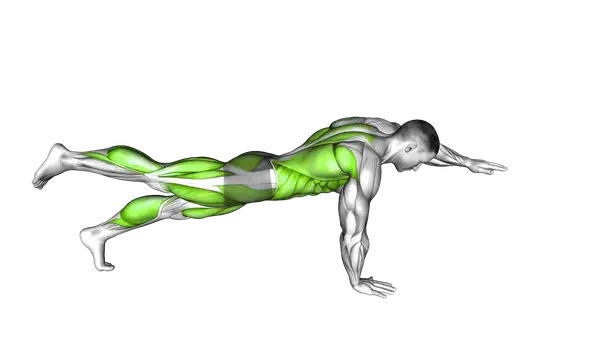
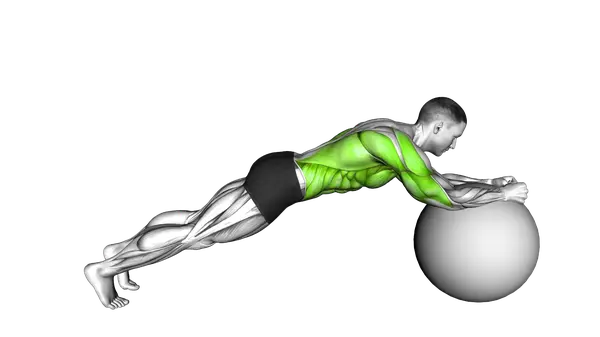
FAQ - Alternate Heel Touches
Alternate Heel Touches mainly target the obliques and rectus abdominis. The obliques help drive the side-to-side reach, while the rectus abdominis keeps the trunk flexed and the shoulders lifted off the floor. The deeper core muscles also help stabilize the movement.
Lie on your back with your knees bent and feet flat on the floor, with your arms alongside your body. Lift your head, shoulders, and upper back slightly off the floor, then reach side to side toward each heel in a controlled motion. Keep the movement focused on side bending rather than twisting, and avoid using momentum.
To make the exercise easier, reduce the range of motion and keep your shoulders lifted only slightly off the floor. To make it harder, reach farther toward each heel, slow the tempo down, or increase the total reps while keeping the movement controlled.
Alternate Heel Touches can be suitable for some people with lower back pain if the movement is performed slowly and within a comfortable range. The lower back should stay controlled against the floor, and the exercise should not cause sharp pain. If the movement increases discomfort, it is better to stop and choose a more suitable core exercise.
Alternate Heel Touches can be included 2–4 times per week, depending on your total core training volume. They work well in core circuits, warm-ups, or ab finishers, especially when the goal is trunk endurance and control.
Reviewed by

Physiotherapist
Highlights Physiotherapist at GrabGains: Brings specialized clinical expertise to verify exercise content and ensure safe, effective movement guidance across the platform. Licensed Physiotherapist: Registered in the Dutch BIG Register (BIG: 59930315504) as a…
Alternate Heel Touches
Thank you for your feedback!
Thank you for your feedback!