Exercises to build strength, thickness and pulling power
Back exercises with barbell
Barbell training is one of the most effective ways to build a stronger, thicker back. Because a barbell allows precise progressive overload, it supports long-term strength and muscle development. Back exercises with barbell target the lats, traps, rear delts, and lower back through heavy compound pulling patterns. The result is improved posture, greater pulling power, and stronger performance in full-body lifts.
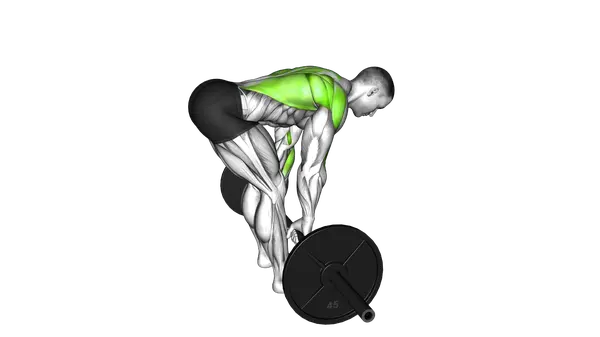
Barbell Bent Over Row
The Barbell Bent Over Row is a powerful compound exercise that builds back strength, improves posture and supports overall pulling performance.
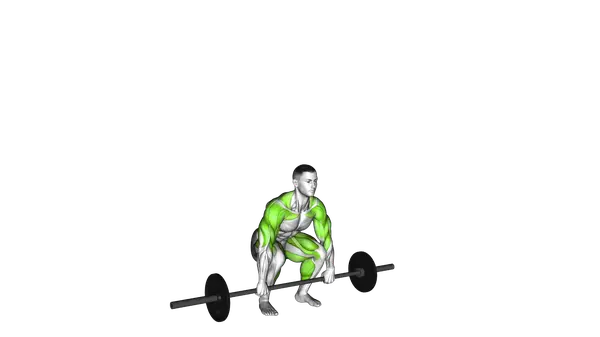
Barbell Clean And Jerk
The Barbell Clean and Jerk is an explosive full-body lift that builds power, coordination and total-body strength in one fluid movement.
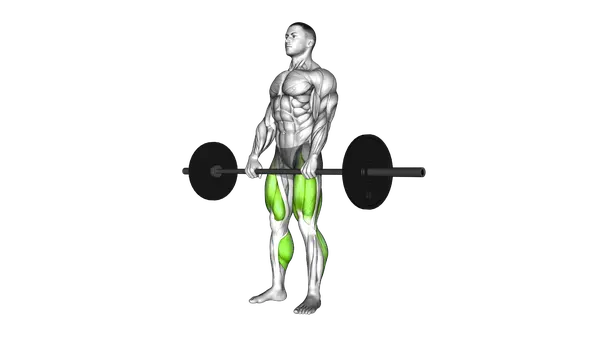
Barbell Deadlift
The Barbell Deadlift is a foundational strength exercise that builds full-body power and proper lifting mechanics and improves control.
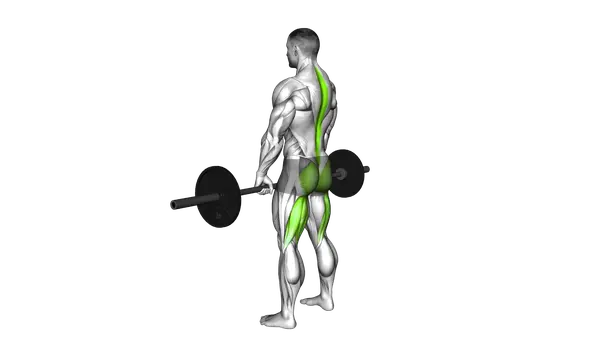
Barbell Romanian Deadlift
The Barbell Romanian Deadlift is a compound strength exercise that builds hamstring and glute strength while improving hip control.
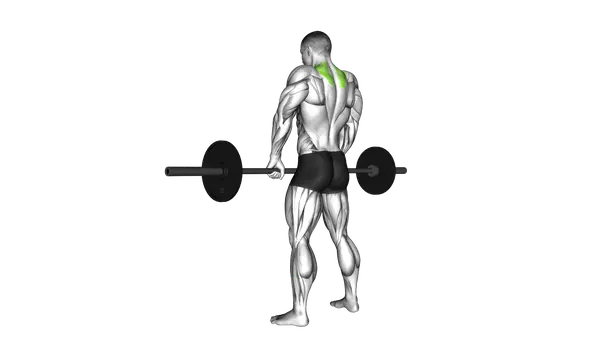
Barbell Shrug
The Barbell Shrug is a strength exercise that builds upper-back and neck strength by lifting the shoulders against a loaded barbell.
Built for Progress
Take the Guesswork Out of Training
Get a personalized workout plan built around your goal, equipment and schedule. Train smarter, track every rep and keep moving forward.
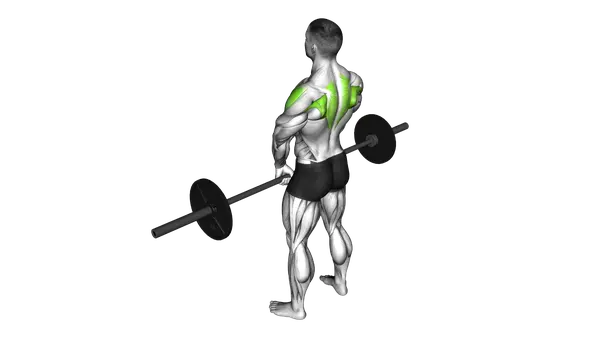
Barbell Upright Row
The Barbell Upright Row is a compound lift that builds shoulder and upper-back strength by pulling a barbell vertically along the body.
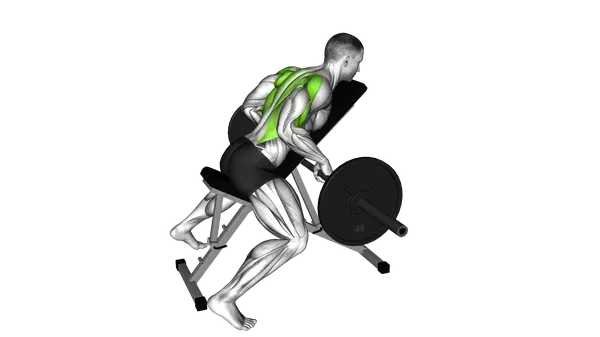
Incline Bench Barbell Row
The Incline Bench Barbell Row builds upper-back strength while reducing lower-back strain through chest-supported pulling.
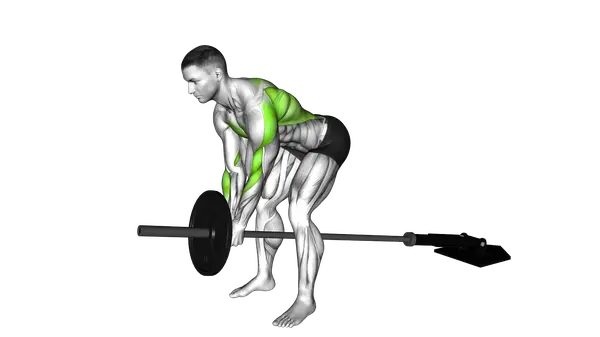
Lever Bent Over Row (Plate Loaded)
The Lever Bent Over Row is a plate-loaded back exercise that builds strength and thickness with a stable, guided pulling motion.
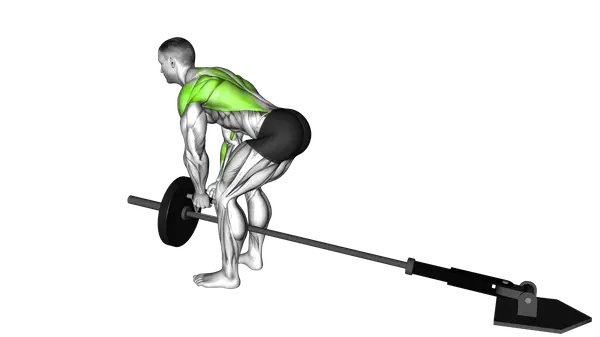
Lever Bent Over Row With V Bar (Plate Loaded)
The Lever Bent Over Row with V-Bar is a plate-loaded rowing exercise that builds back thickness with a close, controlled pulling motion.
Why barbell back work delivers reliable strength and size gains
Benefits of training back with a barbell
Barbell loading makes progressive overload simple and measurable, which is essential for strength development. Heavy movements such as the barbell deadlift and barbell bent over row create high mechanical tension across the posterior chain. This stimulates growth in the lats, traps, and spinal erectors while reinforcing trunk stability. Because these lifts recruit multiple muscle groups at once, they are time-efficient and highly transferable to other training goals. Without heavy barbell pulling, back development often plateaus, especially in overall thickness and lower-back strength.
Key benefits:
- strong overload potential
- high mechanical tension
- full posterior chain development
- improved posture and pulling strength
- efficient compound training stimulus
Matching exercise selection to your training phase
When to include barbell back exercises
Barbell back exercises can anchor strength-focused phases or support hypertrophy blocks. During strength phases, heavy deadlifts often lead the session when energy and recovery are highest. In hypertrophy phases, more rowing volume, including the incline bench barbell row, increases weekly stimulus without excessive lower-back fatigue. Beginners should focus on mastering hinge and row patterns before pushing load. Advanced lifters can alternate heavy and moderate weeks to manage fatigue and drive long-term progression.
Essential movements for strength and muscular back development
Key barbell back exercises
These barbell exercises form the foundation of effective back training. Together, they cover heavy hip hinge patterns, horizontal pulling, and upper trap development. Each movement targets a slightly different part of the back, from the lower spinal erectors to the mid-back and upper traps. By combining these exercises strategically, you create balanced posterior chain development while managing fatigue. Mastering these lifts ensures long-term progress in both strength and muscular thickness.
- Barbell deadlift: A full posterior chain lift targeting spinal erectors, traps, lats, glutes, and hamstrings. Ideal for maximal strength and total-body tension.
- Barbell bent over row: A foundational horizontal pulling exercise that builds upper-back thickness and strengthens the arms and grip.
- Barbell Romanian deadlift: A hinge variation emphasizing hamstrings and lower back under controlled tension.
- Incline bench barbell row: A chest-supported row that reduces lower-back load while targeting the mid-back and lats.
- Barbell shrug: Directly overloads the upper traps and contributes to shoulder stability and posture.
- Barbell upright row: Targets traps and shoulders and can complement upper-back development.
Exercise overview
| Exercise | Primary focus | Training goal |
|---|---|---|
| Barbell deadlift | posterior chain, traps, lower back | maximal strength |
| Barbell bent over row | lats, mid-back | strength and hypertrophy |
| Barbell Romanian deadlift | hamstrings, lower back | hinge strength and size |
| Incline bench barbell row | mid-back, lats | hypertrophy with reduced fatigue |
| Barbell shrug | upper traps | upper-back density |
| Barbell upright row | traps, shoulders | structural development |
Weekly volume, recovery, and progression strategy
How to integrate barbell back exercises
Most lifters benefit from training barbell back movements one to two times per week. Heavy hinges such as the barbell deadlift require more recovery and are often placed at the beginning of pull or full-body sessions. Row variations can be added for additional volume without the same systemic fatigue. Progression can be achieved by gradually increasing weight, total sets, or training density. Rotating strength-focused and hypertrophy-focused phases helps maintain progress while managing fatigue.
Create your personal training program in the app tailored to your goals, fitness level, and schedule. Your plan will include the most effective barbell exercises and show you exactly how to integrate them into your weekly training split.
Frequently asked questions about back exercises with barbell
Back exercises with barbell primarily target the lats, traps, rear delts, and spinal erectors. Movements such as the barbell deadlift also engage the glutes and hamstrings as part of the posterior chain. Row variations place more emphasis on mid-back thickness and lat development. Together, these exercises support complete back strength and muscular balance.
Start with a weight you can control while maintaining stable positioning and proper bracing. In exercises like the barbell bent over row, technique should come before load. Choose a resistance that feels challenging but allows consistent repetitions. Gradually increase weight once movement quality remains strong.
Prioritize progressive overload while maintaining controlled form. Combine heavy hinge movements with rowing variations to distribute stress across the back. Track your performance to ensure gradual improvements over time. Adequate recovery between sessions supports consistent strength and muscle gains.
Barbell movements can cover most strength and hypertrophy goals for the back. Compound lifts provide high mechanical tension and strong overload potential. However, machines or cables may help isolate specific areas or reduce joint stress. The barbell works best as the primary strength tool within a balanced routine.
Most lifters benefit from training the back with barbell exercises one to two times per week. Heavy hinge patterns such as the barbell deadlift require more recovery than rowing movements. Balancing intensity and total weekly volume helps prevent lower-back fatigue. Long-term consistency is more important than high frequency.
Find related pages
Explore related exercises, workouts, and routines to expand your training and reach your goals more efficiently.