Exercises to build a wider back, improve posture, and strengthen rear delts
Upper back exercises
Upper back exercises are key to building width across the shoulders, improving posture, and strengthening the rear delts for better pulling performance and shoulder health. This area supports your spine, balances pressing-heavy routines, and helps prevent shoulder injury. Whether you're an athlete or casual lifter, training the upper back improves pulling strength, shoulder control, and the overall balance of your physique, both functionally and visually.
Focus on
Pick your equipment
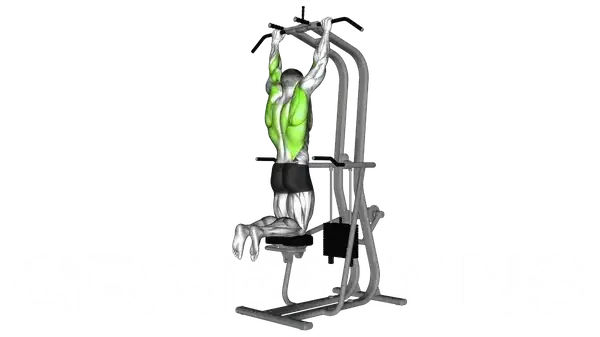
Assisted Pull-Up
The Assisted Pull-Up helps you build pulling strength by reducing bodyweight resistance, making it easier to learn proper pull-up technique and control.
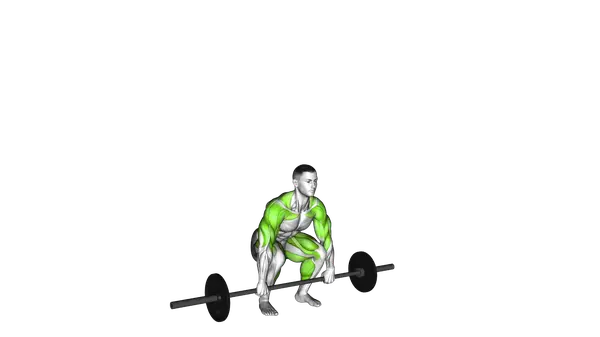
Barbell Clean And Jerk
The Barbell Clean and Jerk is an explosive full-body lift that builds power, coordination and total-body strength in one fluid movement.
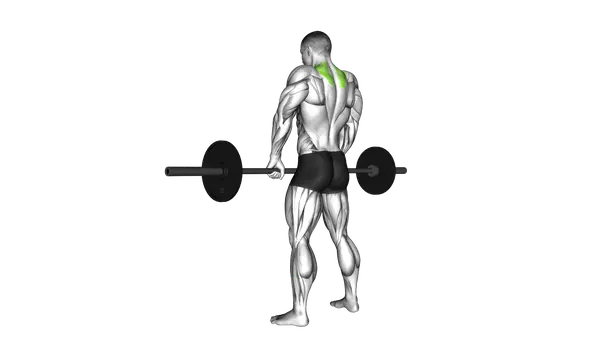
Barbell Shrug
The Barbell Shrug is a strength exercise that builds upper-back and neck strength by lifting the shoulders against a loaded barbell.
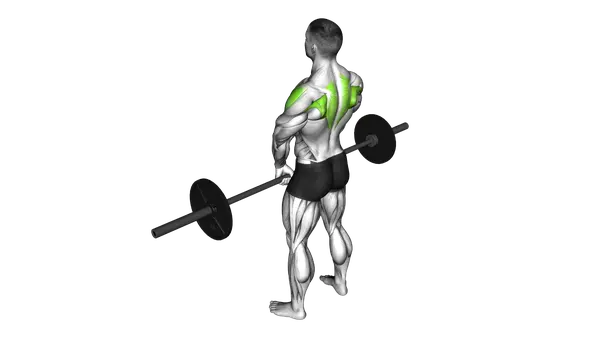
Barbell Upright Row
The Barbell Upright Row is a compound lift that builds shoulder and upper-back strength by pulling a barbell vertically along the body.
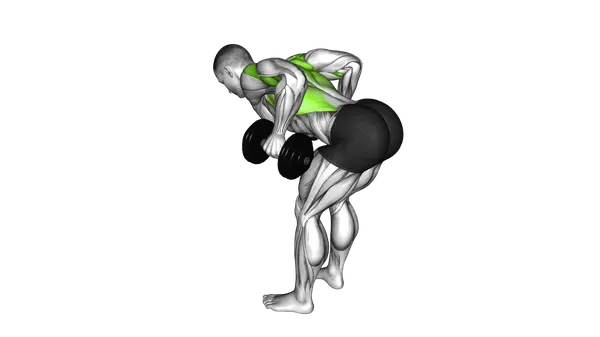
Bent Over Dumbbell Row
The Bent Over Dumbbell Row is a strength exercise that builds lat thickness and pulling strength using dumbbells in a hinged position.
Built for Progress
Take the Guesswork Out of Training
Get a personalized workout plan built around your goal, equipment and schedule. Train smarter, track every rep and keep moving forward.
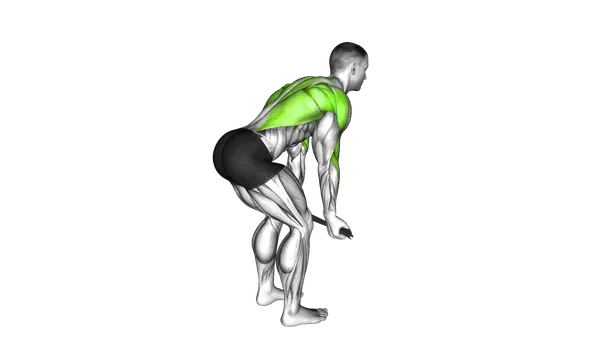
Bent Over Row With Towel
The Bent Over Row With Towel is a pulling exercise that builds upper-back strength while adding extra grip and control demand.
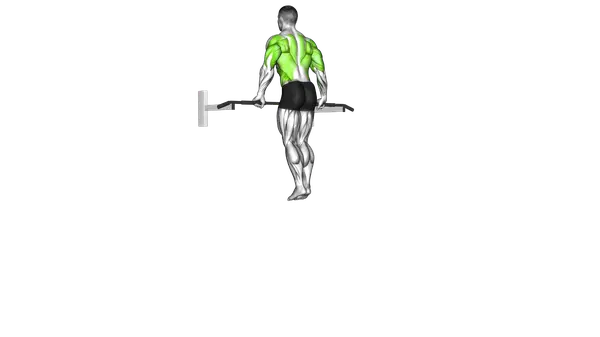
Bodyweight Muscle Up
The Bodyweight Muscle Up is an advanced bodyweight exercise that combines pulling and pressing strength to move from hang to support.
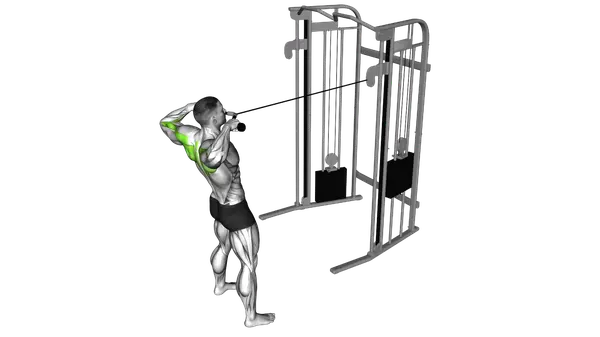
Cable Standing Face Pull (With Rope)
The Cable Standing Face Pull is a cable exercise that strengthens the upper back and shoulders while improving posture and shoulder control.
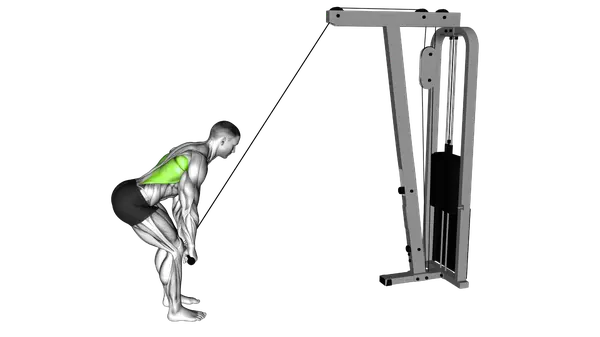
Cable Straight Arm Pulldown (Lat Prayer)
The Cable Straight Arm Pulldown (Lat Prayer) is a cable exercise that strengthens the back by pulling the arms down while keeping them straight.
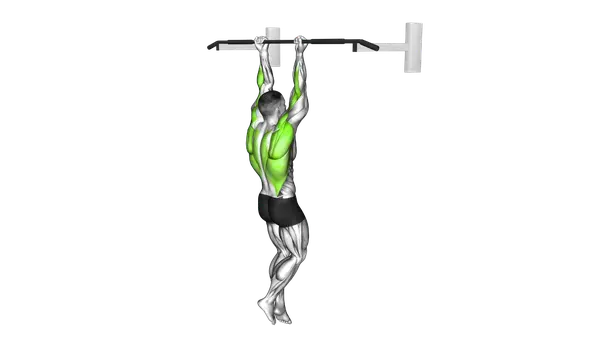
Chin-Up
The chin-up is a bodyweight pulling exercise that builds upper-back and arm strength using an underhand grip and controlled movement.
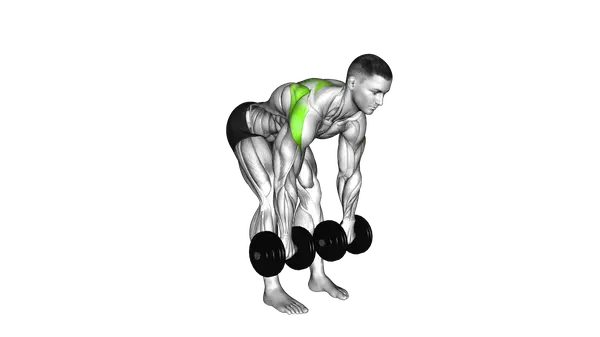
Dumbbell Bent Over Wide Row
The Dumbbell Bent Over Wide Row targets the traps and rhomboids, building upper-back thickness, posture and horizontal pulling strength.
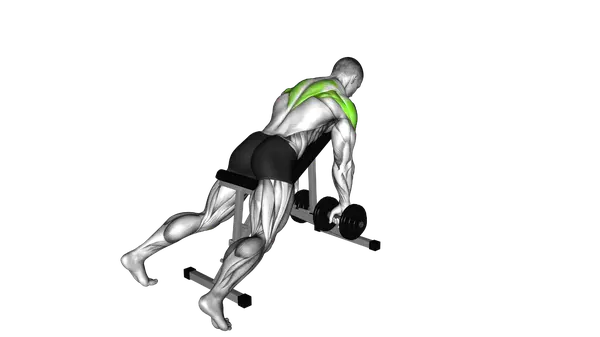
Dumbbell Incline Bench Row
The Dumbbell Incline Bench Row is a back-focused strength exercise that targets the traps and rhomboid while reducing lower-back strain.
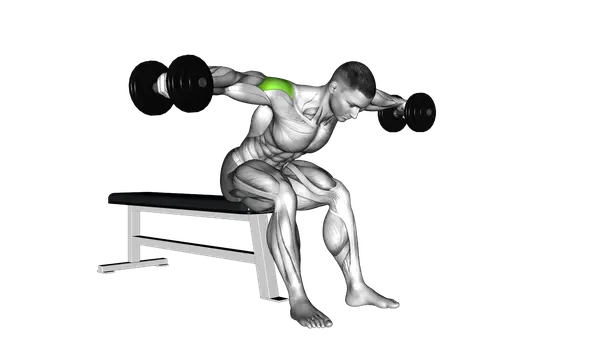
Dumbbell Rear Fly
The Dumbbell Rear Fly is an isolation exercise that strengthens the rear shoulders and upper back to improve posture and shoulder balance.
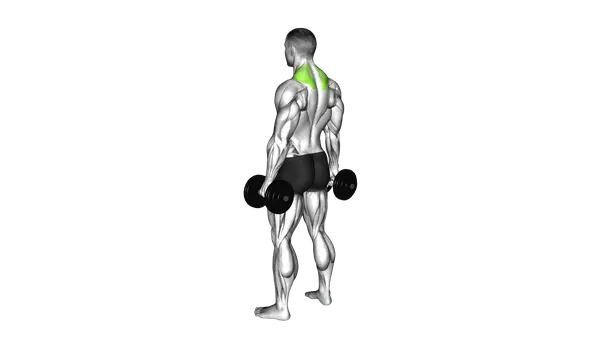
Dumbbell Shrug
The Dumbbell Shrug is a simple strength exercise that targets the upper trapezius to build neck strength, posture and shoulder stability.
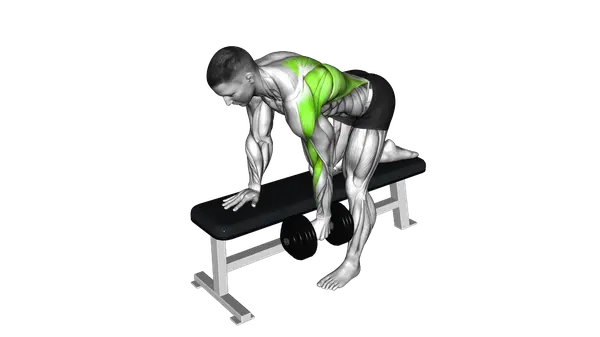
Dumbbell Single Arm Bent Over Row
The Dumbbell Single Arm Bent Over Row builds back strength and control while improving muscle balance through unilateral pulling.
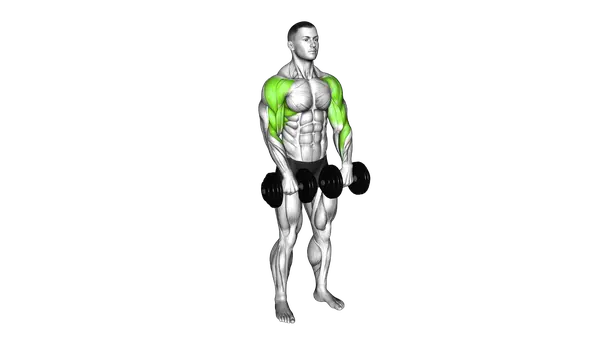
Dumbbell Upright Row
The Dumbbell Upright Row builds shoulder and upper-back strength by lifting the weights close to the body in a controlled motion.
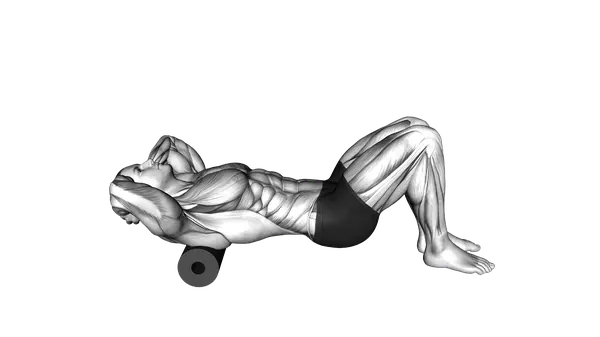
Foam Roll Upper Back
The Foam Roll Upper Back helps release tension in the upper back and shoulders, improving mobility and posture.
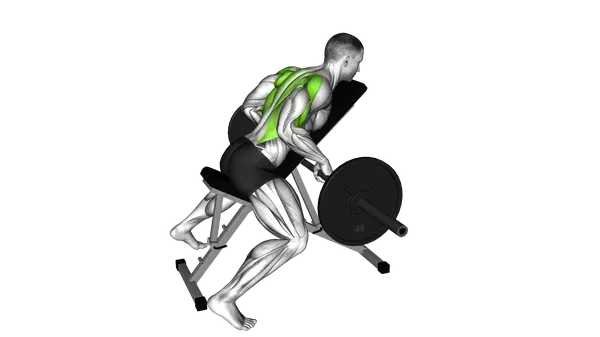
Incline Bench Barbell Row
The Incline Bench Barbell Row builds upper-back strength while reducing lower-back strain through chest-supported pulling.
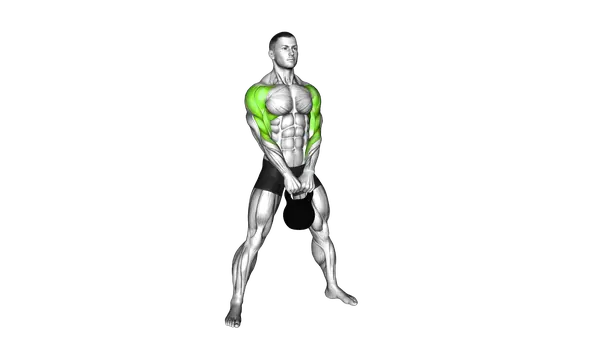
Kettlebell Upright Row
The Kettlebell Upright Row targets the shoulders and upper back, combining controlled pulling with upright posture for upper-body strength.
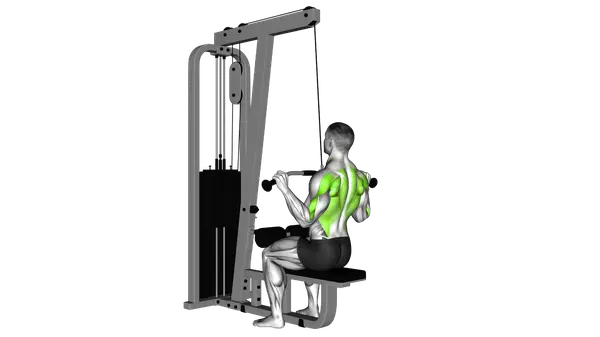
Lat Pulldown
The Lat Pulldown is a back exercise that targets the lats and upper back, building pulling strength with controlled cable resistance.
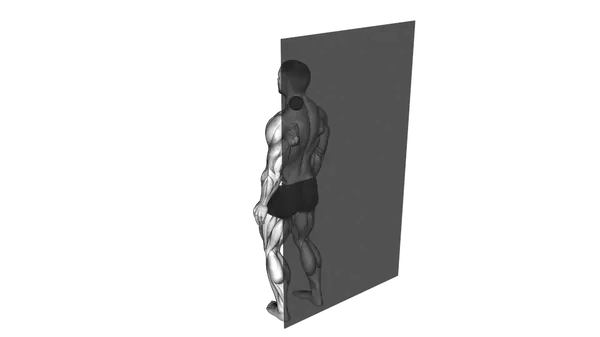
Levator Scapula Ball
Levator Scapula Ball helps release tension in the neck and upper shoulders, improving comfort and mobility around the shoulder blades.
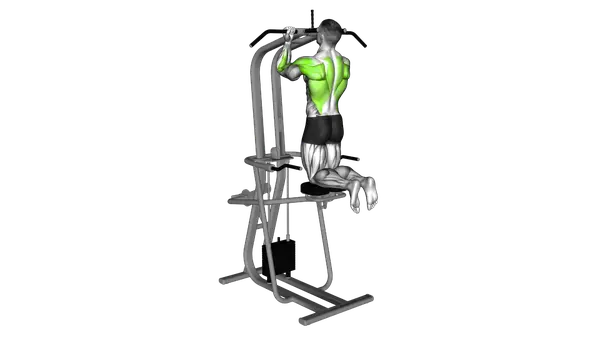
Lever Assisted Chin-Up
The Lever Assisted Chin-Up builds upper-body pulling strength while allowing controlled assistance for steady progress toward full chin-ups.
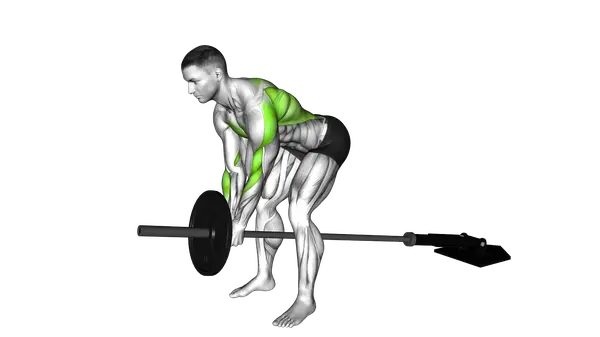
Lever Bent Over Row (Plate Loaded)
The Lever Bent Over Row is a plate-loaded back exercise that builds strength and thickness with a stable, guided pulling motion.
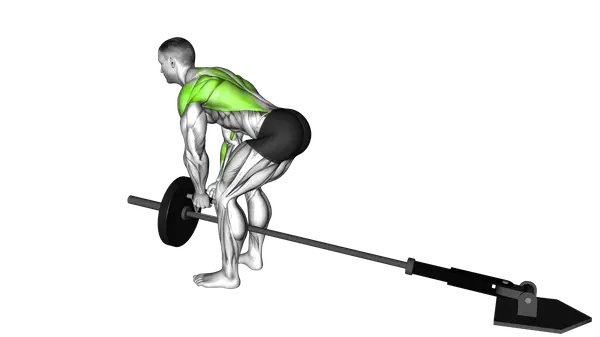
Lever Bent Over Row With V Bar (Plate Loaded)
The Lever Bent Over Row with V-Bar is a plate-loaded rowing exercise that builds back thickness with a close, controlled pulling motion.
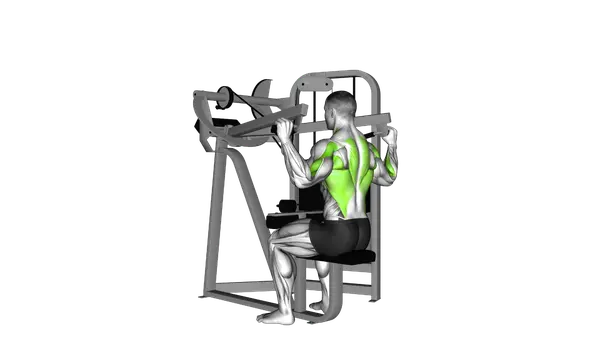
Lever Lateral Wide Pulldown
The Lever Lateral Wide Pulldown is a machine-based pulling exercise designed to build upper-back width with a wide, stable movement path.
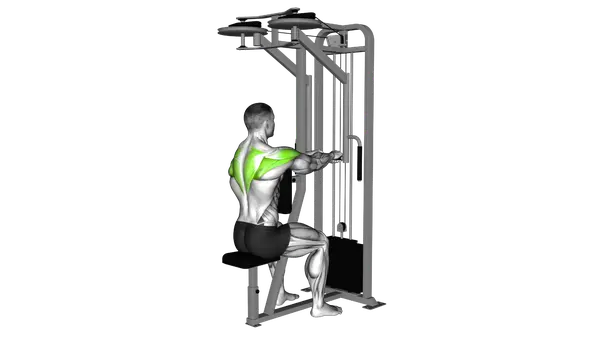
Lever Seated Reverse Fly
The Lever Seated Reverse Fly is a machine-based isolation exercise that targets the rear shoulders and upper back.
Improve posture, pulling power, and rear shoulder control
Training goals for upper back development
The goal of upper back exercises is to strengthen the muscles that retract and externally rotate your shoulders, like the traps, rhomboids, and rear delts. These muscles protect the shoulder joint, prevent forward slouching, and stabilize your upper spine. Training the upper back enhances shoulder health, pulling strength, and posture: whether you’re rowing, lifting overhead, or just sitting upright. Controlled movement, tension, and progressive overload are the key to long-term results.
Movements that build width and rear delt engagement
Best upper back exercises for strength and size
The best upper back exercises include face pulls, reverse flys, dumbbell shrugs, and band pull-aparts. Compound movements like snatch-grip rows or wide-grip pull-ups build overall width. These target the traps, rhomboids, and rear delts: essential for strong, balanced shoulders. Focus on scapular control and holding peak contractions. Rear delt-focused movements improve shoulder stability and balance pressing volume in your program.
Train with cables, dumbbells, bands, or bodyweight alone
Equipment options for training the upper back
Upper back exercises can be done with any setup. Dumbbells are great for rear delt flys and incline shrugs. Cables offer smooth tension for face pulls. Resistance bands work well for pull-aparts and reverse flys. You can even activate your upper back without weights using prone bodyweight raises or W-holds. No matter the tool, focus on squeezing the shoulder blades and moving slowly through a full range of motion.
Integrate upper back exercises into your routine
How to train for posture, shoulder health, and width
Upper back training fits into pull days, push-pull splits, or shoulder sessions. Most lifters benefit from training this area 1–2 times per week. Include both a horizontal pulling movement and an isolation rear delt or trap movement. Prioritize slow, controlled reps and full scapular movement. Upper back work not only builds width but also supports rotator cuff health and balances out high-volume pushing. Create your personal training program in the app tailored to your goals, fitness level, and schedule. Your plan will include the most effective upper back exercises and show you exactly how to integrate them into your weekly training split.
What are the best upper back exercises?
Training your upper back 1–2 times per week is enough for most people to see strength and muscle gains. It’s commonly targeted during back or pull days with exercises like face pulls, reverse flys, and rows. Because these muscles recover quickly, upper back movements can be split across multiple sessions using moderate volume. Prioritizing good posture, controlled tempo, and scapular retraction helps maximize effectiveness without overtraining. Frequency can be increased slightly if posture or rear delt development is a goal.
Overactivation of the traps usually happens when you're using momentum or poor pulling mechanics. If your shoulders shrug during rows or pulls, your upper traps take over, reducing middle and lower trap or rear delt involvement. Focusing on pulling with your elbows rather than your hands helps shift tension to the correct areas. Try lowering the weight and controlling your shoulder blades through each rep. Proper posture and technique are key to engaging the true upper back.
Upper back training targets muscles like the rear delts, upper traps, and rhomboids — responsible for posture and scapular control. Middle back training focuses more on the rhomboids, mid-traps, and spinal stabilizers, which are activated during heavier horizontal pulling. Upper back exercises often use lighter weights and emphasize shoulder blade movement, like face pulls and reverse flys. Middle back exercises rely on heavier loads and rowing patterns. Together, they create a balanced, stable upper body.
Yes, you can train your upper back at home using bodyweight and light equipment. Inverted rows (under a table or bar), reverse snow angels, and resistance band face pulls work well to activate rear delts and traps. Wall slides and band pull-aparts also help with posture and scapular stability. These exercises may not allow for heavy overload, but they’re ideal for building endurance, control, and definition. Consistency and proper form are key for visible results.
Great upper back exercises include face pulls, reverse flys, rear delt rows, and shrugs. These movements focus on scapular retraction and shoulder stability — essential for posture and shoulder health. Barbell or dumbbell rows with a high elbow path also engage the upper back effectively. Resistance band pull-aparts and Y-raises add variety and reinforce mobility. Combine high-rep isolation work with heavier compound lifts to build both strength and structure.
Find related pages
Explore related exercises, workouts, and routines to expand your training and reach your goals more efficiently.
Back exercises with equipment
Workouts & Routines
Most popular exercises
Integrate upper back exercises into full-body and split routines