Barbell Deadlift Alternatives
A substitute for the Barbell Deadlift is useful when a barbell is not available, floor loading is impractical, or a variation with different loading demands is needed. The best replacements keep the hip-hinge pattern and continue to train the glutes, hamstrings, and erector spinae. This ranking prioritizes similarity in muscle demands, movement pattern, and practical carryover.
Gepubliceerd: 2026-07-23
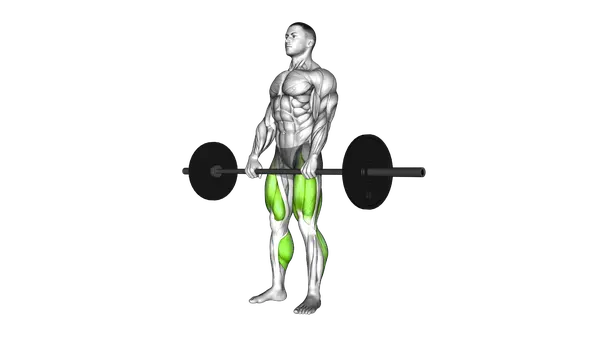
Volledige oefengids
Barbell Deadlift
Wat een goede vervanging maakt
A good substitute for the Barbell Deadlift should preserve loaded hip extension through a hip-hinge pattern and train the same primary muscles: glutes, hamstrings, and erector spinae. The closest options also keep meaningful involvement from the quads, traps, lats, and trunk while allowing progressive loading with manageable setup and joint stress.
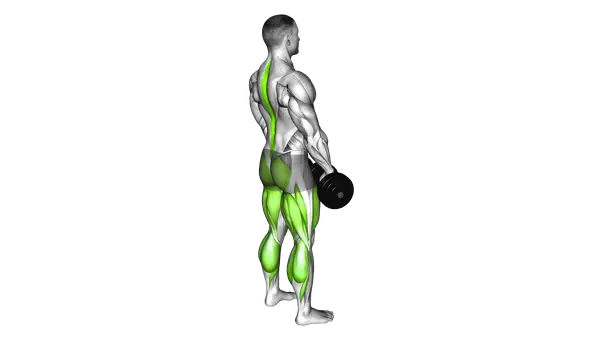
This is the closest direct substitute because it keeps the same hip-hinge pattern and the same primary muscles while changing the implement from a barbell to dumbbells. The loading is usually lighter and more limited by grip and available dumbbell weight.
Choose this when you want deadlift mechanics with less setup and more flexibility in stance and hand position. It is also useful when a barbell setup is unavailable but you still want a compound hinge that trains the glutes, hamstrings, erector spinae, quads, traps, and lats.
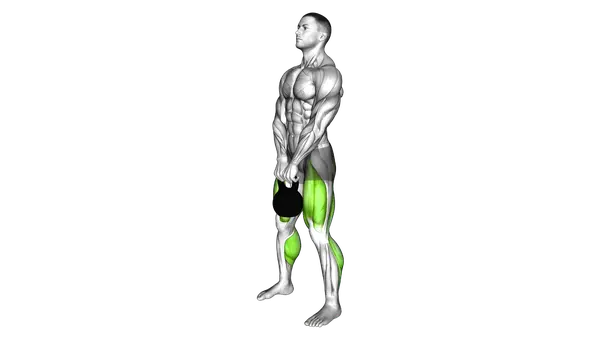
This keeps the hip-hinge pattern and the same primary muscles, with a centered load that often makes positioning simpler. The shorter range and lighter loading options can make it easier to learn while still reinforcing safe lifting mechanics.
Choose this when you need a simpler deadlift variation that still trains the full lower body and trunk. It is a strong option for home training and for lifters who want to practice hinge mechanics with less technical demand than a barbell pull.
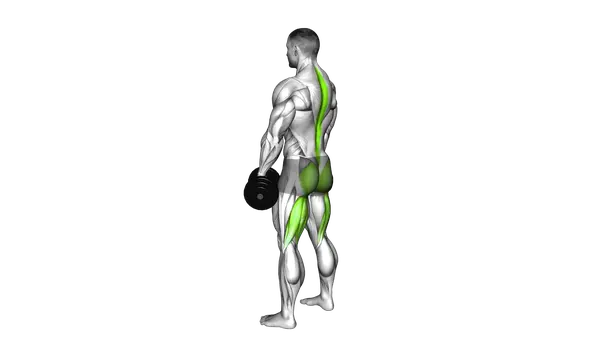
This remains a hip hinge but shifts emphasis more toward the hamstrings and glutes and less toward the quad-driven start from the floor. Because the knees stay more fixed, it reduces knee contribution and increases the eccentric demand on the posterior chain.
Choose this when the goal is posterior-chain development rather than reproducing the exact floor pull. It is especially useful when you want a deadlift-related pattern with less need for heavy loading from the ground and more focus on hamstring lengthening under load.
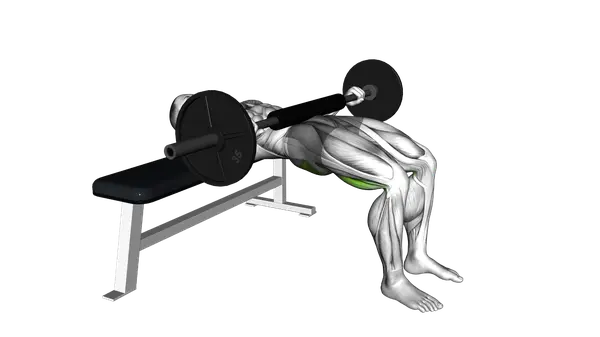
This changes the movement pattern from a hip hinge to a hip thrust, so it is not a direct mechanical match. It strongly emphasizes the glutes through loaded hip extension, and hip thrust variations are consistently effective for gluteus maximus activation and development. [1] [2]
Choose this when glute strength is the main priority and reproducing the exact deadlift pattern is less important. It can also be useful when you want to load hip extension heavily with less spinal loading than a conventional deadlift setup.
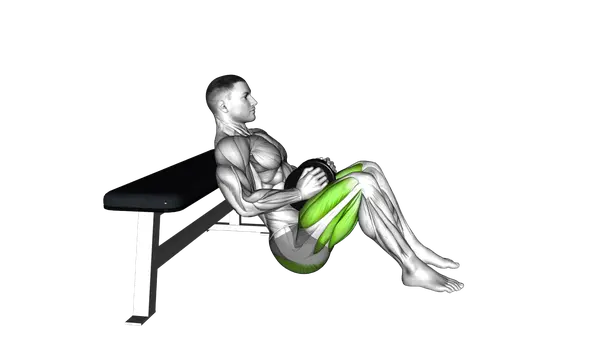
Like the barbell version, this replaces the hinge with a hip-thrust pattern and shifts the focus toward the glutes. It generally allows less total loading, but it still provides a practical glute-dominant substitute and hip thrust variations are well supported for glute activation. [1] [2]
Choose this when you need a home-friendly glute-focused alternative and only have dumbbells available. It fits well when the goal is to maintain hip extension strength without requiring a barbell or heavy floor pulls.
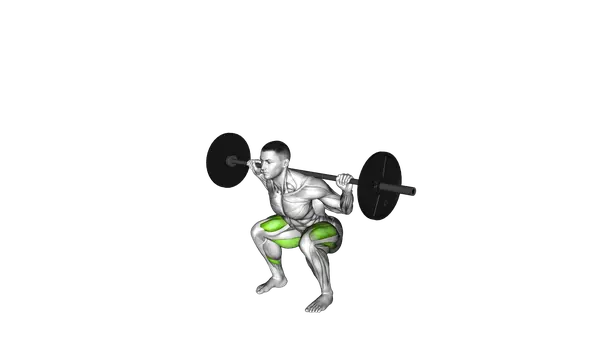
This is a compound lower-body lift, but it changes the movement pattern from a hip hinge to a squat and shifts more work toward the quads. The glutes and erector spinae still contribute, but the hamstrings are not trained in the same way as in a deadlift.
Choose this when the main objective is maintaining heavy lower-body strength and barbell loading capacity rather than matching the deadlift pattern. It is a reasonable fallback if you cannot deadlift but still want a large compound lift that trains the glutes, trunk, and legs.
Thuis trainen
The best home option is kettlebell-deadlift if available, because it preserves the deadlift pattern and primary muscle demands with simple setup. If dumbbells are available instead, dumbbell-deadlift is the closest overall home substitute.
De conclusie
The closest replacement is dumbbell-deadlift, followed by kettlebell-deadlift, because both preserve the hip-hinge pattern and the same primary muscles. Dumbbell-romanian-deadlift is the best choice when posterior-chain emphasis matters more than reproducing the floor pull. For a more glute-dominant substitute, use barbell-hip-thrust or dumbbell-hip-thrust, which are well supported for glute activation. [1] [2] Barbell-squat is the least specific option here, but it remains useful for maintaining heavy lower-body strength when deadlifting is not practical.
Wat is je fitnessdoel?
Kies er één en de app bouwt je programma daaromheen, om je materiaal en om de dagen dat je kunt trainen.
Veelgestelde vragen
Which alternative is most similar to the Barbell Deadlift?
Dumbbell-deadlift is the most similar overall. It keeps the same hip-hinge pattern and the same primary muscles while only changing the implement and usually reducing maximum loading.
Is a hip thrust a true deadlift replacement?
Not mechanically. A hip thrust trains loaded hip extension and strongly targets the glutes, but it does not reproduce the deadlift's hinge pattern or the same contribution from the hamstrings, quads, traps, and lats. [1] [2]
What is the best home-friendly option?
Kettlebell-deadlift is the best home-friendly option when a kettlebell is available because it keeps the deadlift pattern with simple setup. Dumbbell-deadlift is equally strong if you have sufficiently heavy dumbbells and want the closest overall substitute.
Wetenschappelijke bronnen
[1] Gluteus Maximus Activation during Common Strength and Hypertrophy Exercises: A Systematic Review.
Neto WK, Soares EG, Vieira TL et al. · Journal of sports science & medicine (2020)
[2] Barbell Hip Thrust, Muscular Activation and Performance: A Systematic Review.
Neto WK, Vieira TL, Gama EF · Journal of sports science & medicine (2019)
De bronnen zijn peer-reviewed academische publicaties van PubMed.